GolfDay Top 500 Public Courses

U.S. Top 25 Municipal Courses: 2022
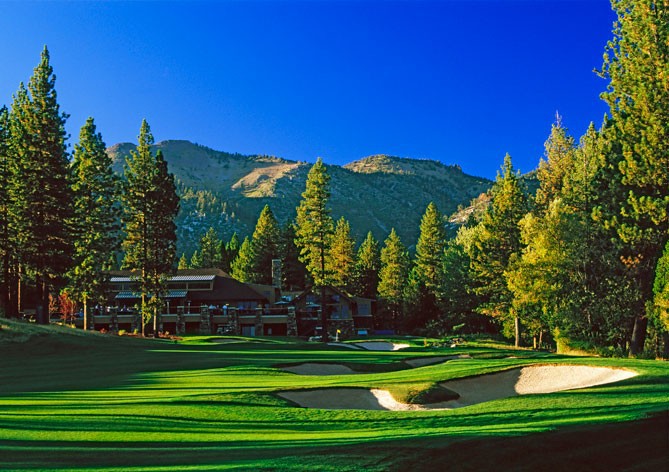
Most everybody has heard of Bethpage, Chambers Bay and Torrey Pines—renowned municipal golf courses that have hosted the U.S. Open. But there are a great many fantastic muni courses throughout the country that are not quite as well known, and offer the golfing public an unforgettable opportunity to enjoy golf at its best. Take a look at our Top-25—perhaps you have one right in your own backyard.
Here’s a look at the top 25.
- Bethpage, Farmingdale, NY
- New York State Parks
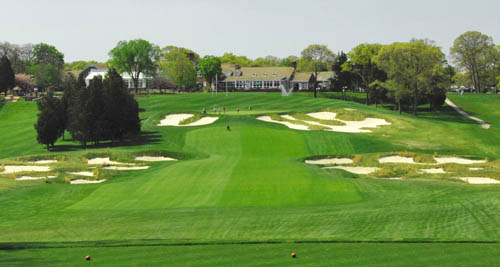
Bethpage State Park is home to the world-renowned Black course, one of the crown jewels among so many great courses designed by A. W. Tillinghast. Bethpage offers far more than just the Black course, however, with 90 holes of golf including two additional Tillinghast designs (the Red and Blue Courses), a Deveraux Emmet design (the Green Course–later remodeled by Tillinghast), and the Yellow Course (designed by Alfred Tull).
The Park originally opened in 1935, and the courses were updated over the years by Francis Duane, a native New Yorker and architect of high regard who worked with Robert Trent Jones throughout the 1940’s and 50’s.
Rees Jones (“The Open Doctor”) was asked to retore the Black Course to its former glory in preparation for the 2002 U.S Open, and he made additional updates for the 2009 Open.
The Black Course also hosted the Barclays Championship in 2012 and 2016 as well as the PGA Championship in 2019.
GolfDay Rating: 100
- Chambers Bay, University Place, WA
- Pierce County
Built on the shores of Puget Sound, Chambers Bay is a classic links course designed by Robert Trent Jones, Jr. Host to the 2010 U.S. Amateur and then the U.S. Open in 2015, Chambers Bay also offers a top-notch practice facility as well as the Chambers Bay Academy with a variety of outstanding junior golf programs.
GolfDay Rating: 100
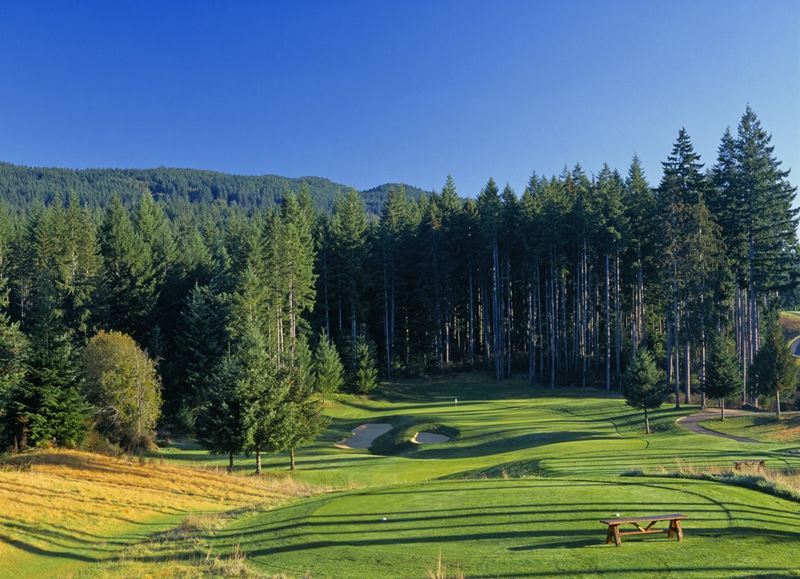
- Gold Mountain, Bremerton, WA
- City of Bremerton
When John Harbottle III passed away suddenly in 2012 at the age of 53, he left us with two wonderful course designs to remember him by, the Olympic and Cascades at Gold Mountain Golf Club. Sculpted from the magnificent terrain and majestic pines of northwestern Washington, each course is demanding yet playable, and kept in beautiful condition by course superintendent Abel Anderson.
GolfDay Rating: 100

- Torrey Pines, San Diego, CA
- City of San Diego
With breathtaking views from the cliffs above the Pacific Ocean, the North and South courses at Torrey Pines, originally designed by William F. Bell, are something special. An annual PGA tour venue with the Farmers Insurance Open, Torrey Pines also hosted the 2008 U.S. Open where Tiger Woods had one of his most memorable victories.
GolfDay Rating: 100
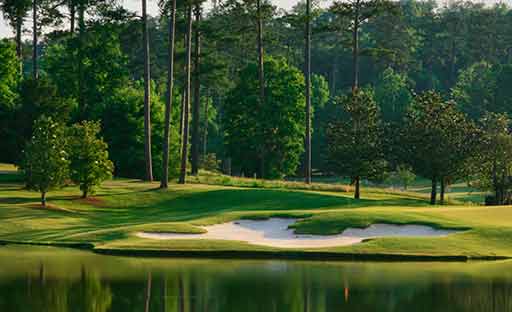
- Cambrian Ridge, Greenville, AL
- Robert Trent Jones Golf Trail
Since each of the courses at all eleven locations on the RTJ Golf Trail are outstanding, it’s hard to single out Cambrian Ridge as the best of the group—but suffice it to say that you will not be disappointed. With 3 amazing nine-hole courses (Loblolly, Sherling and Canyon) along with a terrific 9-hole par 3 track, Cambrian Ridge should be at the top of the list when you plan your trip along the Trail.
GolfDay Rating: 99.1

- TPC Scottsdale, Scottsdale, AZ
- City of Scottsdale
TPC Scottsdale offers desert golf at its finest, with two great tracks designed by Tom Weiskopf and Jay Morrish. The Stadium course is host to the Waste Management Phoenix Open each year, one of the most popular and exciting stops on the PGA Tour. When you reach the par 3 sixteenth hole you may still hear echoes of the raucous cheering from the massive “coliseum” crowd.
GolfDay Rating: 98.9

- The Highlands of Elgin, Elgin, IL
- City of Elgin
Located about an hour northwest of Chicago, this Larry Packard original design is a wonderful track. The course was updated by Ken Killian and Dick Nugent, and most recently by Keith Foster and Art Schaupeter to keep the layout current and challenging. The Highlands also offers a lighted grass driving range to hone your game in spring, summer and fall, and an indoor golf simulator for the winter chill.
GolfDay Rating: 98.8
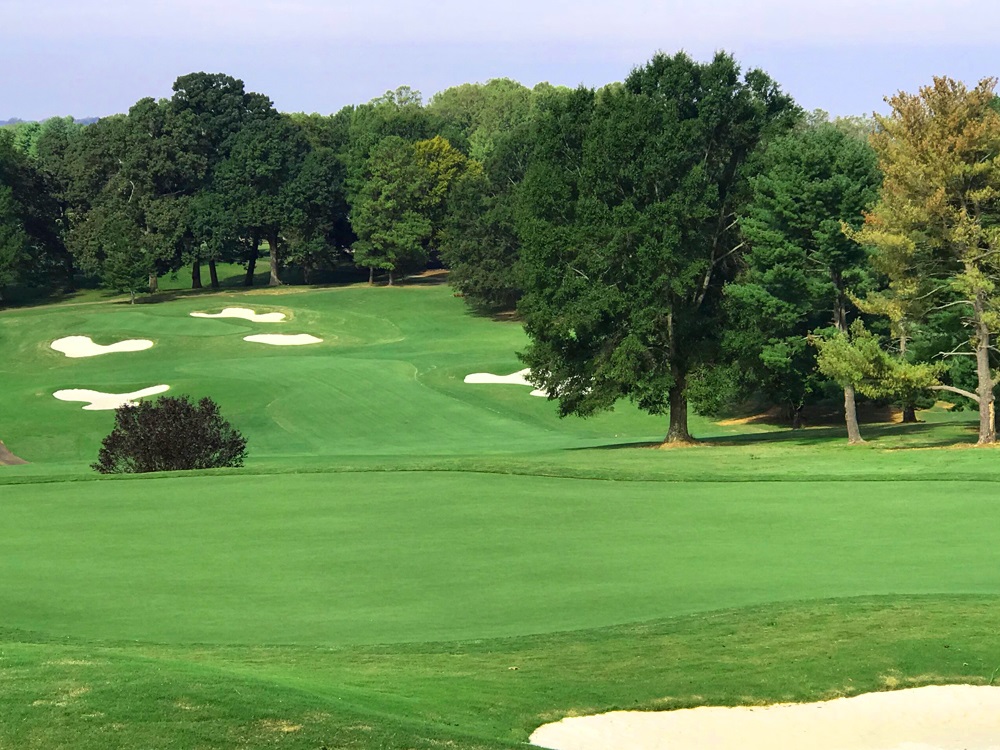
- Tanglewood Park, Clemmons, NC
- Forsyth County
Tanglewood includes two terrific Robert Trent Jones, Sr. eighteen-hole layouts (Championship and Reynolds) as well as an eighteen-hole par 3 course. The championship course was the scene of Lee Trevino’s thrilling victory over Jack Nicklaus in the 1974 PGA Championship. A lighted grass driving range and complete short-game practice facility provide a perfect place to work on your game.
GolfDay Rating: 97.9
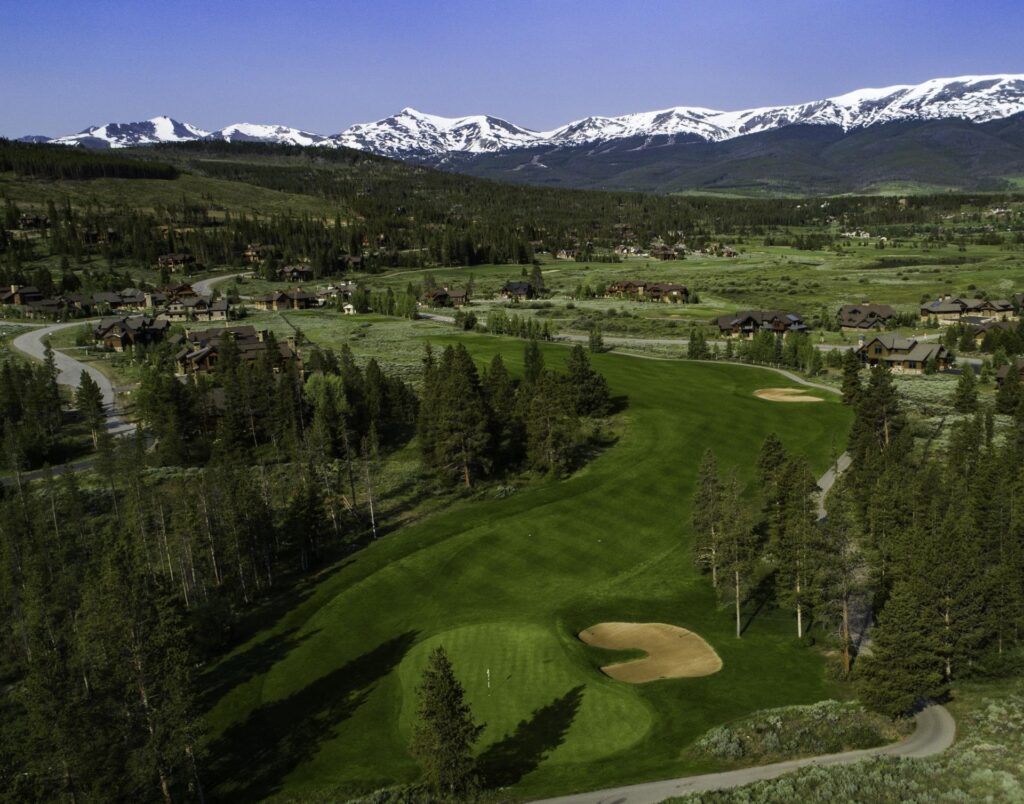
- Breckenridge Golf Club, Breckenridge, CO
- Town of Breckenridge
Whenever Jack Nicklaus designs a golf course, it’s pretty much guaranteed to be a stiff test–and Breckenridge is no exception. Three tough nine-hole courses (Beaver, Bear and Elk) with gorgeous mountain views, first rate practice facilities and a variety of Junior golf programs provide residents and visitors alike with the opportunity to experience a bit of golfing heaven.
GolfDay Rating: 97.2
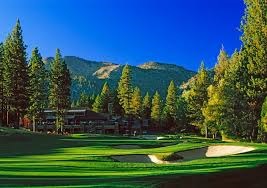
- (Tie)Incline Village, Incline Village, NV
- Incline Village and Crystal Bay/General Improvements District
Incline Village offers both an eighteen-hole championship course and eighteen -hole executive course (Mountain Course). Robert Trent Jones, Sr. did the original designs, and they have been updated by Robert Trent Jones, Jr, and Kyle Phillips, so it’s no surprise that the layouts are second to none. In addition to the great courses and beautiful views of Lake Tahoe, Incline Village also includes a Golf Academy that includes programs tailored for lady golfers and juniors.
GolfDay Rating: 97.1
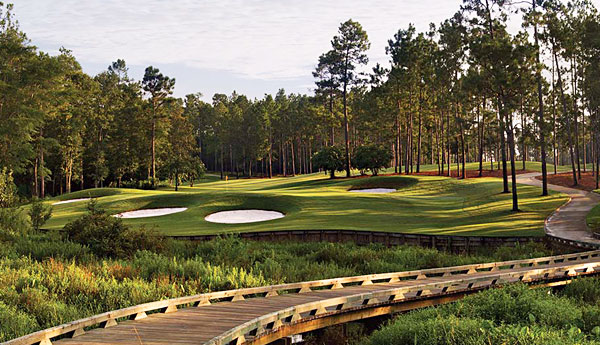
- (Tie)Magnolia Grove, Mobil, AL
- Robert Trent Jones Golf Trail
Magnolia Grove is another gem on the RTJ Golf Trail, offering 2 Eighteen Hole courses (Falls and Crossings) as well as a beautifully manicured eighteen-hole par 3 course. As with all of the RTJ courses, the practice facilities are pristine—and The Lakewood Club (another RTJ beauty in Point Clear), is not far as well.
GolfDay Rating: 97.1
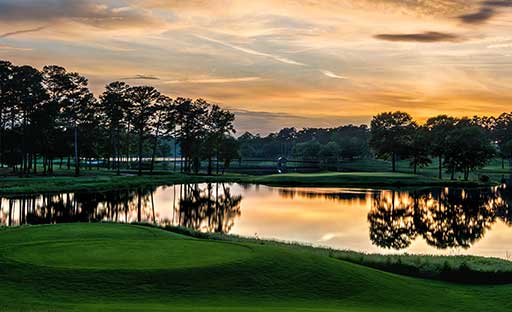
- Grand National, Opelika, AL
- Robert Trent Jones Golf Trail
The RTJ Golf Trail is the golfer’s gift that keeps on giving. Grand National includes two fantastic eighteen-hole courses (Links and Lakes) plus an eighteen-hole par 3 course, picture perfect practice facilities and accommodations at the Auburn Marriott Opelika Resort & Spa.
GolfDay Rating: 96.6
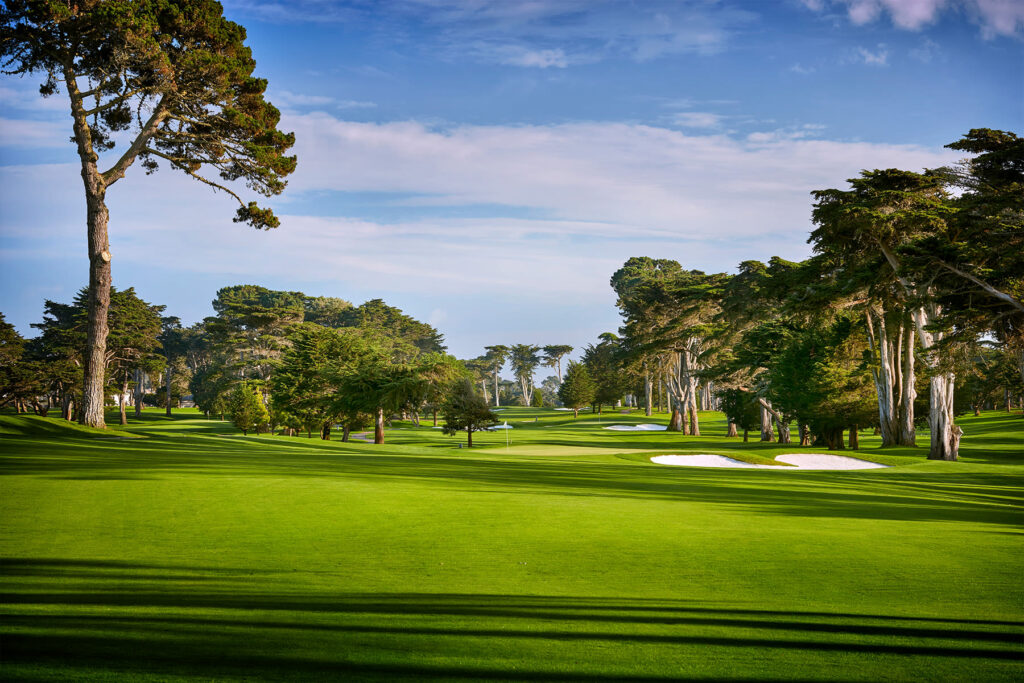
- TPC Harding Park, San Francisco, CA
- City of San Francisco
PGA Tour architect Chris Gray did a masterful job bringing the TPC course at Harding Park back to the original vision of Willie Watson, who also designed the Olympic Club and holds a special place in golf history. In addition to the TPC course, Harding Park includes “The Fleming Nine,” an executive nine-hole course designed by Jack Fleming, an outstanding course designer in his own right and one of the most important figures in the history of San Francisco golf.
TPC Harding Park hosted the PGA Championship in 2020 as well as the WGC American Express Championship (2005), WGC Match Play Championship (2015) and the Charles Schwab Cup Championship for the Champions Tour (2011-2013).
GolfDay Rating: 96.4
- Mooresville Golf Club, Mooresville, NC
- Town of Mooresville
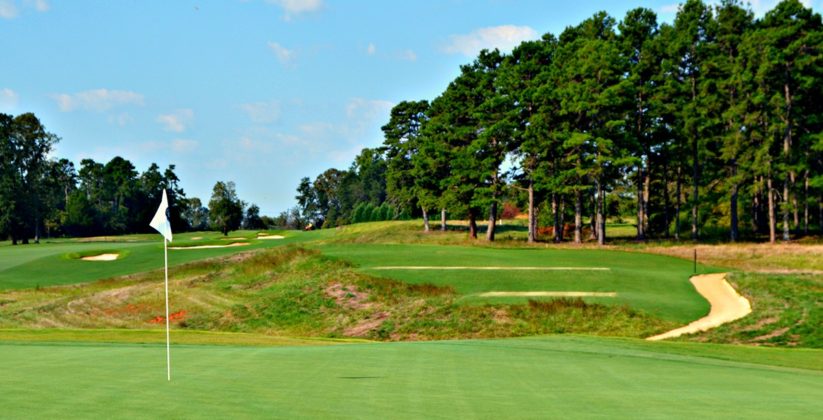
The original nine holes at Mooresville were designed by Donald Ross, with an additional nine added by J. Porter Gibson in 1978. Kris Spence remodeled and updated the course in 2016, and today the residents of Mooresville enjoy a wonderful course that is both challenging and playable. Mooresville Golf Club also offers a top-of-the line practice facility, men’s and lady’s golf leagues, and a terrific junior golf program.
GolfDay Rating: 96.0
- Oxmoor Valley, Birmingham, AL
- Robert Trent Jones Golf Trail
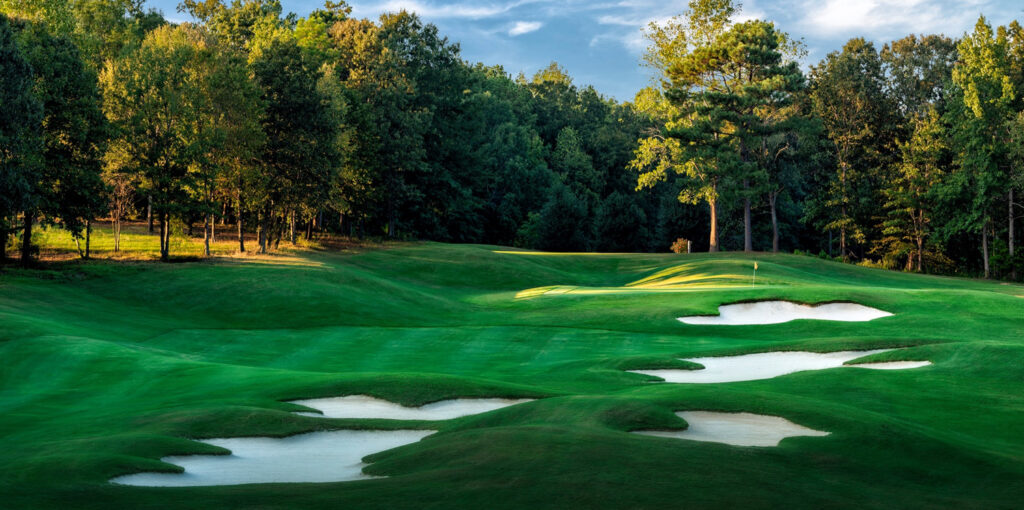
Another great pair of eighteen-hole courses on the RTJ Golf Trail (Ridge and Valley). Add to that a wonderful eighteen-hole par 3 course, outstanding practice facilities, and terrific accommodations at the near-by Renaissance Resort Hotel, and you have a perfect day on the links.
GolfDay Rating: 95.4
- Silver Lakes, Glencoe, AL
- Robert Trent Jones Golf Trail
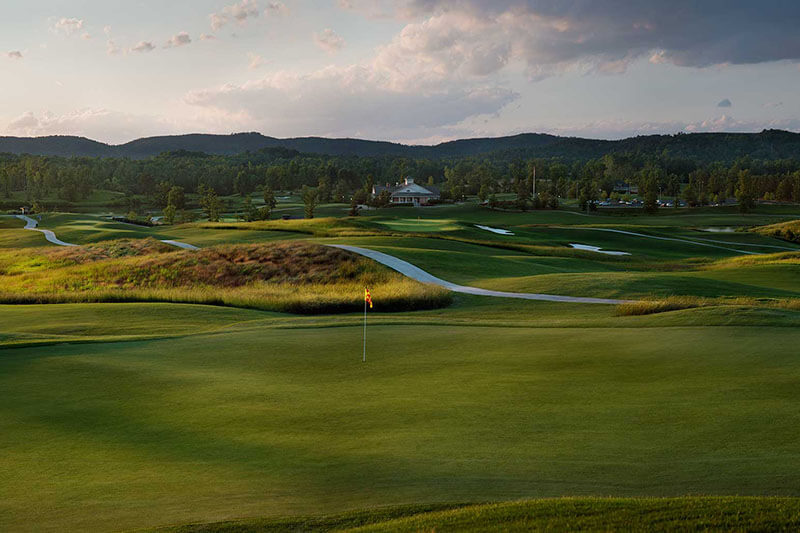
Located about 80 miles northeast of Birmingham, the 3 nine-hole courses at Silver Lakes offer a stiff test of golf (Backbreaker, Heartbreaker and Mindbreaker). You can also sharpen your short game on a nine-hole par 3 course, and work on the driver and long irons on a beautiful grass range.
GolfDay Rating: 95.0
- Capitol Hill, Prattville AL
- Robert Trent Jones Golf Trail
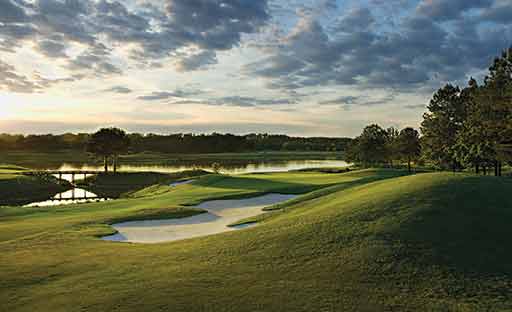
If you are enjoying a golf trip on the RTJ Golf Trail, Capitol Hill offers first rate accommodations at the Montgomery Marriott Prattville Hotel & Conference Center. Of course, the golf is shear perfection as well, with 3 demanding 9-hole courses (Judge, Legislator and Senator).
GolfDay Rating: 94.9
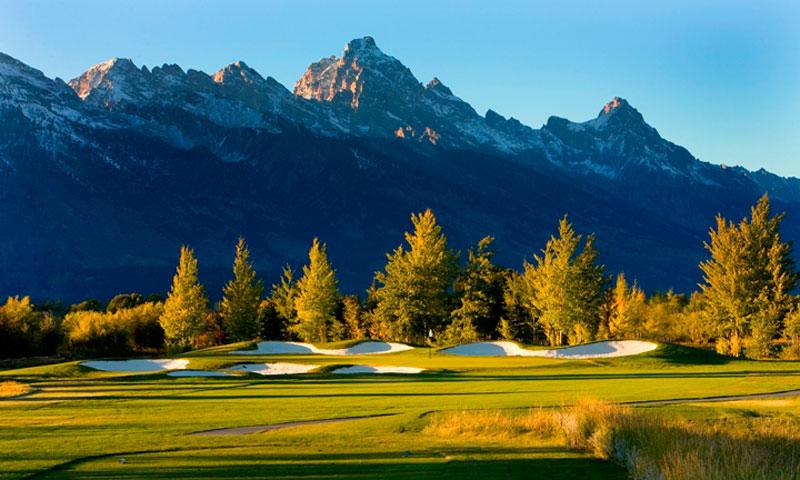
- (Tie) Jackson Hole Golf & Tennis Club, Jackson, WY
- Grand Teton National Park
Gorgeous views, roaming wildlife and a perfect golf course—what could be better. Bob Baldock originally designed the course back in 1961, Robert Trent Jones, Sr. made revisions and updates in 1974, and Robert Trent Jones, Jr. added the finishing touches in 2007. Accommodations include the Jackson Lake Lodge as well as a wonderful RV Park.
GolfDay Rating: 94.8
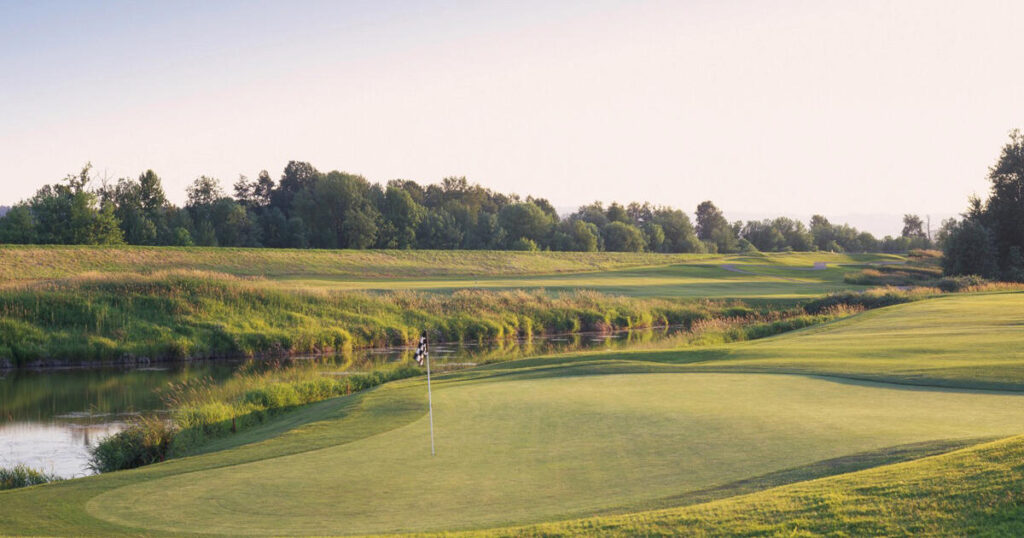
- (Tie) Heron Lakes, Portland, OR
- City of Portland
Robert Trent Jones, Sr. and Robert Trent Jones, Jr. collaborated on two wonderful eighteen-hole tracks at Heron Lakes (Greenback and Great Blue). Located along the Columbia River just outside of downtown Portland, Heron Lakes also offers a Ladies Golf Association, junior golf camps and first-rate practice facilities.
GolfDay Rating: 94.8
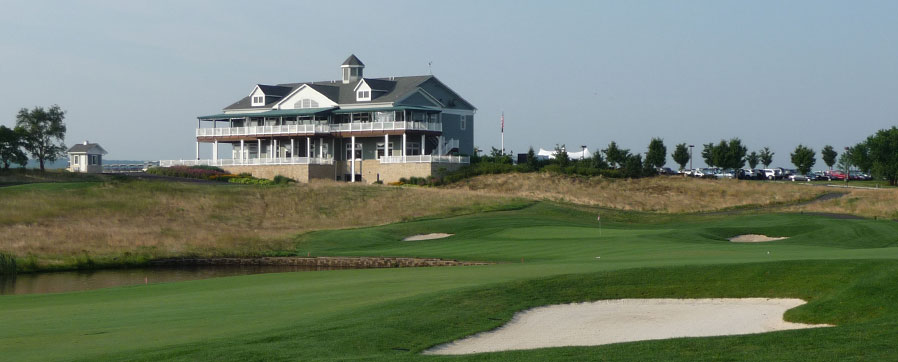
- Neshanic Valley Golf Course, Branchville, NJ
- Somerset County
When Michael Hurdzan and Dana Fry completed these wonderful 27 holes in the farmlands of western New Jersey, their next project was Erin Hills, a true masterpiece and site of the 2017 U.S. Open. In addition to three splendid 9-hole courses, Neshanic offers a 9-hole executive “Academy” course as well as a grass driving range, putting and chipping greens with bunkers and 2 additional practice holes.
GolfDay Rating: 94.7
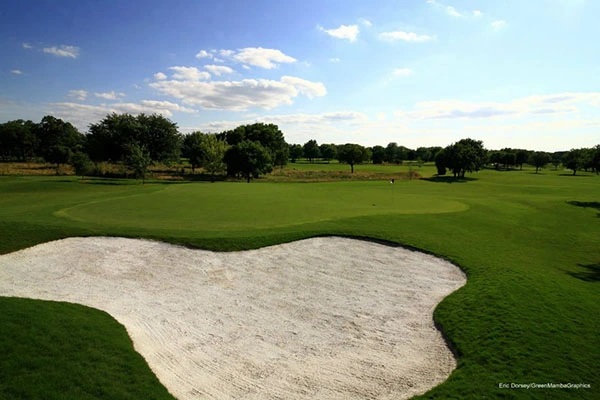
- Pecan Hollow Golf Course, Plano, TX
- City of Plano
Billy Martindale and Don January laid out Pecan Hollow back in 1973 and the course was remodeled and updated in 2010 by D.A. Weibring and Steve Wolford. In addition to a terrific eighteen-hole course, Pecan Hollow also includes a 5-hole par 3 course, lighted grass driving range and junior golf academy.
GolfDay Rating: 94.4
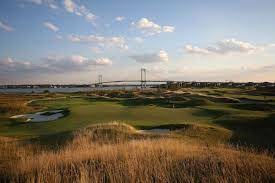
- Trump Golf Links-Ferry Point, Bronx, NY
- City of New York
Jack designed another stiff test of golf, this time complete with beautiful views of the Manhattan skyline for residents of New York and visitors alike. Ferry Point also offers a manicured driving range and short game facility that’s as good as it gets, along with being home to the Michael Breed Golf Academy.
GolfDay Rating: 94.3
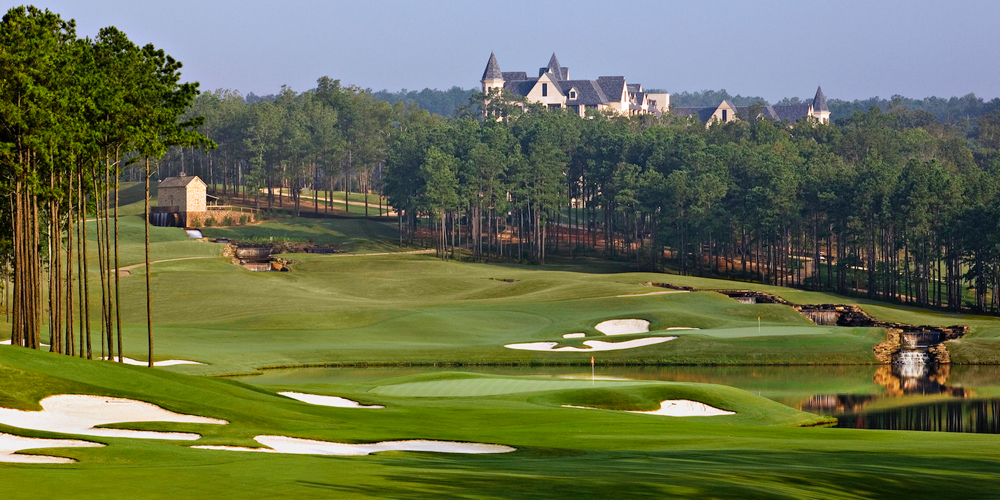
- Ross Bridge, Hoover, AL
- Robert Trent Jones Golf Trail
Ross Bridge is the seventh location on the RTJ Golf Trail that we’ve included among the top 25 municipal golf facilities in the country (and they all could easily be listed). While Ross Bridge opened for play in 2005 after Robert Trent Jones passed away, Roger Rulewich and Bobby Vaughn created a masterpiece in his honor. In the addition to the fabulous eighteen hole course, the practice facilities are first class and wonderful accommodations are available at the Renaissance Birmingham Ross Bridge Resort & Spa.
GolfDay Rating: 94.2

- Chaska Town Course, Chaska, MN
- City of Chaska
Only ten minutes from Hazeltine National (host of the 1970 and 1991 U.S. Opens as well as the PGA Championship in ’02 and ’09), Chaska Town Course is one of the finest municipal facilities in the country. Featuring an 18-hole championship course designed by Arthur Hills and a wonderful Robert Trent Jones, Sr. executive layout, Chaska also offers a complete practice facility and variety of junior golf programs.
GolfDay Rating: 93.9
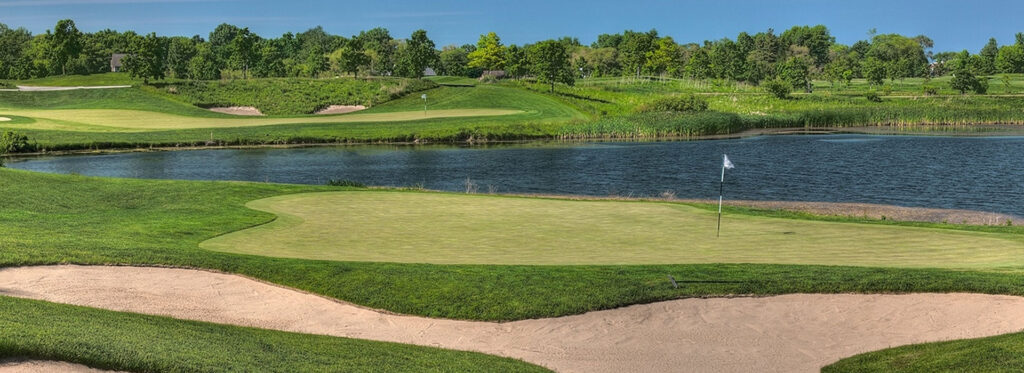
- Thunderhawk Golf Club, Beach Park, IL
- Lake County Forest Preserve
Illinois boasts some of the best public golf in the country, and Thunderhawk is right at the top. Robert Trent Jones, Jr. designed another masterpiece, and the residents of Beach Park are lucky indeed. Along with the great eighteen-hole layout, the practice facilities are superb and the scenery is beautiful (Thunderhawk is recognized by the Audubon Society as a Signature Sanctuary Course).
GolfDay Rating: 93.9

- (Tie) Heatherwoode Golf Club, Springboro, OH
- City of Springboro
Denis Griffiths created the terrific layout at Heatherwoode in 1991, including a comprehensive practice facility that includes a grass range with target greens, putting and chipping greens with bunkers, and an indoor golf simulator with club fitting for when the snow begins to fly.
GolfDay Rating: 93.9
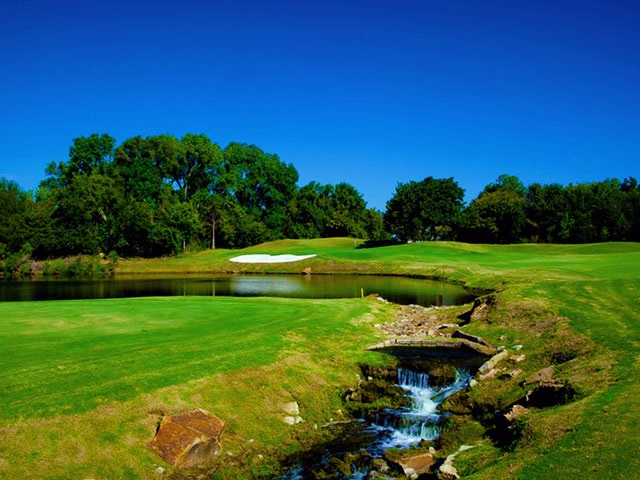
- (Tie) Texas Star Golf Course, Euless, TX
- City of Euless
Only minutes from Dallas-Forth Airport and less than an hour from downtown Dallas, Texas Star is a challenging Keith Foster masterpiece that will keep you coming back. If you were under the impression that Texas courses are pretty much flat, the Star will dispel that notion immediately with elevation changes throughout the course, tall trees and picture postcard scenery. Texas Star also offers top-notch practice facilities, including a grass driving range, putting and chipping greens and bunker.
GolfDay Rating: 93.8

- (Tie) Cherokee Run Golf Club, Conyers, GA
- City of Conyers
Cherokee Run was designed by Arnold Palmer and Ed Seay, opening for play in 1995. The magnificent eighteen-hole layout was carved among tall Georgia pines, and offers a strong test of golf with a course rating of 74.5 and a slope of 144. Cherokee Run also features first rate practice facilities, including a grass range with targets and complete short game facilities.
GolfDay Rating: 93.8
Scottie and Rory: PGA Tour’s Best in 2022
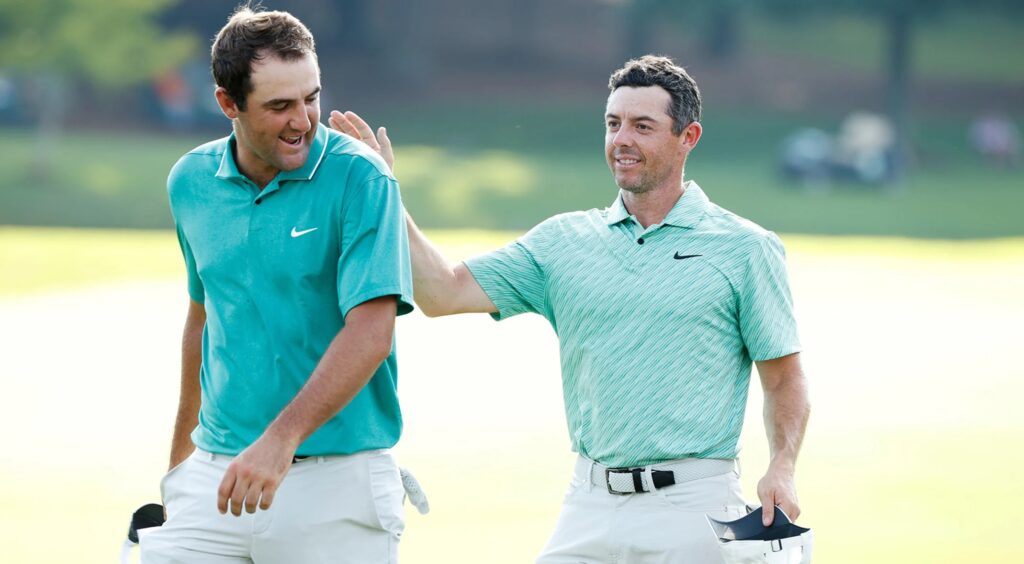
Scottie Scheffler took home the Jack Nicklaus award as PGA Tour Player of the Year for 2022, and it was certainly well deserved after such a fantastic season—but it was definately not a “slam dunk” as some are saying. When you take a close look at the season Rory McIlroy put together, you pretty much need a razor blade to separate them.
The Majors
Scheffler’s win at The Masters was a brilliant performance, but keep in mind that Rory finished runner-up at Augusta with a magnificent final round 64 (a shot off the lowest rounds ever recorded at The Masters—63 by Nick Price in ’86 and again by Greg Norman in ’96).
Scottie also had a superb run at the 2022 U.S. Open, finishing a shot behind Matthew Fitzpatrick for runner-up. But remember that Rory was also among the leaders at The Country Club on Sunday afternoon, finishing with a T5.
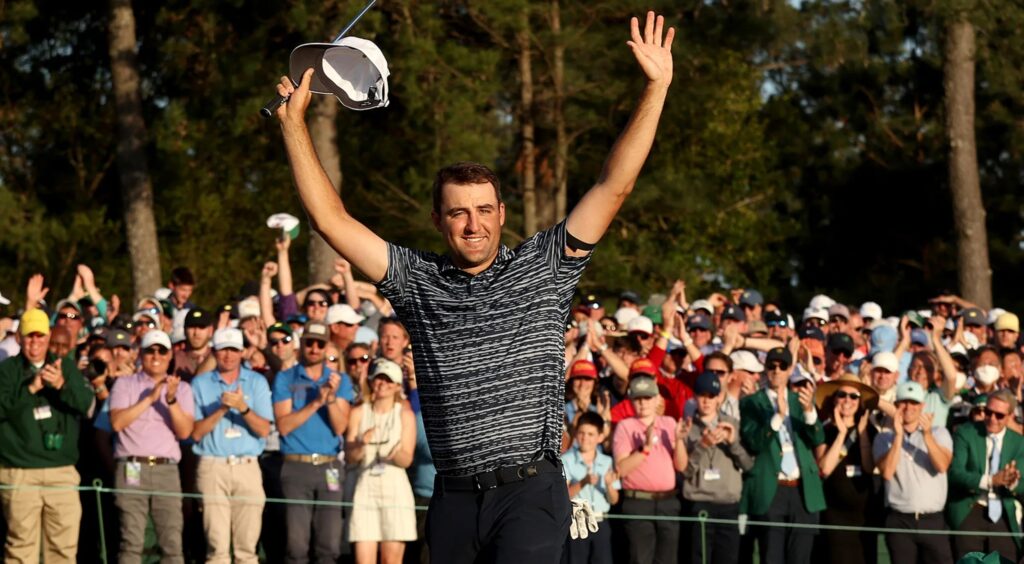
And while Scottie missed the cut at the PGA Championship, and was outside the top 20 at The Open Championship, Rory recorded a Top 10 at the PGA (8th) and finished 3rd at The Open.
In 16 rounds at the major championships in 2022, Rory recorded 9 rounds under 70 with a scoring average of 69.2, while Scottie recorded 7 rounds under 70 with a scoring average of 69.7.
Although Rory was unable to record a major win in 2022, finishing in the top 10 at all four majors is a rarely accomplished feat. Tiger did it in 2000 when he recorded a T5 at The Masters and then won the other 3 major championships. Jack did it 3 times (1971, 1973, 1974), Brooks Koepka did it in his fantastic 2019 season (win at the PGA, 2nd at the U.S. Open, T2 at The Masters and a T4 at The Open Championship) and Rickie Fowler recorded Top-5 finishes at all four majors in 2014 (including runner-up at the U.S. Open and The Open Championship).
Scottie gets the edge with a major win and a runner-up, but Rory had one of the most outstanding major championship seasons on record—so it’s pretty darn close.
The Tour Season
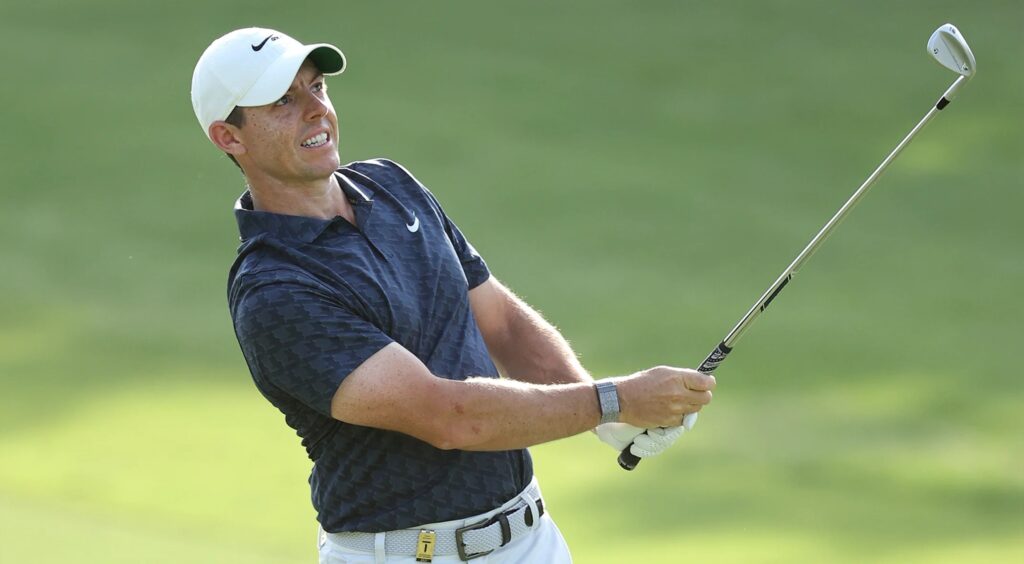
In addition to his Masters win, Scheffler recorded 3 regular tour wins (including the WGC Match Play Championship). McIlroy also recorded 3 regular season wins, including the Tour Championship. Rory made the cut in 14 of the 16 events he played in 2022 (88%) and recorded 10 Top 10 finishes (63%), while Scottie made the cut in 21 of 25 events (84%) with 11 Top-10’s (44%).
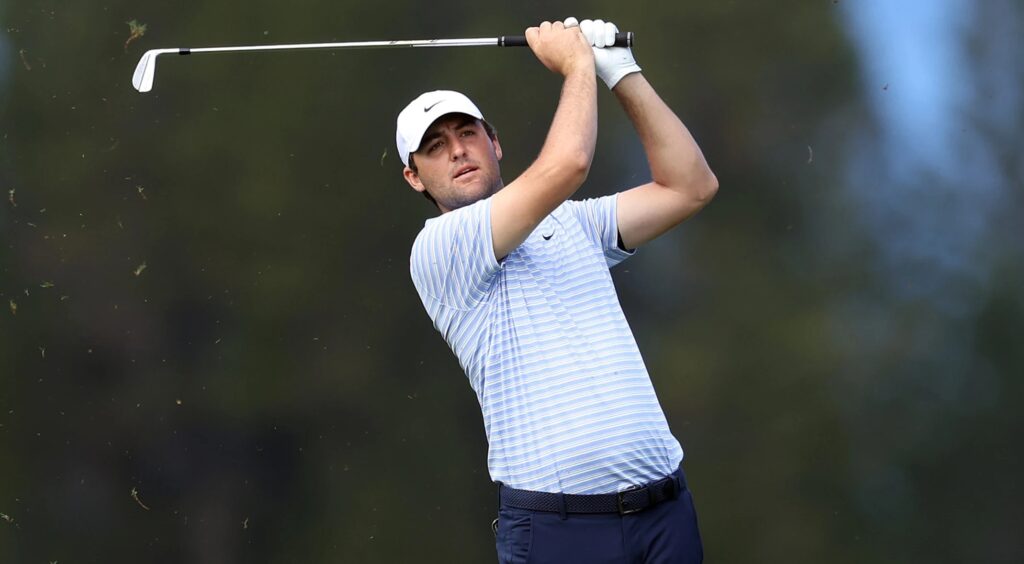
From a performance standpoint, Rory led the Tour in scoring average at 68.7 and he was 2nd in driving distance at 321.3. Scottie was fourth in scoring average at 69.3 and 19th in driving distance at 311.6—but Scheffler was #1 in greens in regulation (72.3%) while Rory was #12 at 69.9 %.
Scheffler also recorded 3 regular season runner-up finishes—a T2 at the Houston Open, 2nd at the Charles Schwab Challenge and a T2 at the Tour Championship).
Both Scottie and Rory had phenomenal regular seasons on Tour, and from the numbers it looks pretty much like a flat-footed tie.
The FedEx Cup
Scottie Scheffler was No. 1 in the FedEx Cup standings going into the Tour Championship, so under the new format he began the tournament at -10, six shots ahead of Rory who was No. 7 and began at -4.
Scheffler and McIlroy played flawless golf through the first 3 rounds, and both were -13 going into Sunday’s final round—but Scottie still held a six-shot advantage due to the FedEx standings adjustment (Scheffler was -23 and Rory was at -17).
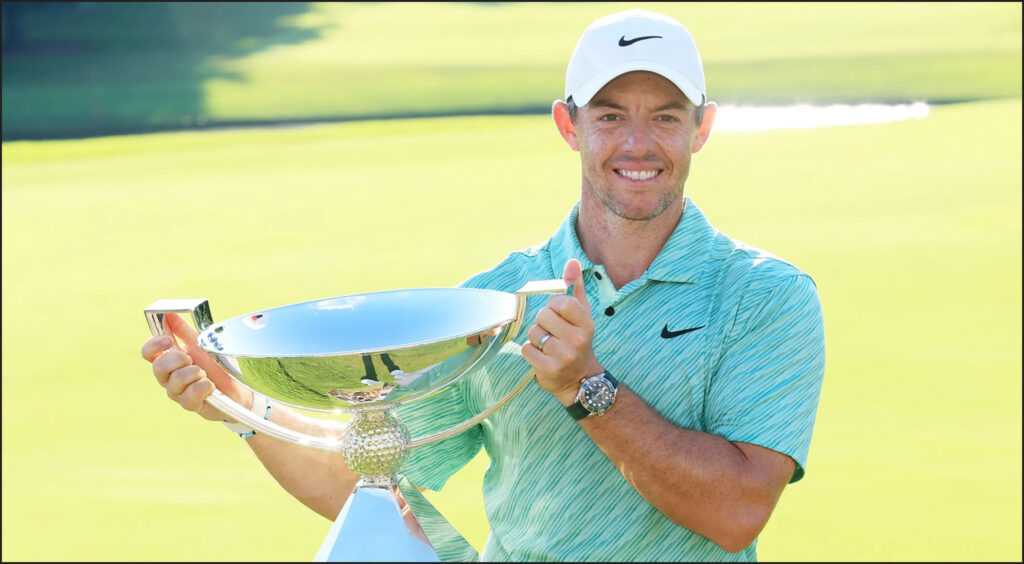
Although Rory wasn’t able to put four fantastic rounds together at any of the 2022 major championships, he put the hammer down at the Tour Championship and fired a closing 66 to finish at -17 (21 under total with the adjustment). When Scheffler faltered with a final round 73 (20 under total), McIlroy had erased the massive deficit to take the championship—and also the FedEx Cup for a record third time.
The Wrap Up
Scottie Scheffler had a great year in 2022, and he will be a force to reckon with on the PGA Tour for many years to come. His win at The Masters, strong showing at the U.S. Open, and consistent performance throughout the year make it hard to argue with his choice as Player of the Year.
With his impressive comeback victory at the Tour Championship and third FedEx Cup, however, McIlroy closed the gap with Scottie to a photo finish—and most certainly not a Scheffler “slam dunk” as some are saying.
Rory played only 16 events on the PGA Tour in 2022 (he also played 2 on the DP World Tour, finishing 3rd at the Dubai Desert Classic and runner-up at the BMW PGA Championship), while Scottie played 25 Tour events, and that also moves the needle a bit more toward Scheffler—but we think Rory edged him by a nose with his third FedEx Cup.
One thing is for sure, the 2022-2023 PGA Tour season (and major championships) are going to be pretty exciting with Scottie and Rory going head-to-head.
When you put Jon Rahm, Justin Thomas, Collin Morikawa, Xander Schauffele, Patrick Cantley, Matthew Fitzpatrick, Jordan Spieth and Tony Finau into the mix, and then top it off with young stars like Sungjae Im, Cameron Young, Will Zalatoris and Victor Hoveland—2023 is shaping up to be one heck of a year on the PGA Tour.
Major Comebacks: The Top 10
https://www.golfdigest.com/
https://www.golfchannel.com/
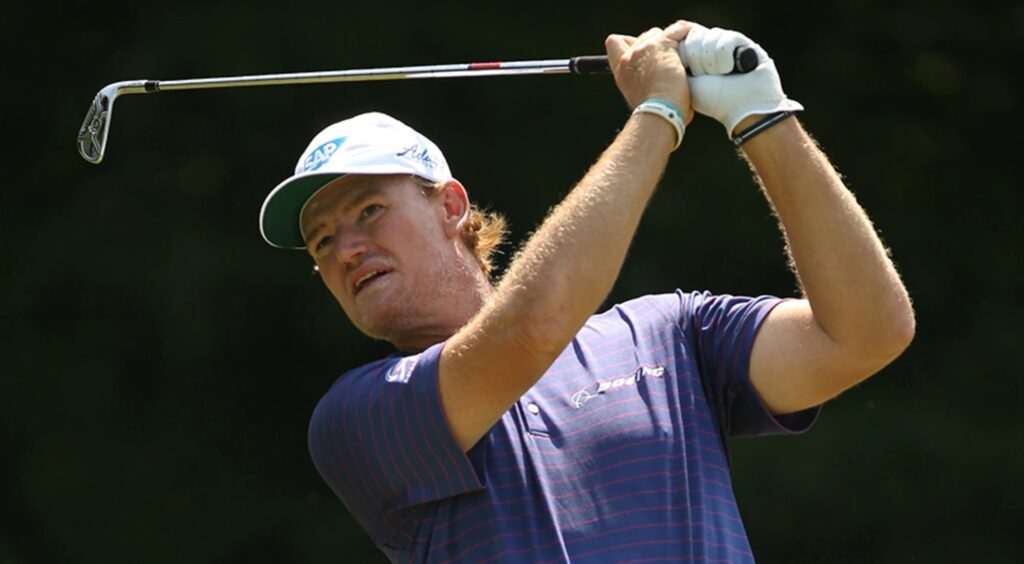
Number 10: 2012 Open Championship– Ernie Els
Ernie Els was 42 years old back in 2012, and it had been ten years since he won The Open in 2002. He had missed the cut in 3 of the 4 major championships in 2011, with only a single Top 10 finish on the PGA Tour in 21 starts. And although Els recorded 5 consecutive Top-10’s at Augusta National from 2000 through 2005 (including 2 runner-up finishes), he had dropped out of the top 50 in the World Golf Rankings, and The Masters Committee declined to offer him a special exemption—so he missed the Masters for the first time in 17 years.
As the sting of missing The Masters receded, Ernie’s game began to get in gear with a runner-up at the Zurich Classic of New Orleans in late April, and he started looking very much like the Els of old with a Top 10 at the U.S. Open in June at the Olympic Club.
The 2012 Open was played at Royal Lytham & St. Annes Golf Club, and Ernie got off to a solid start with a 67 in the first round—but Adam Scott fired a brilliant 64 and he was 3 shots off the lead. Els continued to play well in the second and third rounds to stand at 5 under, but Adam was playing even better, and as the final round got under way on Sunday Scott had opened up a 6-shot lead.
It didn’t get any better for Ernie through the first 9 on Sunday as he posted a 2 over 37, including a bogey at the ninth, and Scott’s lead remained at 6 shots going to the back—with seemingly little hope that Els would lift the Claret Jug for a second time.
Although Ernie got hot and birdied 3 out of the first 5 holes on the back nine, he still trailed Scott by 4 with only 4 holes to play. But anything can happen down the stretch at an Open Championship.
Scott struggled on the closing holes, finishing with 4 consecutive bogies to finish at 6 under. Els made par at 15, 16 and 17, and then hammered a perfect tee shot down the middle on the last. After a crisp wedge that came down 20 feet from the pin, Ernie drilled the putt for birdie to shoot 31 on the back and a 68, posting 7 under to become the 2012 Champion Golfer in one of the greatest comeback victories of all time.
Number 9: 1995 PGA Championship– Steve Elkington
Seventeen years before his dramatic comeback victory at The Open, Ernie Els began the final round of the 1995 PGA Championship at Riviera Country Club with a 3 shot lead over Mark O’Meara and Jeff Maggert, 5 shots over Colin Montgomerie, and a 6 shot margin over Steve Elkington and Craig Stadler.
Ernie was at the top of his game in 1995, having recorded 4 major Top-10’s and a U.S. Open title between 1992 and 1994. The only player among the leaders with a major victory was Craig Stadler, and his win at The Masters had come almost twenty years earlier in 1976—so it seemed inevitable that Els would raise the Wanamaker Trophy when play concluded on Sunday.
Steve Elkington, however, was on a mission. With perhaps the greatest swing of all-time, Elk was at the top of his game with a T5 at Augusta in April and a T6 at The Open Championship in July. And although he was again battling the severe sinus problems that plagued him throughout his career, Elkington knocked down stick after stick on Sunday to post a magnificent final round 64—overcoming a 6 shot deficit to finish in a tie with Montgomerie at 17 under par.
When his birdie putt dropped on the first playoff hole, Elkington had won the PGA Championship—and completed one of the greatest comebacks in history.
Number 8: 2013 Open Championship– Phil Mickelson
Phil had suffered yet another devastating U.S. Open loss at Marion in June, his sixth runner-up finish at the championship he so much wanted to win, so it seemed unlikely that Lefty could bounce back and make a serious run at the Claret Jug in July.
Mickelson, however, continued to push by sharpening his links game while winning the Scottish Open in the week leading up to The Open Championship at Muirfield.
While Phil got off to a good start with a 69 in the first round, he disappeared from the leader board completely with a second round 74—so it seemed highly unlikely that lefty would make The Open his 5th major championship. Muirfield was proving a tough test, however, and Phil fought his way back with a solid 72 in the third round, but still found himself 5 shots off the pace set by leader Lee Westwood heading into the final round.
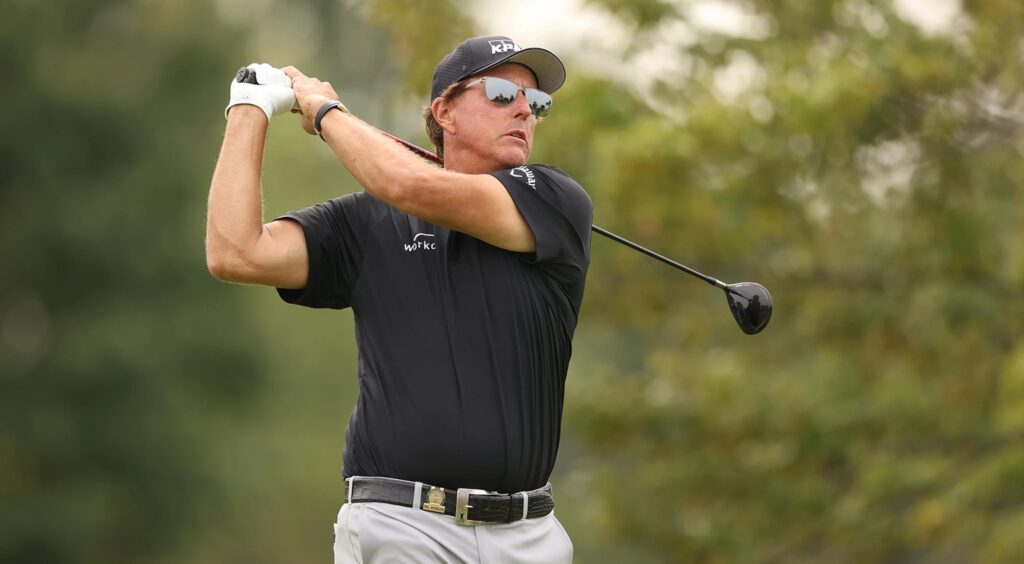
As the wind started to blow on Sunday, Phil uncharacteristically went to his 3 wood and fashioned a masterful closing round 66 to finish at 3 under par—one of the greatest performances of his illustrious career. And when Westwood faltered with a closing 75, and the other players at the top of the leaderboard succumbed to the weather, Phil won going away with a 3 shot victory in one of the most memorable comebacks in major championship history.
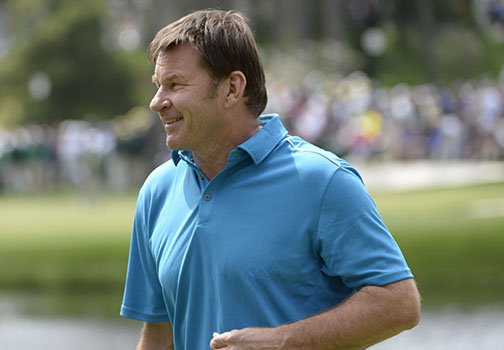
Number 7: 1996 Masters– Nick Faldo
In the fifteen Masters championships Norman had played heading to August National in 1996, Greg had recorded 2 runner-up finishes, 2 third place finishes, 2 top-5’s and a top 10. And when he opened with a dominating 63 in the first round, it appeared that 1996 would be the year that Norman would slip the green jacket over his shoulders at last.
Norman continued to play solid golf on Friday and Saturday, posting rounds of 69 and 71 for a 54-hole total of 13 under and a commanding 6-shot lead over Nick Faldo going to Sunday.
With his customary laser focus, Faldo applied the pressure in the final round by posting 2 under on the front nine as Norman began to disintegrate with 3 bogeys and a lone birdie—a 4 shot swing that left Faldo only 2 behind going to the back nine.
While Norman imploded completely with 41 on the back, Faldo kept his foot firmly on the gas with a 33 on the closing nine, a final round 67, and a 5 shot victory. Most remember the 1996 Masters for Norman’s colossal collapse, but Faldo’s magnificent final round was stunning—and one of the all-time comebacks in major championship history.
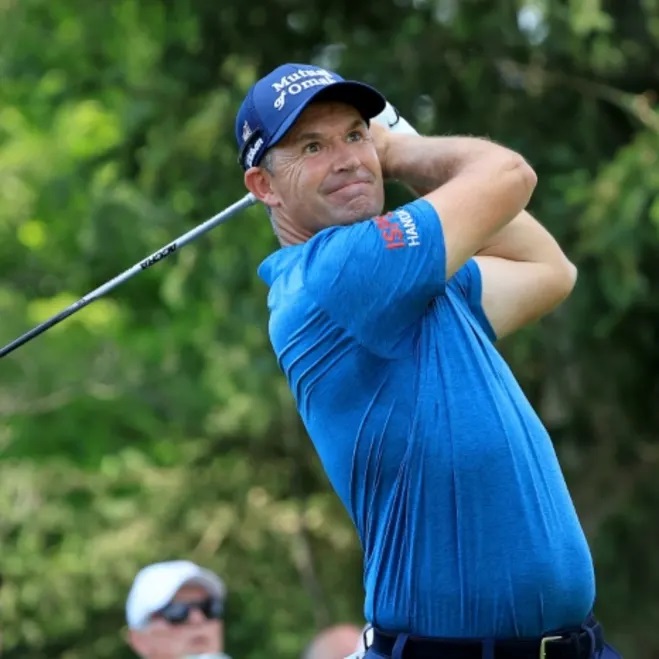
Number 6: 2007 Open Championship– Padraig Harrington
Sergio Garcia fired a sizzling opening round 65 in pursuit of his first major championship at Carnoustie Golf Links in the 2007 Open Championship, jumping out to a 2 shot lead over Irishman Paul McGinley. At 27 years old, Garcia had recorded 12 major Top-10’s in his career without a win, and it was looking like this would be the week when he finally broke through.
Sergio increased his lead through 54 holes with rounds of 71 and 68 on Friday and Saturday as he climbed to 9 under par going into the final round on Sunday—and it seemed he would just need to hold off Steve Stricker, who had pulled within 3 shots with a brilliant 64 on Saturday.
With all eyes focused on Garcia and Stricker, another Irishman, Padraig Harrington, who had begun the day six shots back at 3 under, slowly began creeping up the leaderboard with birdies on the 3rd, 6th and 9th holes. Meanwhile, Garcia began to stumble with 3 bogeys and a birdie on the front, so his lead had shriveled to a single shot over Harrington.
When Padraig made birdie at 11 and then eagle at 14, he moved to 9 under par and the outright lead. At the 18th hole, however, it suddenly appeared that Padraig’s gutsy charge had come to an end when his approach found the water—resulting in a disastrous double that dropped him once again to a shot back of Sergio’s lead.
Garcia, however, was unable to make par at 18, and his bogey gave Harrington a reprieve as they both finished at 7 under par and headed to a 4-hole playoff.
Padraig made the most of it, playing the extra holes in even par to defeat Sergio by a shot— completing.one of the most exciting finishes (and greatest comebacks) in major championship history.
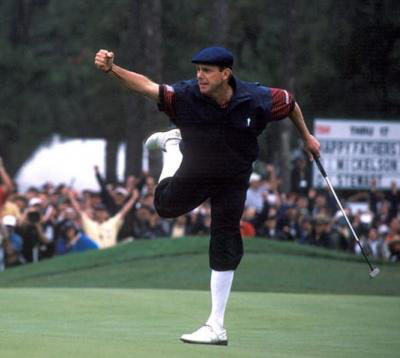
Number 5: 1989 PGA Championship– Payne Stewart
Payne Stewart opened the 1989 PGA Championship at Kemper Lakes Golf Club with a 74, 8 shots behind Mike Reid, who fired a flawless round of 66. And although Stewart came back strong in the second round with a 66 of his own, he picked up only a single shot as Reid followed up with another great round of 67.
Reid began to back up a bit with a 70 in the third round on Saturday, but again Stewart picked up only one shot while recording a solid round of 69, so Payne found himself six shots back of the lead going into Sunday. On top of that, there were four major champions on the leaderboard between he and Reid (Craig Stadler, Seve Ballesteros, Ian Woosnam, and reigning back-to-back U.S. Open champion Curtis Strange).
Having recorded 10 Top-10’s in his previous 17 major championships and coming up empty, Stewart refused to be denied once again. After playing the front nine at even par, Payne birdied 5 holes on the back without a bogey for 67, a tounamnet toal of -12, the first of his 3 major championship wins, and a comeback victory that continues to bring a smile to the face of everyone who witnessed his magnificent performance all those years ago.
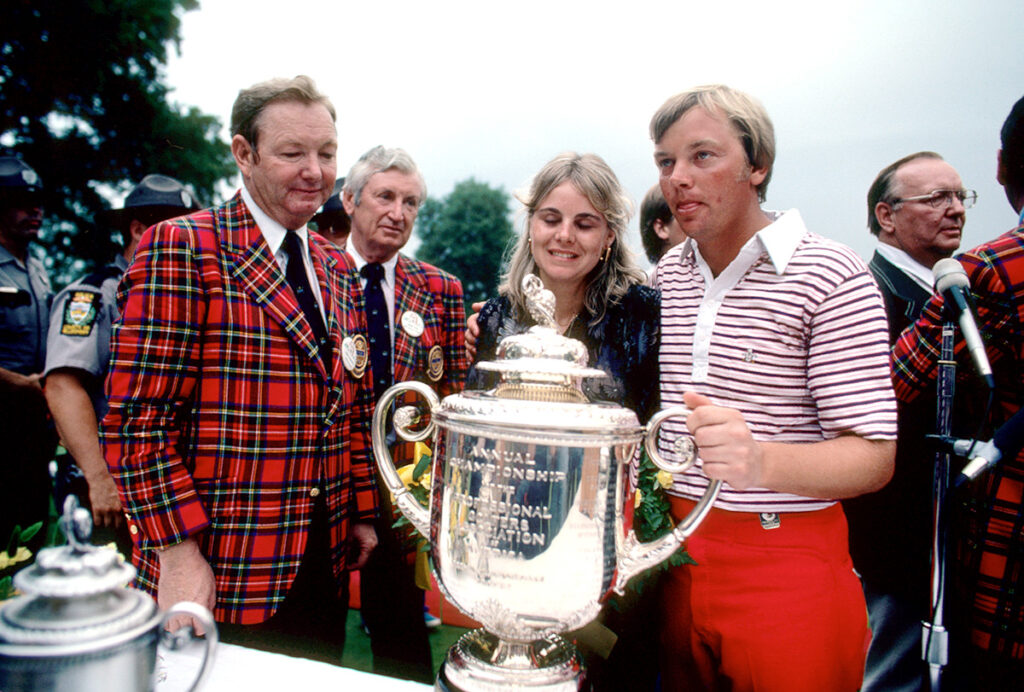
Number 4: 1978 PGA Championship– John Mahaffey
John Mahaffey had a solid career on the PGA Tour with 10 wins, but his performance at the 1978 PGA Championship would become his defining moment. Opening with a first round 75 at historic Oakmont Country Club, Mahaffey began the final 54 holes in a very deep hole—eight shots behind Hall of Famer Tom Watson, who had posted a 67.
Mahaffey began to claw his way back into contention with a 67 on Friday, but still found himself six shots behind going into the weekend. And although he backed it up with an outstanding round of 68 on Saturday, he actually lost ground to Watson, who fired a third round 67 and stood at -10 heading into Sunday, 7 shots clear of Mahaffey who was at 3 under par.
But when Tom faltered on Sunday with a 73, Mahaffey maximized his opportunity by carding a magnificent 66, erasing a 7 shot deficit to force a 3-man playoff with Watson and Jerry Pate.
When Mahaffey birdied the second playoff hole, he claimed the Wanamaker Trophy and recorded the biggest Sunday comeback in PGA Championship history.
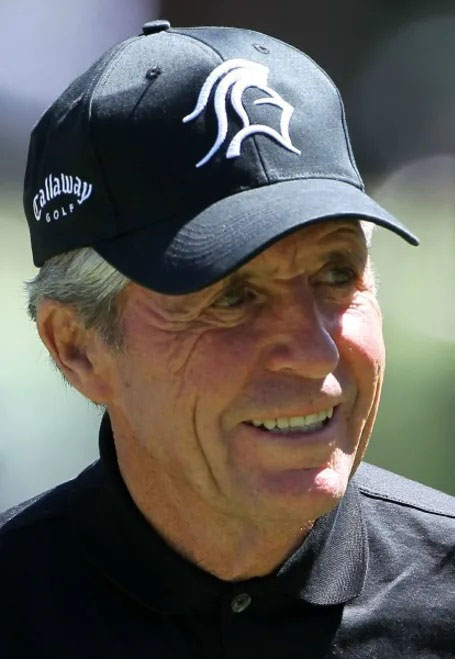
Number 3: 1978 Masters– Gary Player
Gary Player had already won at Augusta twice before with 11 Top-10’s when play got under way at The Masters in 1978. With even par rounds of 72 on Thursday and Friday, Player appeared to be treading water while waiting to make a move, and trailed the leaders (Rod Funseth and Lee Trevino) by 5 shots going to the weekend.
Although Gary kicked it up a notch with a 69 on Saturday, it seemed he had waited just a bit too long as Hubert Green fired a 65 in the third round for a 54-hole total of -10, opening up a 3 shot lead on the field, and a whopping 7 shot margin over Player.
As Sunday’s final round began to heat up, Player crept closer to Green with 3 birdies and a bogey on the front, but Hubert was playing solidly at even par and Gary was still 5 shots behind him going to the back nine.
Since it appeared that Green would not be giving anything away, and Tom Watson had made eagle at 13 to join the lead at 10 under, Player decided it was time to light the afterburner.
With 6 birdies on the back (7 in his last 10 holes), Player charged to the clubhouse with a 30 on the back nine for a final round 64 and a 72-hole total of 11 under par—a shot ahead of the field, and biggest comeback ever at Augusta National.
https://www.golfdigest.com/
Number 2: 1973 U.S. Open– Johnny Miller
The 54-hole leaderboard at the 1973 U.S. Open included many of the all-time greats in the history of golf, including Jack Nicklaus and Gary Player (tied for ninth, 4 shots back at +1), Lee Trevino and Bob Charles (tied for 6th, 2 shots back at -1), and Tom Weiskopf (alone in 5th, 1 shot back at -2). The co-leaders at -3, included Arnold Palmer and Julius Boros, as well as two unheralded tour pros–Jerry Heard and John Schlee.
With so many great players at the top of the leaderboard, it would be pretty much impossible for anyone more than four shots back to win the championship, since even if all of the co-leaders were to falter, one of the other legends who were lurking in the wings was likely to post a low score.
Johnny Miller was seven shots behind the leaders at +4 when play began on Sunday, and to win the championship he would have to go extremely low. Making it even more improbable, the ’73 Open was being played at famed Oakmont Country Club, one of the toughest U.S. Open venues in the rotation.
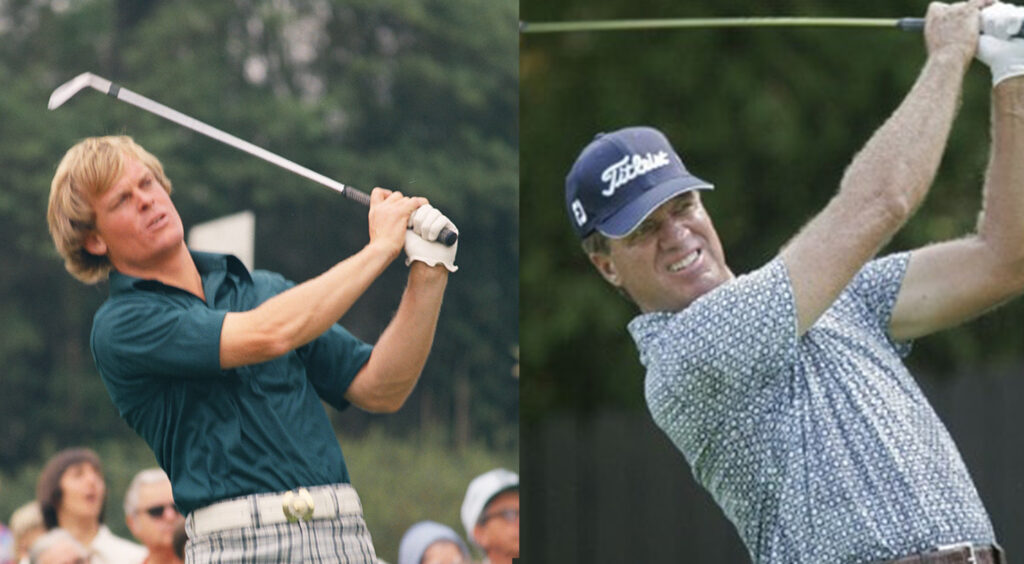
But Miller did exactly that, firing laser-like approach shots to record 9 birdies on his way to a record setting 63 and the U.S. Open Championship trophy in one of finest rounds ever played, and one of the greatest comebacks in history.
https://www.golfchannel.com/
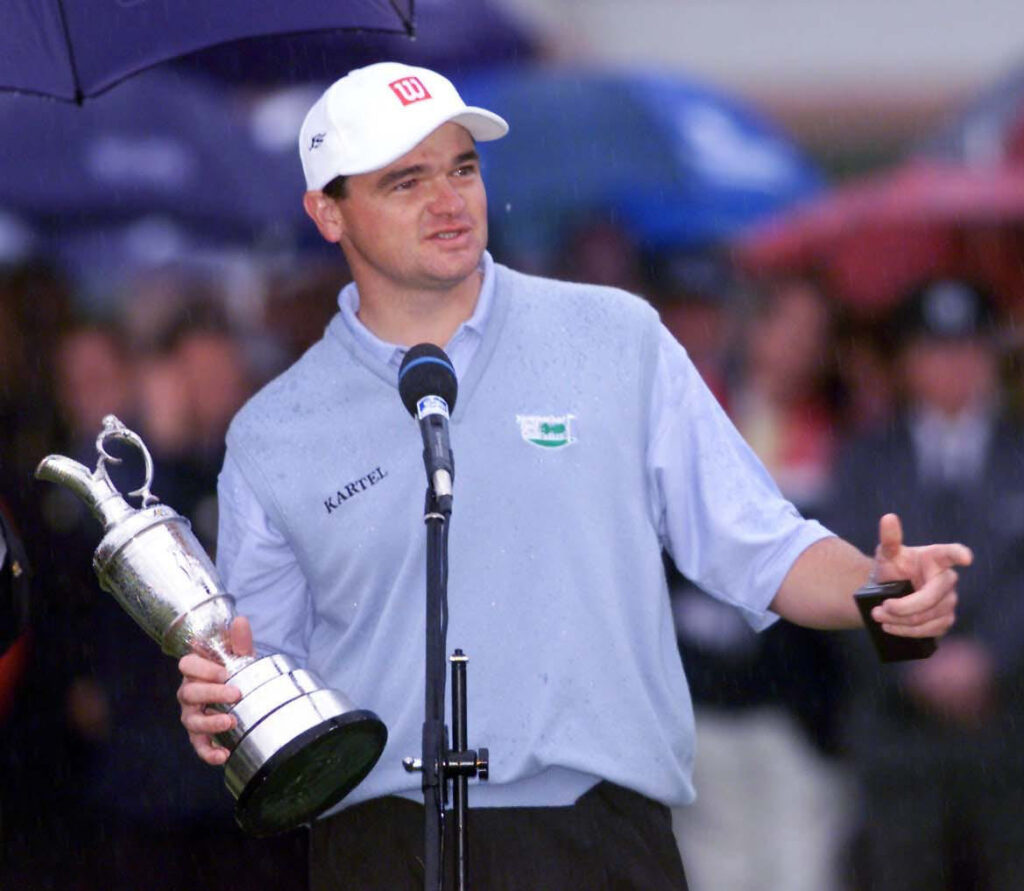
Number 1: 1999 Open Championship– Paul Lawrie
What most remember when thinking back on the 1999 Open Championship at Carnoustie is Jean Van de Velde’s disastrous triple bogey on the 18th hole—and that was certainly a difficult and painful moment for the Frenchman who fought so hard throughout the week.
What is less often talked about is the fantastic final round played by Paul Lawrie. Carnoustie, one of the most difficult courses in the Open Championship rotation, had played particularly tough all week with no one in the field under par when play began on Sunday.
Lawrie began the day in a tie for 14th place at +10, ten shots behind Van de Velde. In one of the greatest rounds ever recorded at a major on Sunday, Lawrie navigated the yawning pot bunkers and gnarly rough through gusting winds to post a magnificent four under round of 67. In the entire field, only 3 other players were able to break 70 (Davis Love, Scott Verplank, and Steve Allen—who each shot 69).
When Lawrie defeated Van de Velde and Justin Leonard in a playoff to claim the Claret Jug, his charge from ten shots off the lead became the biggest Sunday comeback in the history of major championship golf.
LIV Golf: Top 5 Through Boston
https://www.si.com/
Now that the first four LIV events have been completed, it’s a good time to take a look at which players have had the greatest success heading to Rich Harvest Farms in Chicago (September 16-18). We’ve rated and ranked players based on events played, average finish, wins, Top-10 finishes (including runner-up, top-5 and top-10) as well as performance at the 2022 major championships (LIV Player Rankings). To date, 68 players have competed in one or more of the LIV tournaments played thus far, and each has been rated on the performance criteria outlined above to provide a basis for our rankings.
The Leaders
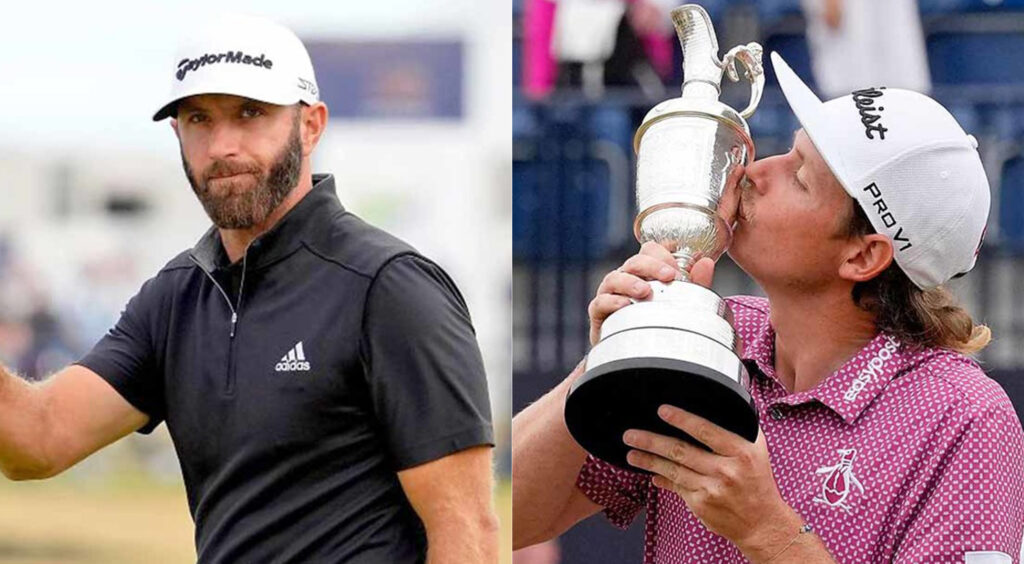
Dustin Johnson: No. 1 / 72.5 Rating
Late Sunday afternoon at The International in Boston, DJ found himself in a sudden death playoff with newly minted LIV players Joaquin Niemann and Anirban Lahiri. When DJ rammed in a lengthy putt for eagle on the opening playoff hole, he raised the trophy for his first LIV tournament win. Having already recorded top 10’s at each of the first 3 events (T2 at Trump National Bedminster, a T3 in Portland and 8th place finish in London), along with a T6 at the Open Championship, Johnson is at the top of the LIV player rankings.
Cameron Smith: No. 2 / 64.0 Rating
Although Cam came up one shot shy of joining the playoff in Boston, a T4 (14 under) along with his Open Championship victory in July and T3 at The Masters back in April vaulted him all the way to Number 2, just behind Dustin.
https://progolfnow.com/
https://www.usatoday.com/
https://www.theguardian.com/
Talor Gooch: No. 3 / 56.0 Rating (Tie)
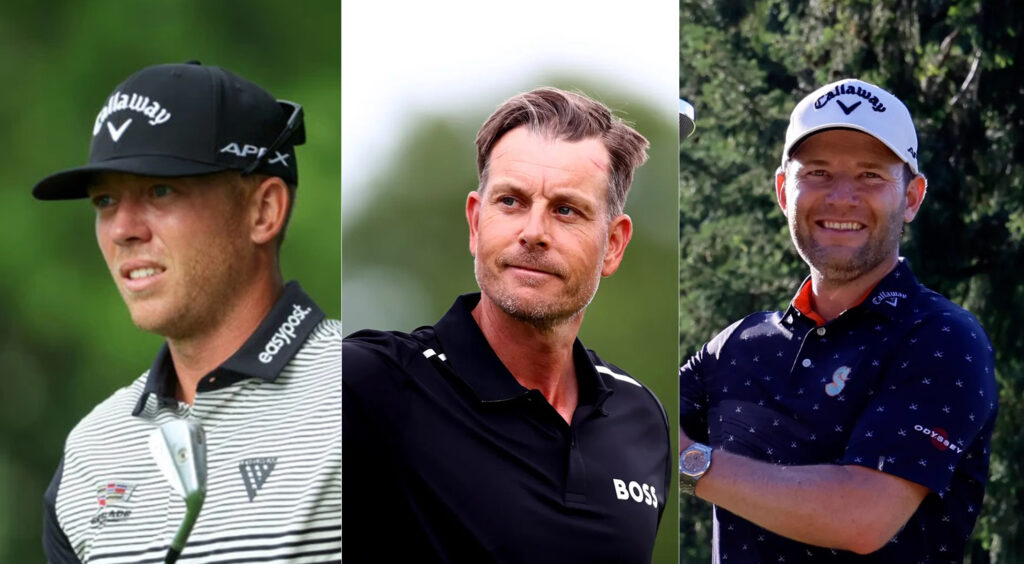
While Talor has yet to record an LIV win, he has finished among the top 10 in all four events (9th in London, 7th in Portland, T6 at Bedminster and a 6th place finish in Boston). Gooch also made the cut in 3 of the 4 majors he played in 2022 (including a T14 at Augusta), which places him in a tie for No. 3 with Henrik Stenson.
Henrik Stenson: No. 3 / 56.0 Rating (Tie)
Stenson held off Matt Wolff and DJ at Bedminster to win the only LIV event he’s played thus far. Unfortunately, Henrik had to withdraw from the field in Boston last weekend—but all indications are that he will be ready to go in Chicago.
Brandon Grace: No. 5 / 55.7 Rating (Tie)
Brandon recorded a T3 in the first LIV event in London, and followed that up by winning at Pumpkin Ridge Golf Club in Portland. With his T13 at Bedminster and a 12th last week in Boston, Grace has the 3rd highest average finish (7.3) of any player who has competed at all four LIV tournaments (behind DJ at 3.5 and Taylor Gooch at 7.0).
https://www.si.com/
Notables
Louis Oosthuizen: No. 9 / 49.2 Rating
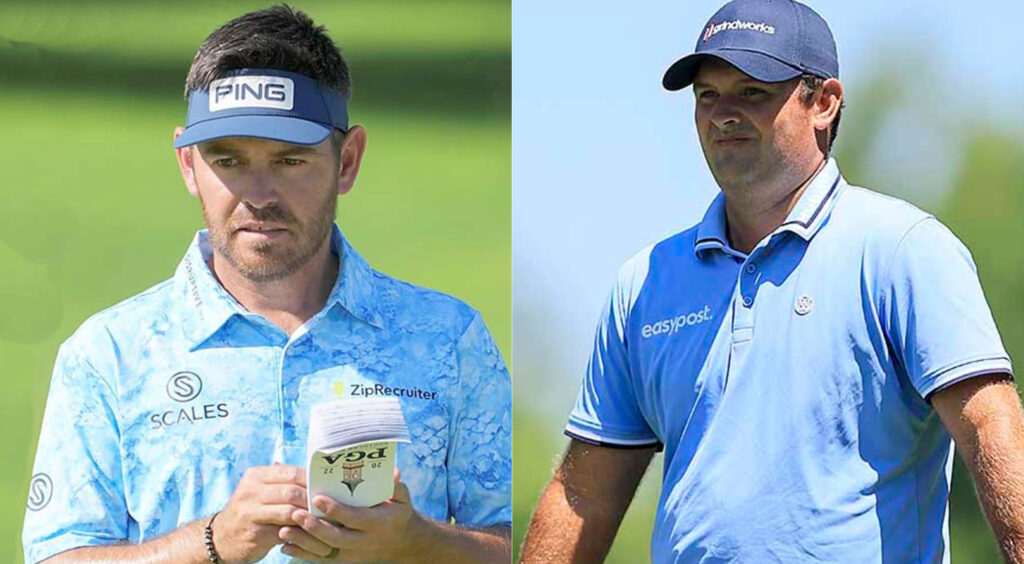
Louie is among the Top 10 on the strength of a T10 in London, 5th place finish in Portland, and a T9 last week in Boston. With one of the great golf swings in history, it’s a pretty good bet that Oosthuizen will record his first LIV win before the final event of the season at Trump Doral in October.
Patrick Reed: No. 10 / 48 Rating
Reed has recorded 2 top-5 finishes in the 3 events he’s played thus far (T3 in Portland and 5th at Bedminster). Patrick also made the cut at all four of the major championships in 2022.
https://www.si.com/
Treading Water
Brook Koepka: No. 25 / 35.3 Rating
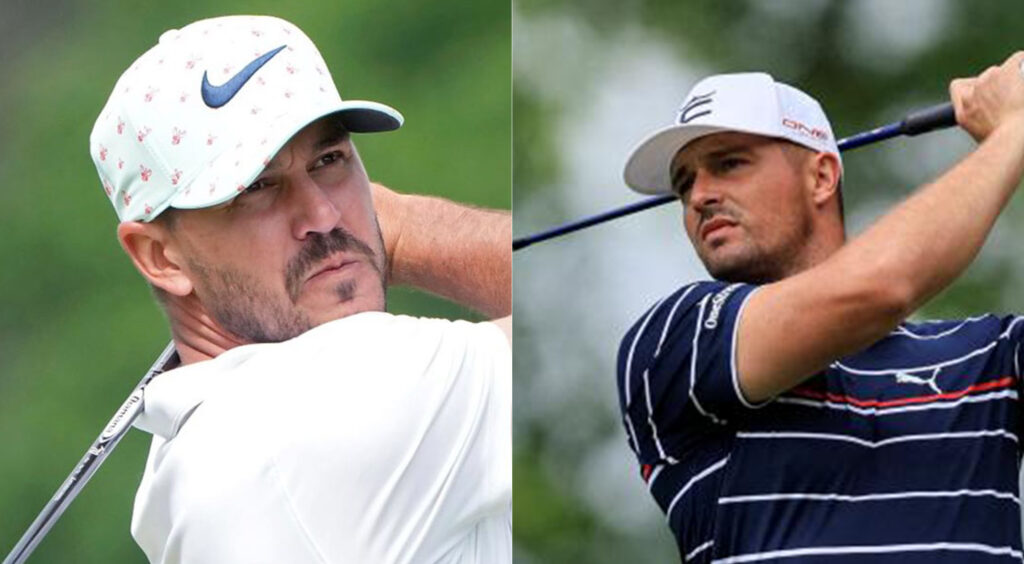
While Koepka puts the most stock in major championships, it’s still a surprise that Brooks hasn’t made a bigger showing in his first three LIV events (a T16 in Portland, T11 at Bedminster and a T26 last week in Boston). 2022 has also been Koepka’s worst season in memory at the majors with missed cuts at The Masters and The Open Championship, along with a 55th place finish at the U.S. Open and a T55 at the PGA.
Although Brooks hasn’t made any excuses, it looks like the knee injury he suffered back in 2021 is a likely a factor in his mediocre performance thus far in 2022.
Bryson DeChambeau: No. 26 / 34.7 Rating
Bryson recorded a T8 at The Open Championship and a T10 in his first LIV event in Portland, but followed that up with a T31 at Bedminster and a T17 last week in Boston. Given his tremendous length from the tee, those performances are significantly below what most would expect.
I’m guessing that “The Scientist” will be heading for the lab, however, and will soon come up with a potion to improve his average finish number (currently at 19.3).
https://golf.com/
Missing in Action
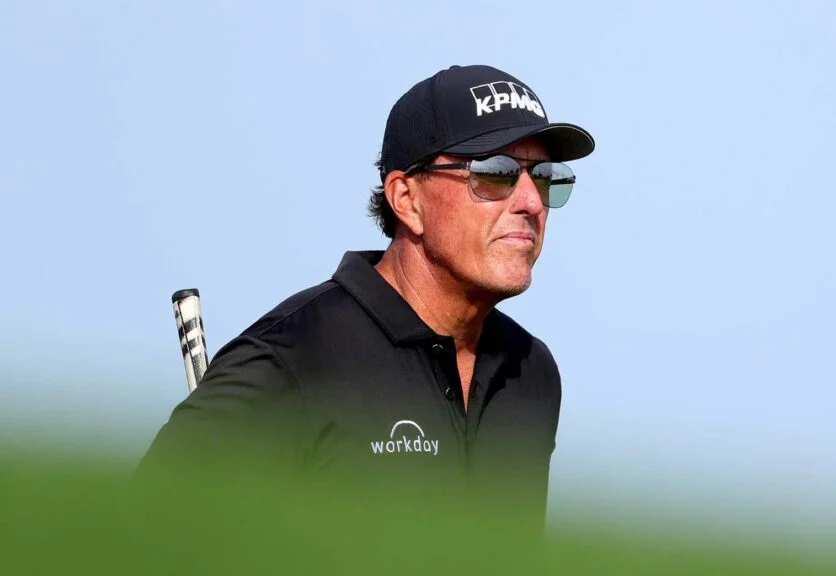
Phil Mickelson: No. 60 / 15 Rating
To say Phil’s first four LIV tournaments have been a struggle is an understatement. In twelve rounds, Mickelson has carded only two under 70 (a first round 69 in London and a second round 69 last Saturday in Boston). At the first event in London, he finished at T33 (+10). In Portland he came in at T40 (+10), and then followed that up with a 35th place finish at Trump National Bedminster (+6).
Unfortunately, it didn’t get any better in Boston where he finished with a T40 (+2). When you throw in missed cuts at the two major championships he played this year, it’s hard to believe this is the same Phil who won the PGA only last year—perhaps he’s waiting for the big stage at Trump Doral in October.
The Players Who Made Time Stand Still
Not surprisingly, when PGA Tour players hit forty years old the wins start to become fewer and far between, and top 10 finishes occur with far less frequency. And by forty-five, the Champions Tour starts to look pretty attractive if the competitive juices are still flowing.
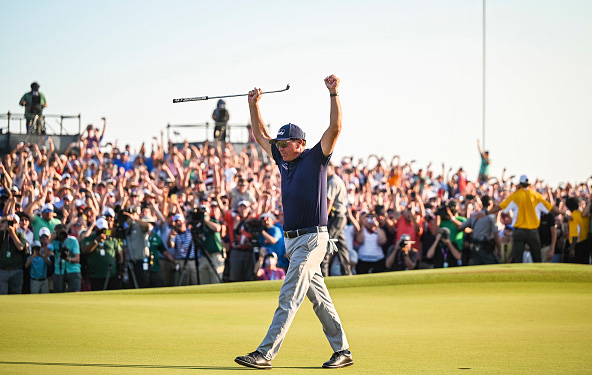
When Phil won the PGA Championship in 2021 at 51 years old, it sent shock waves through the golf world. A half century had passed since Julius Boros, the oldest to win a major before Phil, won the PGA in 1968 at 48 years old. And while Mickelson maintained his skills at a high level throughout his 40’s, he was still not the same player he was in his 30’s. Phil recorded 21 wins in his 30’s with a 37% top 10 percentage, but won only 6 times in his 40’s with a top 10 percentage of 22% (still very high).
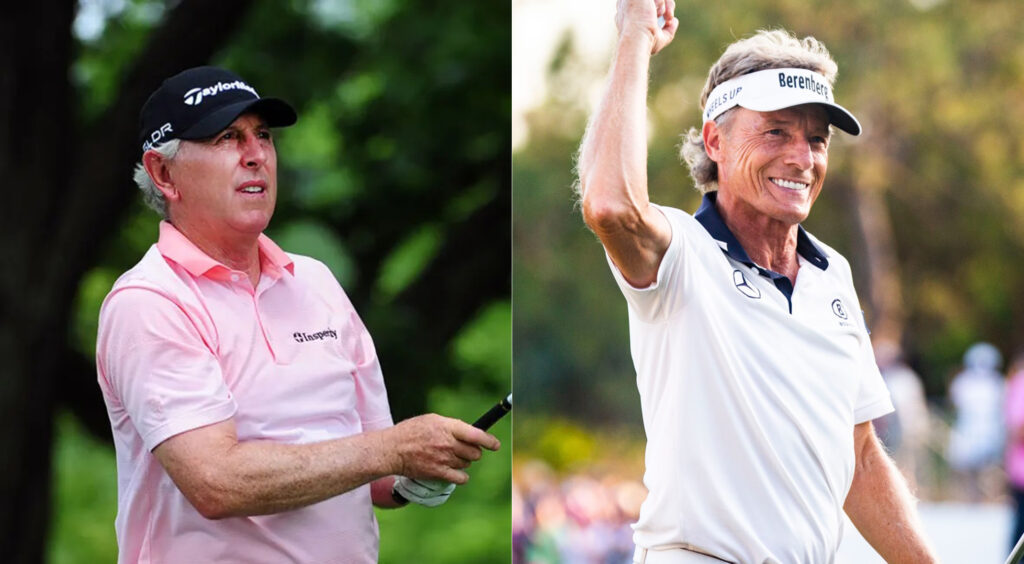
Hale Irwin and Bernhard Langer lead the list for wins on the Champions Tour (Irwin with 45 and Langer with 43), but even they did not come close to carrying the success they had when they were in their 30’s into their 40’s. In his 30’s, Langer recorded 18 wins on the European Tour (now the DP World Tour) and also won the Masters, but won only 9 times in his 40’s. And while Hale Irwin won the U.S. Open at 45, he recorded only 2 other Tour wins in his 40’s as compared with 13 wins while in his 30’s.
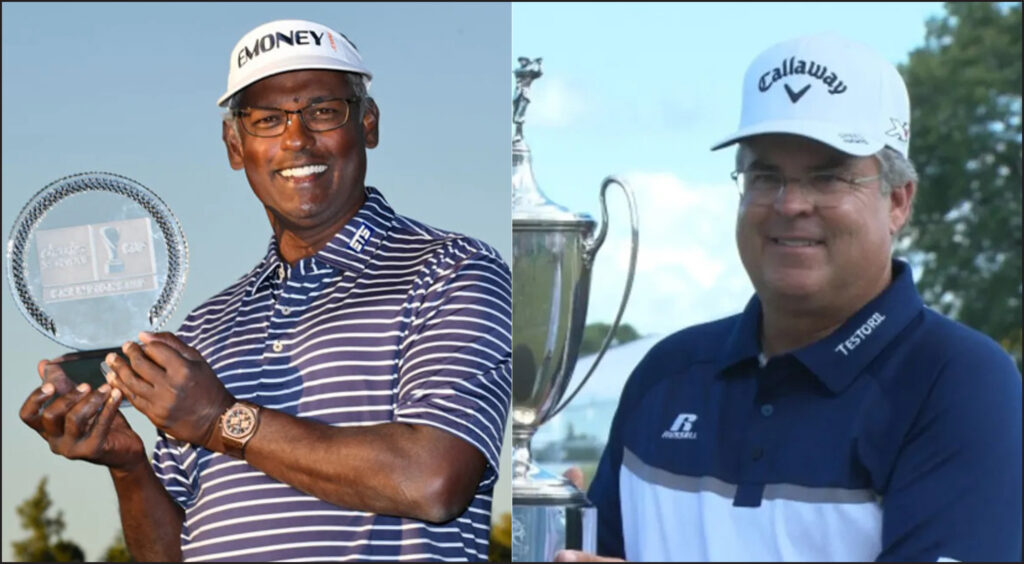
Players who actually got better in their 40’s are extremely rare, but Vijay Singh and Kenny Perry did exactly that—and seemingly defied the laws of nature.
Vijay Singh
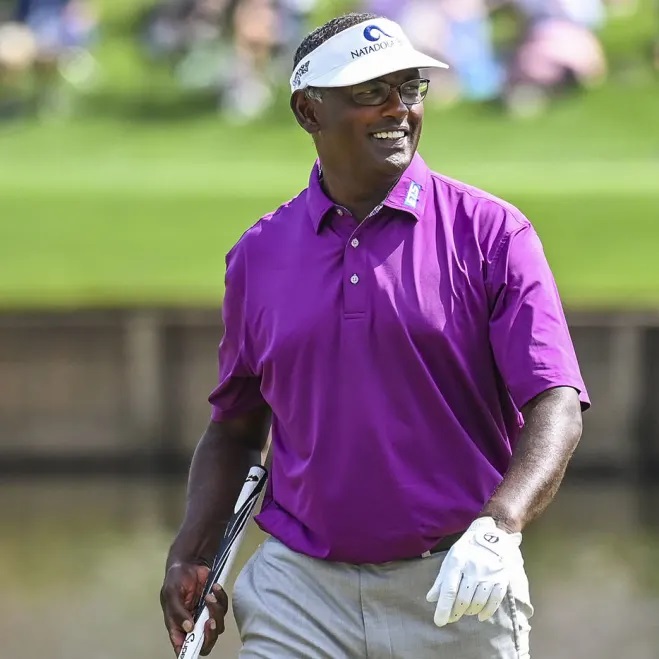
Vijay was inducted into the World Golf Hall of Fame in 2006, and with 3 major championships and 31 additional tour wins, he is among the top twenty players in golf history. Over the course of his career, Vijay made the cut in 87% of the tournaments he entered and finished in the top 10 over 35% of the time—but what really sets him apart is the age at which he recorded so many of those wins.
While in his 30’s, Singh recorded 11 wins, including 2 major championships while finishing among the top 10 in over 34% of the tournaments he entered. In his 40’s, Vijay won 23 times, including another major championship and ten major Top-10’s.
Most amazing is that Vijay’s top 10 percentage was over 37% from 40-49 years old, higher than it was in his 30’s—and no other player in the history of the game has performed at that level through his 40’s.
Vijay was always recognized as one of the greatest drivers of all-time, and he maintained his length and accuracy far beyond the boundaries of what mere mortals generally achieve. If his putting stroke had approached the level of his game tee-to-green, Singh would surely be smiling down from the Mt. Rushmore of golf alongside Jack and Tiger.
Kenny Perry
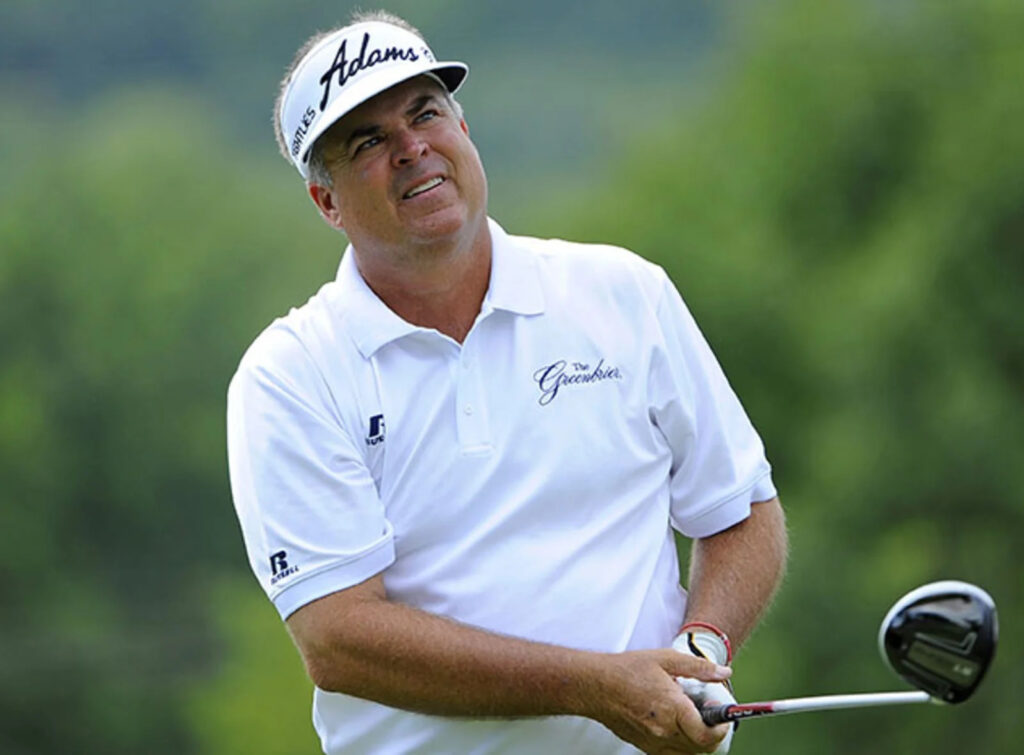
Kenny Perry turned 27 years old in August of 1987, his first full season on the PGA Tour—so his golf career got started quite a bit later than most. In his first 3 years, Kenny finished in the top 10 only 7 times in 85 starts, and he didn’t record his first Tour win until he was 31 (The Memorial in 1991).
In his 30’s, Perry won 3 times on Tour and made the cut in just over 68% of the events he entered, finishing in the top 10 just over 13% of the time (solid, but not among the top echelon on Tour). While Kenny had a very good year in 1998 at age 36 with a runner-up at the PGA Championship and 8 Tour top-10’s, his next 3 years were pretty mediocre as he failed to record a win and finished in the top 10 a total of 7 times.
But as the 3rd millennium arrived and Kenny turned 40, the flood gates suddenly opened and Perry rose like the phoenix, tacking on 11 additional tour wins and 4 major top 10’s.
From age 40-49, Kenny made the cut in over 84% of the tour events he entered and finished in the top 10 nearly 25% of the time—a massive increase from the numbers he recorded in his 30’s.
No player in Tour history ever elevated his game to such a degree after turning 40, and we rank Kenny Perry among the Top 100 players of all-time. Perry also won 10 times on the Champions Tour (including 4 Senior Major championships).
Greats of the Game: Volume II—No. 6 through 10
Major championship performance and PGA Tour wins are the biggest factors in determining where players stand in the history of golf, but making cuts and Top-10 finishes are also important for identifying excellence and consistency.
In deriving our ratings, major championship wins carry the most weight, followed by major runner-up finishes and Tour wins. Top-5 and Top-10 finishes at the majors are also given strong consideration, along with wins on the DP World Tour and to a lesser degree, wins on other recognized Tours (Japan Tour, Sunshine Tour, Asian Tour, etc.).
Making cuts and Top-10 finishes are calculated on the basis of percentage in relation to total starts at PGA Tour sanctioned events through age 49 (when players become eligible for the Champions Tour). Top 10 percentage is given considerable weight, and cut percentage is also a factor in the rating a player receives.
Cuts and Top-10 percentage are overstated as a measure for Byron Nelson and Walter Hagan because fields were limited when they were playing–but this is offset by the fact that Nelson lost prime years in his career due to WWII (Nelson was 29 in 1941), and Hagan had fewer major championship opportunities because he was 42 years old when the first Masters was played in 1934.
While Bobby Jones is certainly among the top 5 players in history with 4 U.S. Open and 3 Open Championship titles, he chose to remain an amateur and therefore has no PGA record for reference–and has not been included in our player ratings. Harry Vardon is also among the greats of the game, with 6 Open Championship titles and a win at the US Open in 1900 (plus his famous runner-up to Francis Ouimet in 1913)—but like Jones, he has no professional record for reference and has not been included in our ratings.
The Top 5 in Volume I included Nicklaus (361), Woods (346), Snead (335), Hogan (281) and Palmer (265).
In Volume II we’ll take a look at the next five on the list of all-time greatest players to round out the Top 10.
Golf Digest: (https://www.golfdigest.com/)
Number 6: Gary Player (236)
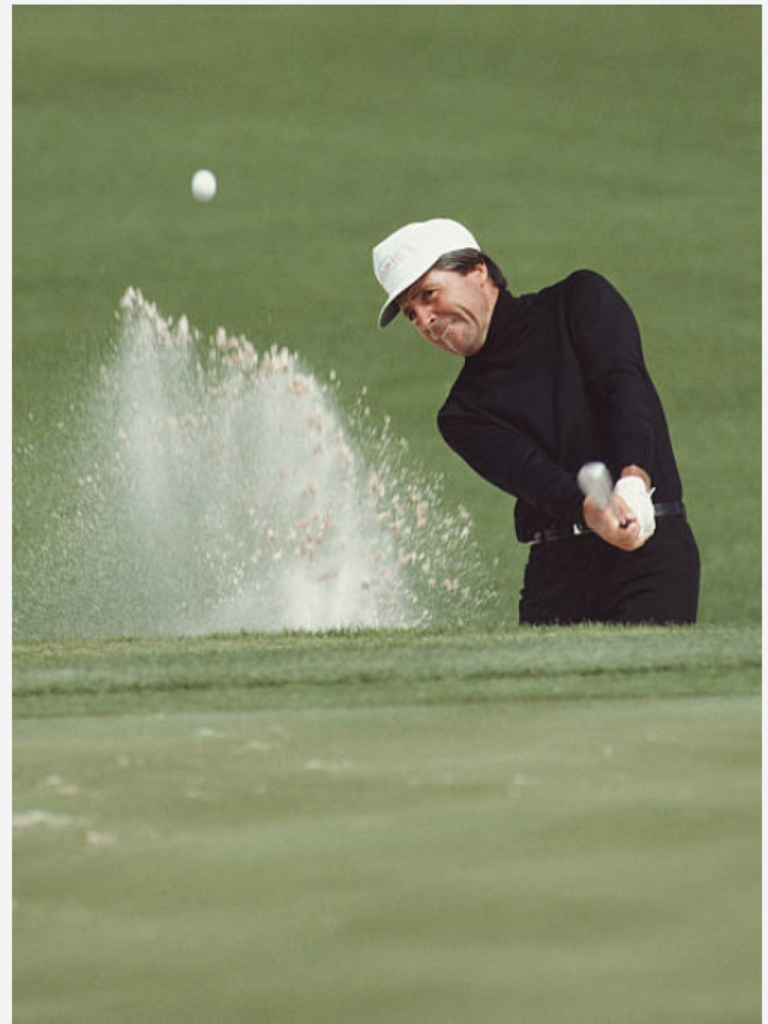
On top of his 9 major championship wins, Gary Player recorded 35 major Top-10’s (6 runner-up’s, 8 Top-5’s and 21 Top-10’s). The Black Knight also won 15 PGA Tournaments and had 95 additional world-wide wins. Player made the cut in close to 90% of his starts and finished in the top ten over 45% of the time. He competed with Jack and Arnie head-to-head throughout his prime between 1961 and 1971—playing a substantial role in building the PGA Tour, while elevating the global popularity of the game.
Gary Player and Jack Nicklaus serve as the honorary starters at The Masters each year, and they were joined by Lee Elder in 2022.
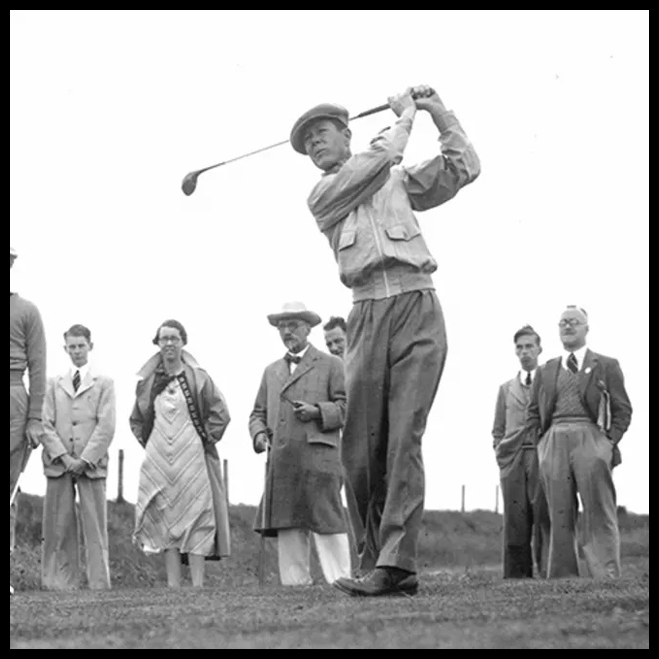
Number 7: Byron Nelson (227)
Byron Nelson won 5 major championships and 47 PGA tournaments. He also recorded 6 major runner-up’s and finished in the top 5 another 10 times. In 1945 Nelson set the record for wins in a season with 18, including 11 in a row. After the 1946 season, at 34 years old, Nelson retired from the regular tour playing only The Masters (where he finished in the top 10 every year from 1947-1951), as well as a limited number of additional Tour events (including The Colonial in Ft. Worth).
In 1968 The Byron Nelson Classic was launched in Dallas Texas, and it continues to be one of the most popular venues on the PGA Tour.
(https://golf.com/)
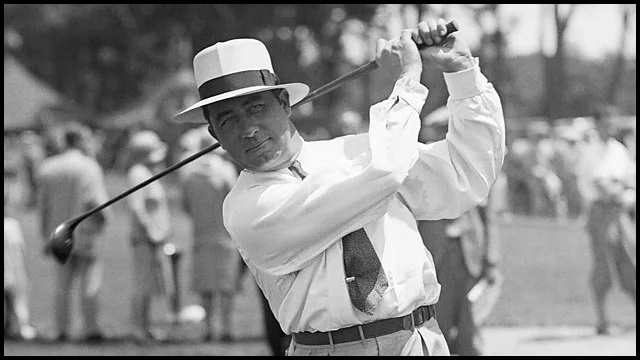
Number 8: Walter Hagan (223)
Walter Hagan is the only player to make the cut in every tournament he played through the entirety of his career, and he finished among the top 10 in three out of every four events he entered. Hagan won 11 major championships (third behind Jack and Tiger) with 22 additional top 10 finishes, and he recorded 34 PGA tournament wins.
Hagan is considered the first American professional golfer. In the first half of the twentieth century, he and Bobby Jones were the towering figures of U.S. golf, forming the foundation for the game as we know it today.
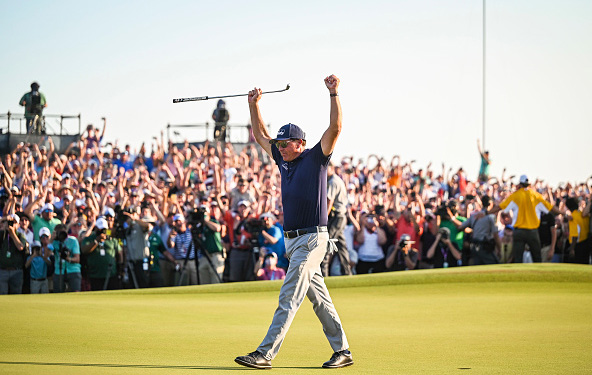
Number 9: Phil Mickelson (216)
Phil the thrill won 6 major championships, most recently at Kiawah in 2021 for his second PGA Championship at age 50 (the oldest player in history to win a major championship). Mickelson also recorded 11 runner-up finishes at the majors, second only to Jack, along with 11 Top-5’s and 11 Top-10’s.
In addition to his record at the majors, Phil won 39 PGA Tour events, making the cut in 82.3% of the tournaments he entered with a top 10 percentage of 31.5%.
Phil went up against with Tiger throughout his prime between 1996 and 2006, as well going to head-head with Ernie Els and Vijay Singh (each among the top 15 all-time).
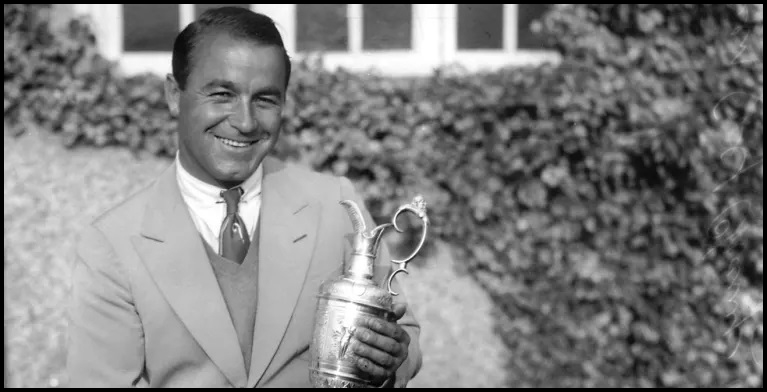
Number 10: Tom Watson (211)
Tom Watson nearly did the impossible in 2009, when he came inches from recording his 6th Open Championship at Turnberry at the age of 58. Perhaps it should not have been such a surprise, however, when you consider Watson’s record of excellence and consistency throughout his career.
From his second full year on Tour in 1974 at age 23, through 1998 at age 48 (a quarter of a century), Watson recorded at least 4 top 10 finishes every year.
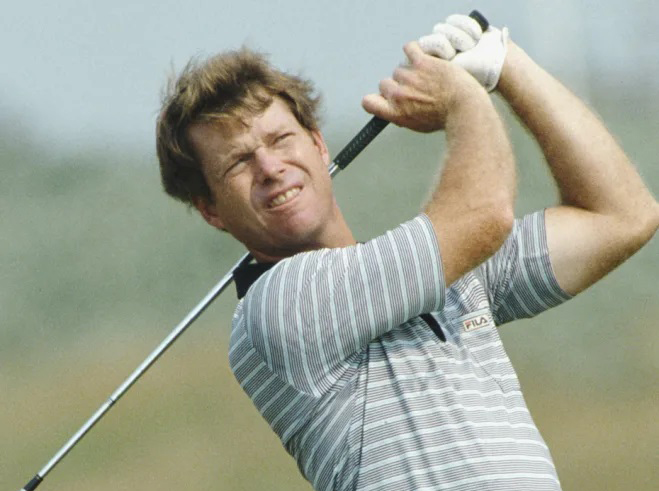
In total, Watson won 8 major championships with an additional 38 major top 10’s (including 8 runner-up and 10 top 5’s), along with 31 PGA Tour wins.
Tom made the cut in 83.9% of the tournaments he entered, and recorded top 10 finishes in just under 40% of his starts.
Keep an eye out for Greats of the Game Volume III, where we will take a look at Gene Sarazen (No. 11), Billy Casper (No. 12, Ernie Els (No. 13), Greg Norman (No. 14) and Vijay Sing (No. 15).
Greats of the Game: Volume I—The Top 5
Major championship performance and PGA Tour wins are the biggest factors in determining where players stand in the history of golf, but making cuts and Top-10 finishes are also important for identifying excellence and consistency.
In deriving our ratings, major championship wins carry the most weight, followed by major runner-up finishes and Tour wins. Top-5’s and Top-10’s at the majors also receive strong consideration, along with wins on the DP World Tour and to a lesser degree, wins on other recognized Tours (Japan Tour, Asian Tour, etc.).
Making cuts and Top-10 finishes are calculated on the basis of percentage in relation to total starts at PGA Tour sanctioned events through age 49 (when players become eligible for the Champions Tour). Top 10 percentage is given considerable weight, and cut percentage is also a factor in the rating a player receives.
Cuts and Top-10 percentage are overstated as a measure for Snead and Hogan, because fields were limited–but this is offset by the fact that each lost prime years in their career due to WWII (they were both 29 in 1941).
While Bobby Jones is certainly among the top 5 players in history with 4 U.S. Open and 3 Open Championship titles, he chose to remain an amateur and therefore has no PGA record for reference–and is not included below.
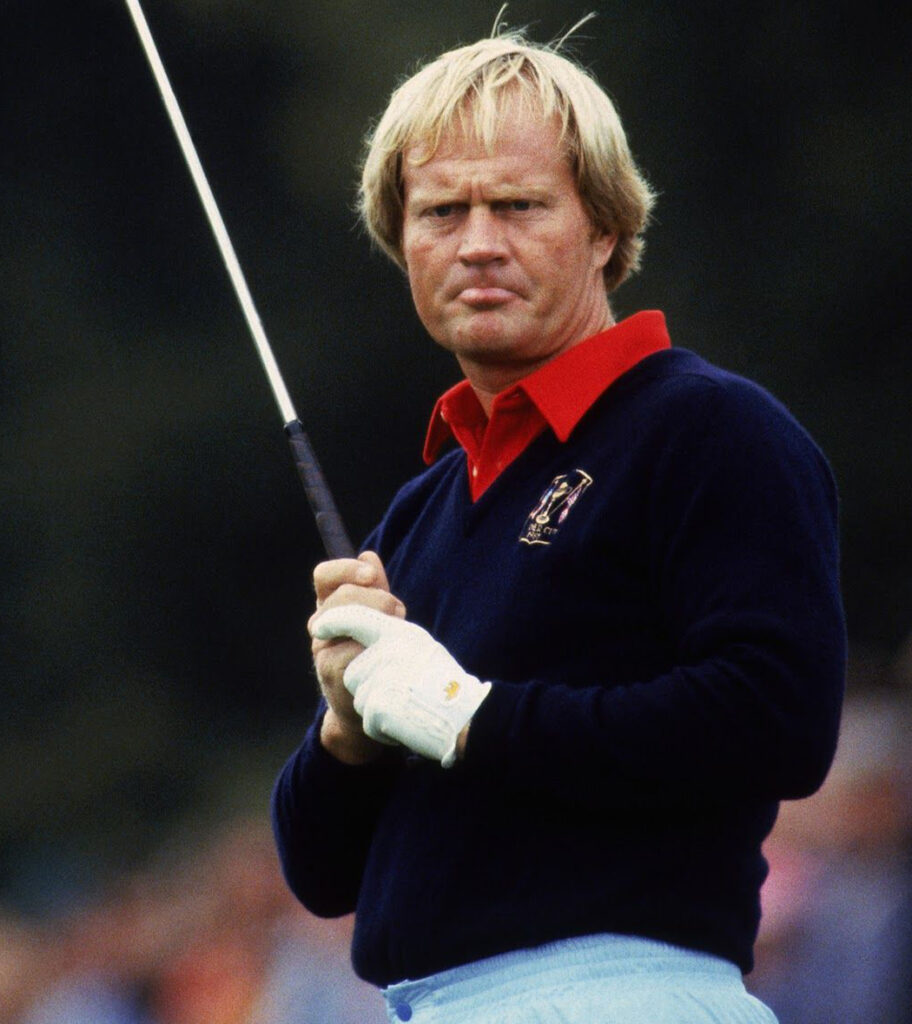
Number 1: Jack Nicklaus (361)
In addition to his 18 major championship wins, Jack recorded 55 Top-10 finishes at the majors (19 runner-up’s, 19 Top-5’s and 17 Top-10’s)–by far the most of any player in history. The Golden Bear also recorded 55 Tour wins along with his major championships for a total of 73, and he had the highest Top-10 percentage (60.2%) and cut percentage (93.6%) of any modern-day player.
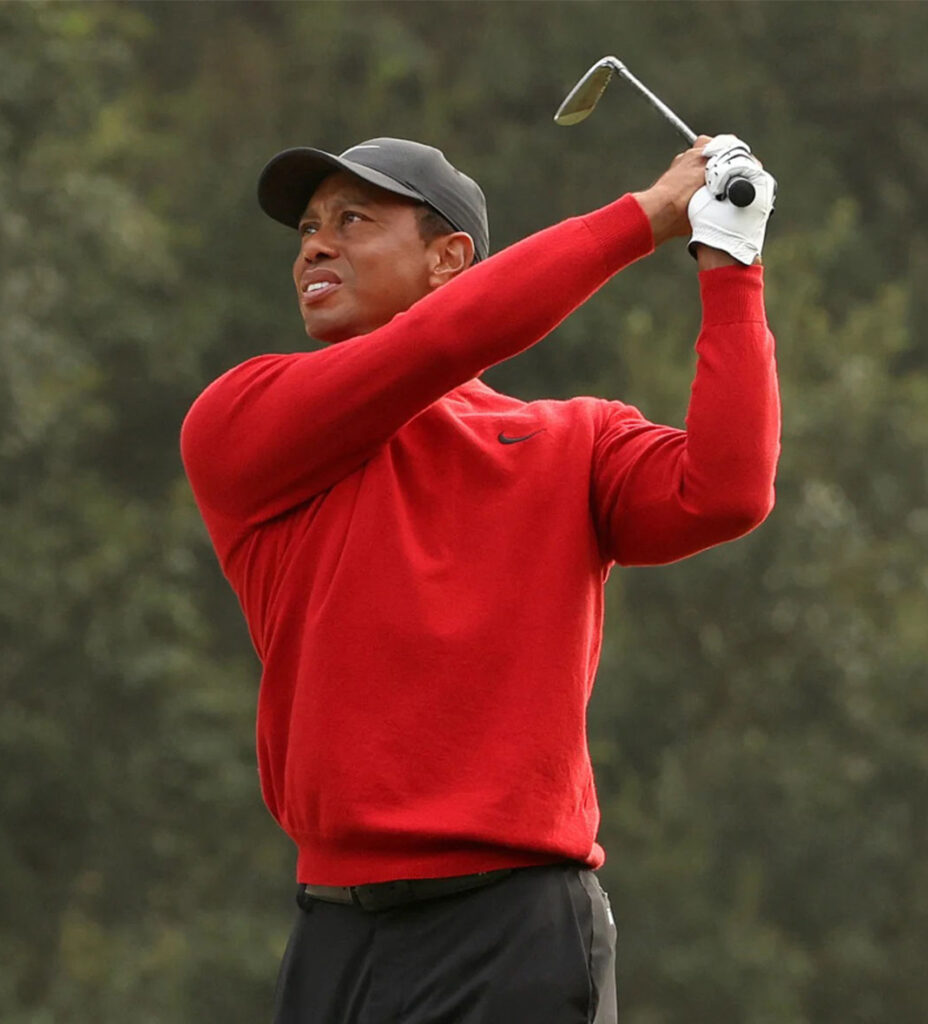
Number 2: Tiger Woods (346)
Tiger is second to Jack with 15 major championship wins, a close second in Top-10 percentage (91%) and just behind Nicklaus in cut percentage as well at 54.9%. With his 67 Tour wins, Tiger is tied with Sam Snead for the most wins in history (82), and also added 8 wins on the DP world Tour. At 46 years old, Tiger still has a number of years with which to add additional wins and Top-10 finishes—so Jack’s position at No. 1 is by no means a certainty when all is said and done.
Flickr (https://www.flickr.com/)
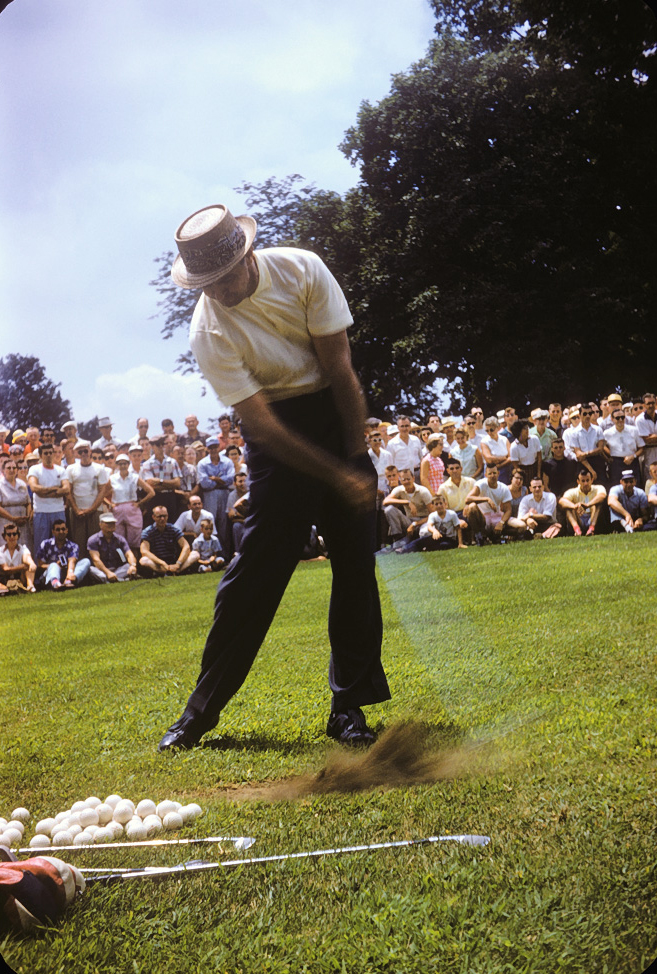
Number 3: Sam Snead (335)
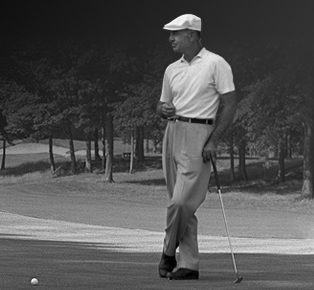
Sam Snead recorded 7 major championship victories along with 75 wins on Tour, setting the mark of 82 total wins (tied by Tiger.) Snead made the cut in 391 of the 394 tournaments he entered (99%), and recorded Top 10 finishes in 75% of those events. When you include 8 runner-up finishes, 15 Top-5’s and 18 Top-10’s at the major championships, Snead comes up at No. 3—just behind Tiger.
(https://www.amateurgolf.com/)
Number 4: Ben Hogan (281)
Ben Hogan won 9 major championships along with 55 PGA events. He made the cut in 97.8% of the tournaments he played, and finished in the top 10 close to 80% of the time. After his near fatal auto accident in 1949 at age 36, Hogan never played more than 6 tournaments in any year—yet won 6 more major champions and recorded an additional 15 top 10’s at the majors (including 4 runner-up’s).
Number 5: Arnold Palmer (265)
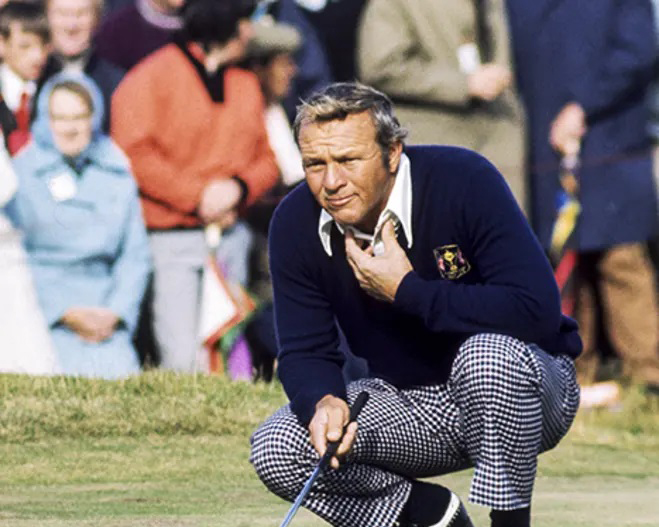
Arnie’s career spanned 55 years from 1949 through his last appearance at The Masters in 2004, and while Tiger has had a huge impact on the popularity of golf in the last 25 years, Palmer brought the game to prime-time—and set the stage for the global appeal that golf currently enjoys. And he was perfect for the role. Photogenic with a big personality, tremendous power and ability combined with a go-for-broke style of play that endeared him to millions—commonly known as “Arnie’s Army.”
Throughout the course of his career, Arnie won 7 major championships and recorded 55 wins on tour. When Jack burst onto the PGA Tour in 1962, Palmer was still in his prime at 32 years and had just won The Masters and The Open Championship—and while Arnie added only one more major win (1964 Masters), he recorded an additional 7 major runner-up’s and 7 Top-10’s through 1970.
Palmer also made the cut in 90% of the tournaments he entered, with a Top-10 percentage of 43.5%.
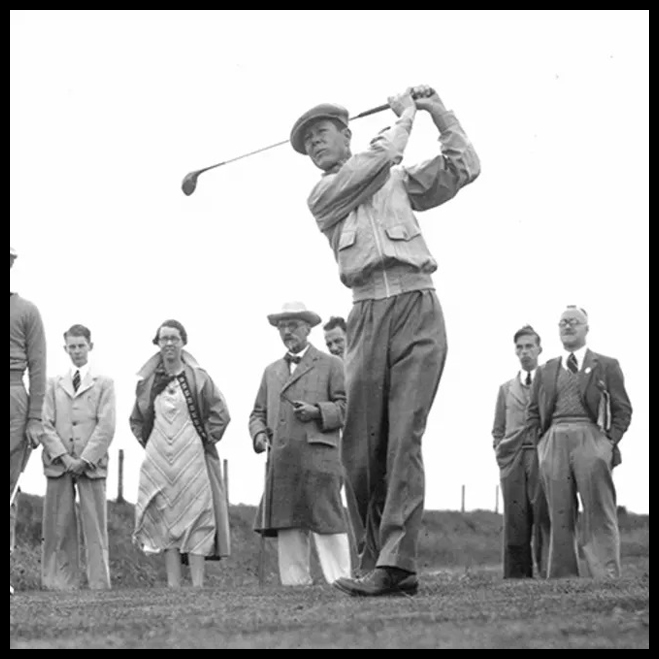
Keep an eye out for Greats of the Game Volume II, where we will take a look at Gary Player (No. 6), Byron Nelson (No. 7), Walter Hagan (No. 8), Phil Mickelson (No. 9) and Tom Watson at No. 10.
Tony Finau Goes Back-To-Back
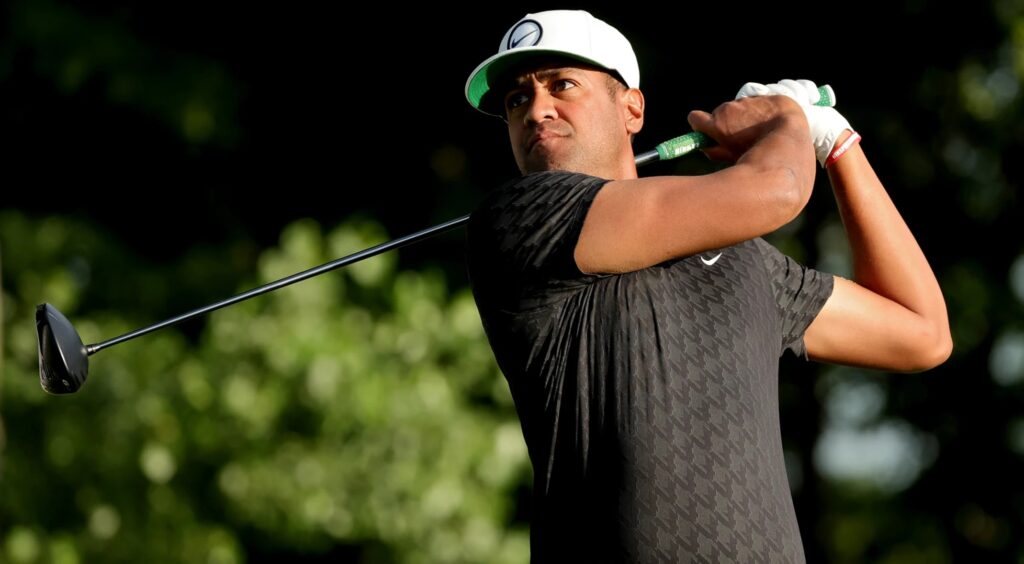
Tony Finau cruised to victory last week at the Rocket Mortgage Classic, giving him back-to-back wins after his dominant performance at the 3M Open the previous week. His latest win (and 4th on tour), included rounds of 64, 66, 65 and 67—5 shots clear of the field, and a new tournament record score of 26 under par.
It’s been 3 years since anyone has won consecutive events on the PGA Tour (Brendon Todd did it back in 2019), and Tony’s accomplishment couldn’t have come at two courses that were less alike. The venerable Detroit Golf Club (Rocket Mortgage) was founded back in 1899 and features a classic Donald Ross design, while TPC Twin Cities (3M) is an extremely demanding Palmer design built in 2000. That tells you Finau can win anywhere, on any track, when he’s driving the ball consistently and making a few putts—because there are not many on Tour with his kind of power.
Breaking the Jinx
Since Tony’s first full season back in 2014-15, he’s been among the best on tour, making the cut in almost 80% of the tournaments he enters, while averaging 7 Top 10’s a year (and he’s recorded 10 Top 10’s at the major championships). But wins had been illusive—until now. Some believed it was due to the Puerto Rico Open jinx (Tony’s first Tour win was in Puerto Rico), because for a long time only Michael Bradley (the ’09 winner) was able to win again on tour after winning there (and his only other win was in Puerto Rico in 2011). Victor Hoveland (the 2020 winner) first dispelled the jinx by adding a win in 2021 at Mayakoba, and then Tony broke the jinx as well with his win at the Northern Trust in 2021—but notching two wins in a row should put an end to the jinx forever.
The Early Years
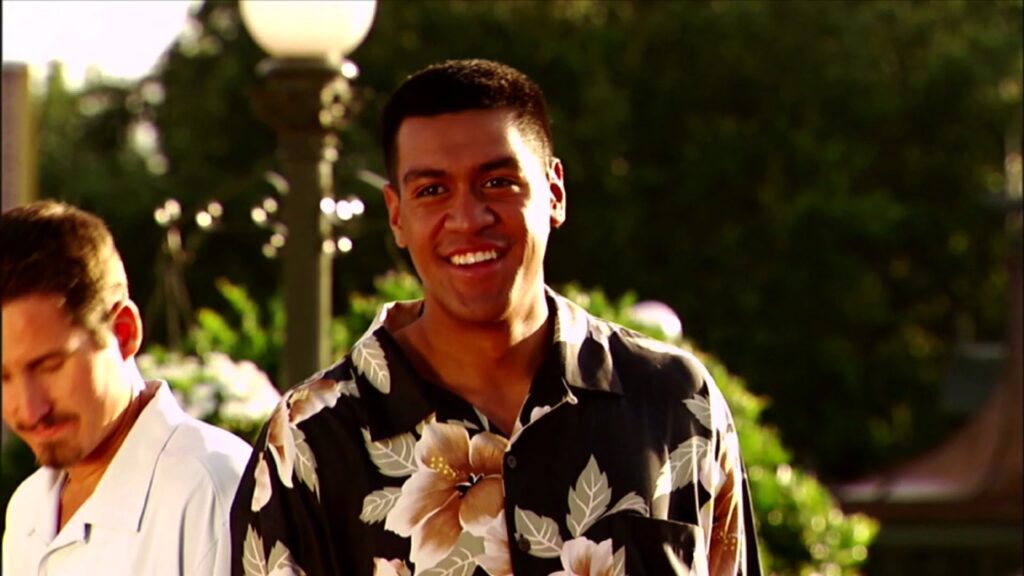
Tony was born on September 14, 1989 in Salt Lake City, Utah, and golf first grabbed his attention when he was 7 years old and Tiger burst onto the scene, winning 2 of the first 8 tournaments he entered. Picking up a copy of Nicklaus’ “Golf My Way,” he and his father (who had no knowledge of golf) set about learning the fundamentals of the game. His talent became immediately apparent, and with the support of his mom and dad he played junior tournaments throughout the state, ultimately winning the 2006 Utah State Amateur Championship at just 16 years old.
Golf Channel ( https://www.golfchannel.com/)
Although he was offered scholarships to play college golf at Stanford and BYU, and he was sought after to play basketball at Utah State and Webber State, Tony decided to turn pro at 18 and began playing various mini-tour events to get right into the action. In 2009 Finau got his first break—literally—when he landed a place on Golf Channel’s hit show “Big Break.” Although he finished second, golf fans were able to get their first look at Tony’s immense power—and with his grit and determination, it was only a matter of time before he would bring his talent to the PGA Tour.
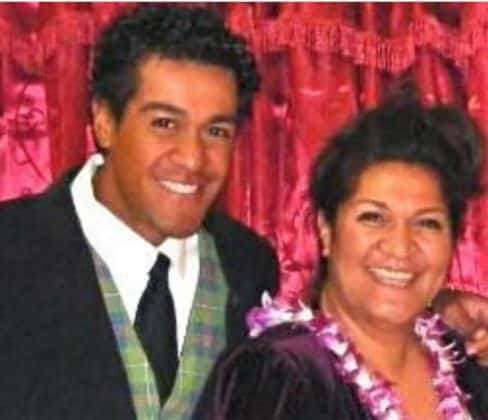
In 2011, however, Tony’s golf career was put on hold when his mother was tragically killed in an automobile accident. Raised in a close-knit family, the loss of his mother hit him hard and it was almost a year before he could resume competitive golf.
Childhood Biography (https://childhoodbiography.com/)
By 2013 he was back, competing on the Canadian Tour where he made the cut in 7 of 8 events including 2 Top 10’s. And in 2014 he qualified for the Korn Ferry Tour, making the cut in 19 of 23 events with 5 Top 10’s including a win—and earned his PGA Tour card for the 2014-2015 season.
PGA Tour
In his first year on Tour Tony racked up 5 Top-10 finishes, including a T10 at the PGA Championship and a T8 at The Memorial. In 2016 he recorded his first win at the Puerto Rico Open, and in 2017 Tony made the cut in 24 of 29 events with 8 Top-10’s and the first of his 5 consecutive trips to the Tour Championship (where he finished with a T7).
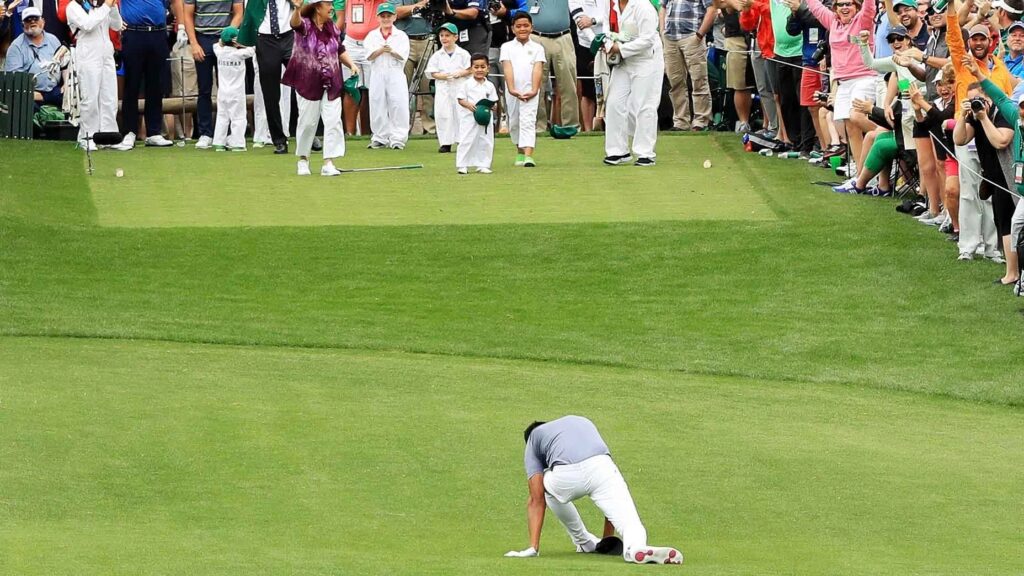
Perhaps one of the most defining moments of Tony’s career came at the 2018 Masters, when he dislocated his ankle following an ace at the par 3 tournament on Wednesday, popped it back in, and proceeded to record a T10 with a closing 66 on a purple foot that looked like something from a horror film. At the 2019 Masters Tony shared the 54 lead and played in the final group with Tiger, fulfilling a life-long dream while getting a front row seat of history in the making, as Woods recorded his 15th major championship victory (Tony played well amid the frenzied gallery, posting a final round 72 while finishing 2 stokes back for a T5).
With his back-to-back wins Finau has moved to No. 13 in the World Golf Rankings, and his game could not have rounded into top form at a better time as the FedEx Cup playoffs get under way in two weeks. Tony has made it clear that he has no intention of jumping at the money offered by LIV, and with nearly $3 million in earnings from the last two weeks alone, its seems that his decision was sound from a financial standpoint as well.
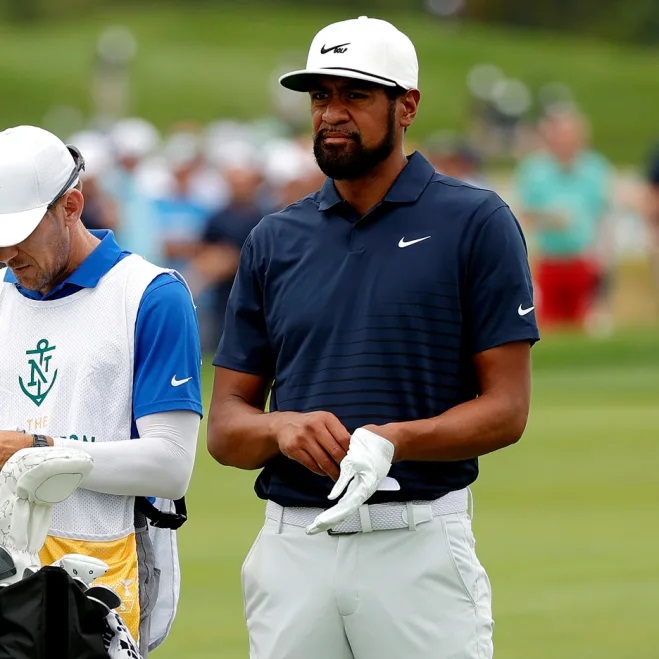
Tony now holds the No. 7 position in the FedEx Cup standings, just behind Rory McIlroy, and the way he’s playing it would be a surprise if he didn’t move up even further—with the $18 million first place check waiting at the end of the rainbow.
And it couldn’t happen for a more deserving young man.