Major championship performance and PGA Tour wins are the biggest factors in determining where players stand in the history of golf, but making cuts and Top-10 finishes are also important for identifying excellence and consistency.
In deriving our ratings, major championship wins carry the most weight, followed by major runner-up finishes and Tour wins. Top-5 and Top-10 finishes at the majors are also given strong consideration, along with wins on the DP World Tour and to a lesser degree, wins on other recognized Tours (Japan Tour, Sunshine Tour, Asian Tour, etc.).
Making cuts and Top-10 finishes are calculated on the basis of percentage in relation to total starts at PGA Tour sanctioned events through age 49 (when players become eligible for the Champions Tour). Top 10 percentage is given considerable weight, and cut percentage is also a factor in the rating a player receives.
Cuts and Top-10 percentage are overstated as a measure for Byron Nelson and Walter Hagan because fields were limited when they were playing–but this is offset by the fact that Nelson lost prime years in his career due to WWII (Nelson was 29 in 1941), and Hagan had fewer major championship opportunities because he was 42 years old when the first Masters was played in 1934.
While Bobby Jones is certainly among the top 5 players in history with 4 U.S. Open and 3 Open Championship titles, he chose to remain an amateur and therefore has no PGA record for reference–and has not been included in our player ratings. Harry Vardon is also among the greats of the game, with 6 Open Championship titles and a win at the US Open in 1900 (plus his famous runner-up to Francis Ouimet in 1913)—but like Jones, he has no professional record for reference and has not been included in our ratings.
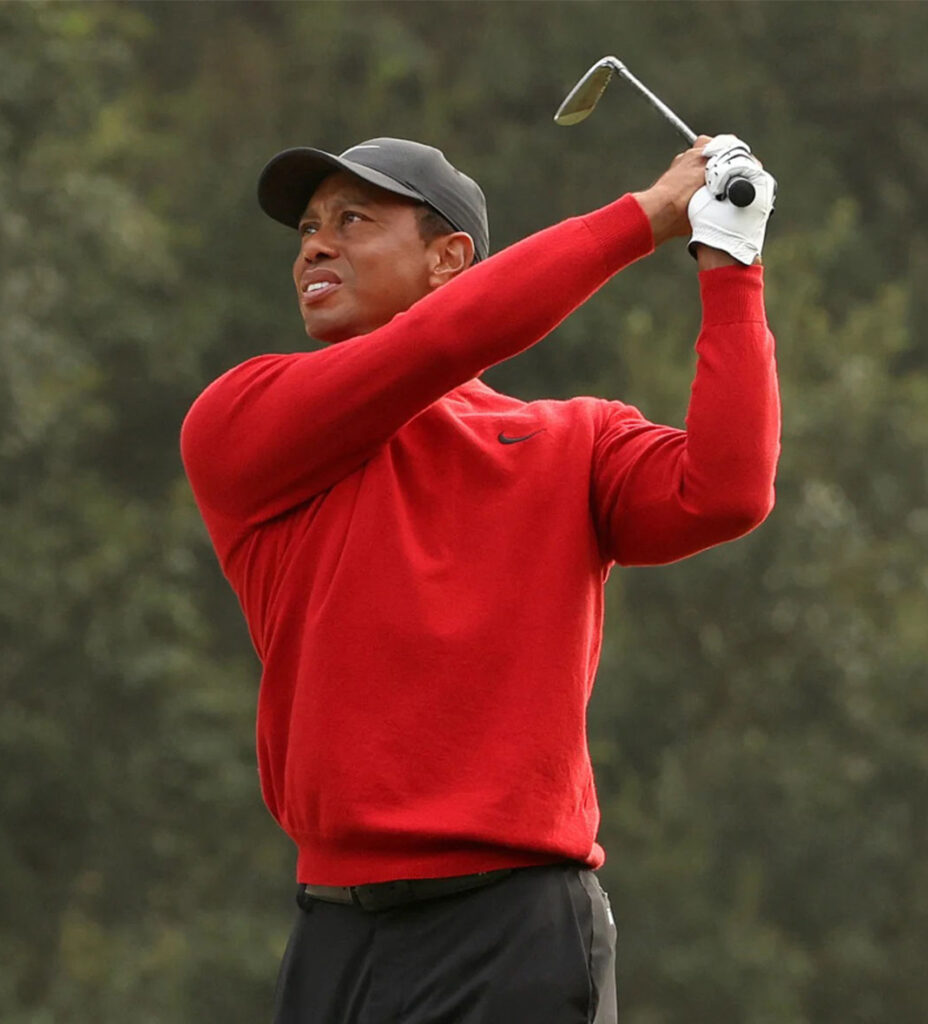
The Top 5 in Volume I included Nicklaus (361), Woods (346), Snead (335), Hogan (281) and Palmer (265).
In Volume II we’ll take a look at the next five on the list of all-time greatest players to round out the Top 10.
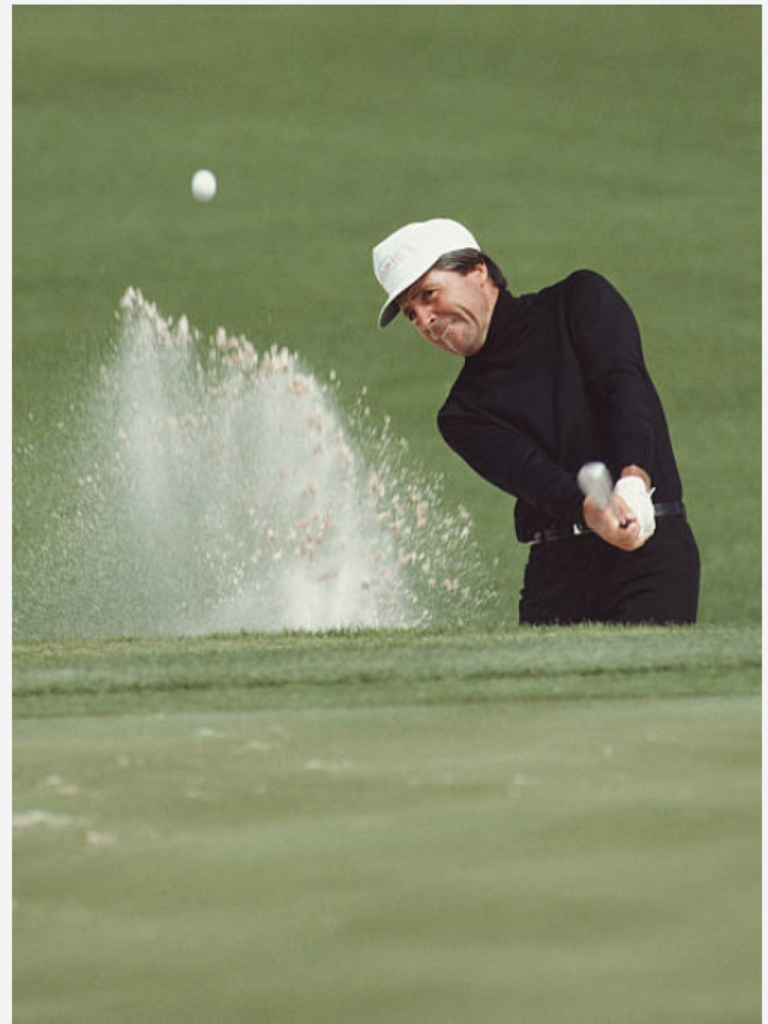
On top of his 9 major championship wins, Gary Player recorded 35 major Top-10’s (6 runner-up’s, 8 Top-5’s and 21 Top-10’s). The Black Knight also won 15 PGA Tournaments and had 95 additional world-wide wins. Player made the cut in close to 90% of his starts and finished in the top ten over 45% of the time. He competed with Jack and Arnie head-to-head throughout his prime between 1961 and 1971—playing a substantial role in building the PGA Tour, while elevating the global popularity of the game.
Gary Player and Jack Nicklaus serve as the honorary starters at The Masters each year, and they were joined by Lee Elder in 2022.
Byron Nelson: 11 Consecutive Wins
Number 7: Byron Nelson (227)
Byron Nelson won 5 major championships and 47 PGA tournaments. He also recorded 6 major runner-up’s and finished in the top 5 another 10 times. In 1945 Nelson set the record for wins in a season with 18, including 11 in a row. After the 1946 season, at 34 years old, Nelson retired from the regular tour playing only The Masters (where he finished in the top 10 every year from 1947-1951), as well as a limited number of additional Tour events (including The Colonial in Ft. Worth).
In 1968 The Byron Nelson Classic was launched in Dallas Texas, and it continues to be one of the most popular venues on the PGA Tour.
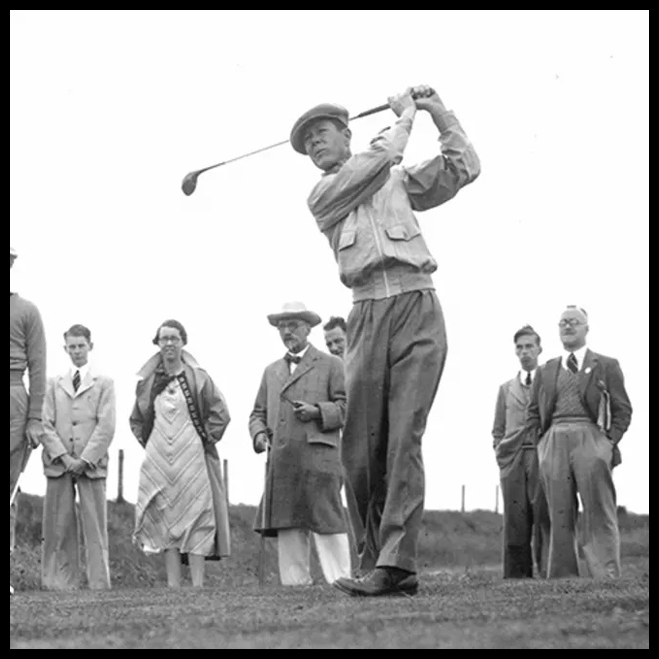
Walter Hagan is the only player to make the cut in every tournament he played through the entirety of his career, and he finished among the top 10 in three out of every four events he entered. Hagan won 11 major championships (third behind Jack and Tiger) with 22 additional top 10 finishes, and he recorded 34 PGA tournament wins.
Hagan is considered the first American professional golfer. In the first half of the twentieth century, he and Bobby Jones were the towering figures of U.S. golf, forming the foundation for the game as we know it today.
Phil Mickelson: Wins PGA at 50
Number 9: Phil Mickelson (216)
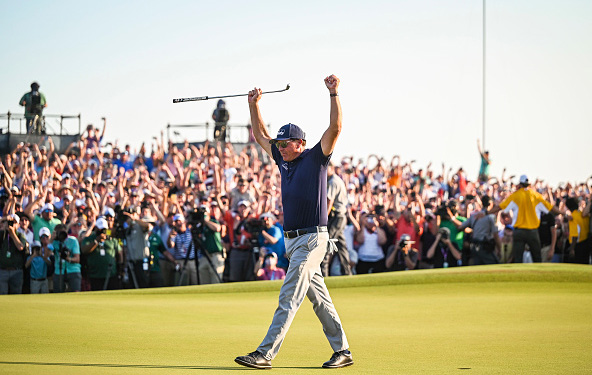
Phil the thrill won 6 major championships, most recently at Kiawah in 2021 for his second PGA Championship at age 50 (the oldest player in history to win a major championship). Mickelson also recorded 11 runner-up finishes at the majors, second only to Jack, along with 11 Top-5’s and 11 Top-10’s.
In addition to his record at the majors, Phil won 39 PGA Tour events, making the cut in 82.3% of the tournaments he entered with a top 10 percentage of 31.5%.
Phil went up against with Tiger throughout his prime between 1996 and 2006, as well going to head-head with Ernie Els and Vijay Singh (each among the top 15 all-time).
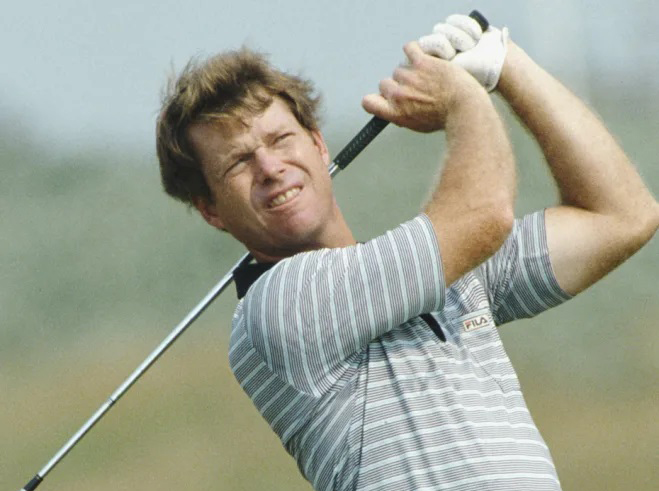
Number 10: Tom Watson (211)
Tom Watson nearly did the impossible in 2009, when he came inches from recording his 6th Open Championship at Turnberry at the age of 58. Perhaps it should not have been such a surprise, however, when you consider Watson’s record of excellence and consistency throughout his career.
From his second full year on Tour in 1974 at age 23, through 1998 at age 48 (a quarter of a century), Watson recorded at least 4 top 10 finishes every year.
In total, Watson won 8 major championships with an additional 38 major top 10’s (including 8 runner-up and 10 top 5’s), along with 31 PGA Tour wins.
Tom made the cut in 83.9% of the tournaments he entered, and recorded top 10 finishes in just under 40% of his starts.
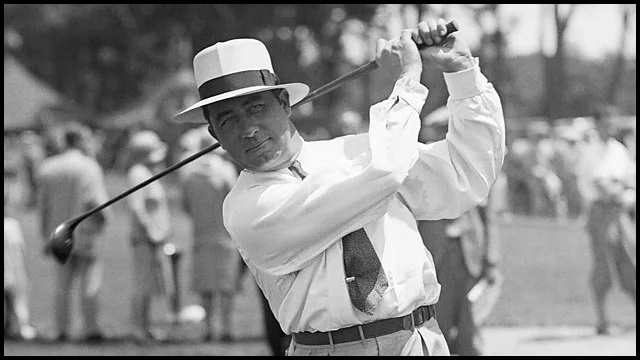
Gene Sarazen: No. 11
Keep an eye out for Greats of the Game Volume III, where we will take a look at Gene Sarazen (No. 11), Billy Casper (No. 12, Ernie Els (No. 13), Greg Norman (No. 14) and Vijay Sing (No. 15).
Major championship performance and PGA Tour wins are the biggest factors in determining where players stand in the history of golf, but making cuts and Top-10 finishes are also important for identifying excellence and consistency.
In deriving our ratings, major championship wins carry the most weight, followed by major runner-up finishes and Tour wins. Top-5’s and Top-10’s at the majors also receive strong consideration, along with wins on the DP World Tour and to a lesser degree, wins on other recognized Tours (Japan Tour, Asian Tour, etc.).
Making cuts and Top-10 finishes are calculated on the basis of percentage in relation to total starts at PGA Tour sanctioned events through age 49 (when players become eligible for the Champions Tour). Top 10 percentage is given considerable weight, and cut percentage is also a factor in the rating a player receives.
Cuts and Top-10 percentage are overstated as a measure for Snead and Hogan, because fields were limited–but this is offset by the fact that each lost prime years in their career due to WWII (they were both 29 in 1941).
While Bobby Jones is certainly among the top 5 players in history with 4 U.S. Open and 3 Open Championship titles, he chose to remain an amateur and therefore has no PGA record for reference–and is not included below.
Nicklaus: Still the Greatest
Number 1: Jack Nicklaus (361)
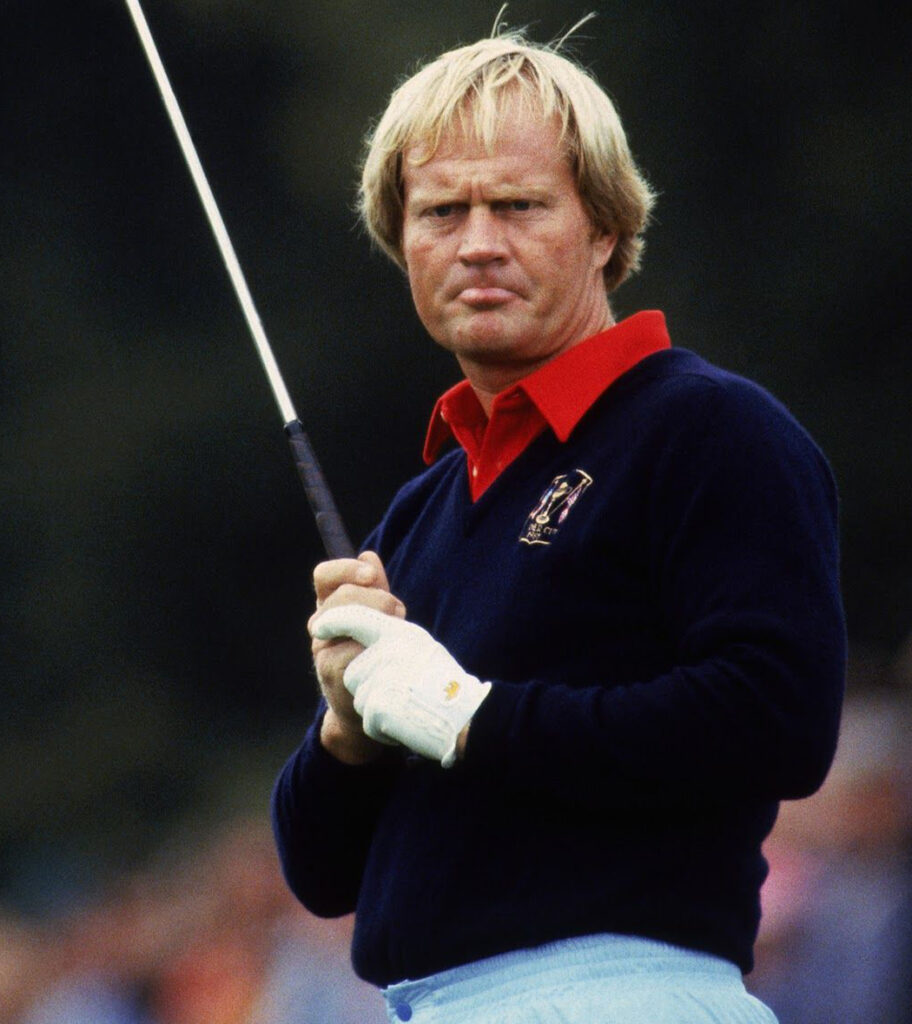
In addition to his 18 major championship wins, Jack recorded 55 Top-10 finishes at the majors (19 runner-up’s, 19 Top-5’s and 17 Top-10’s)–by far the most of any player in history. The Golden Bear also recorded 55 Tour wins along with his major championships for a total of 73, and he had the highest Top-10 percentage (60.2%) and cut percentage (93.6%) of any modern-day player.
Tiger: Closing in on Jack
Number 2: Tiger Woods (346)
Tiger is second to Jack with 15 major championship wins, a close second in Top-10 percentage (91%) and just behind Nicklaus in cut percentage as well at 54.9%. With his 67 Tour wins, Tiger is tied with Sam Snead for the most wins in history (82), and also added 8 wins on the DP world Tour. At 46 years old, Tiger still has a number of years with which to add additional wins and Top-10 finishes—so Jack’s position at No. 1 is by no means a certainty when all is said and done.
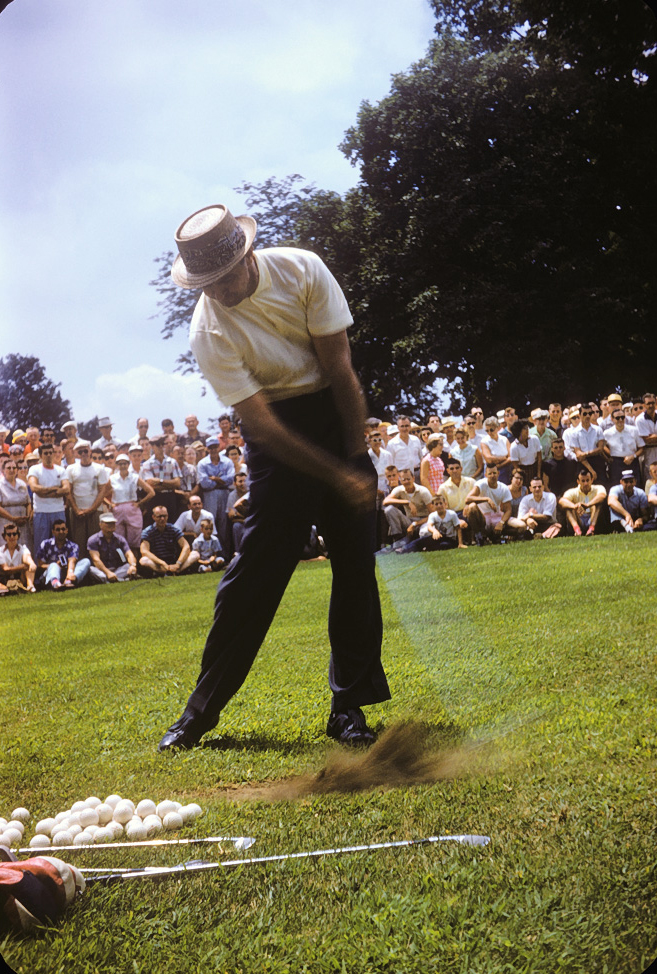
Sam Snead recorded 7 major championship victories along with 75 wins on Tour, setting the mark of 82 total wins (tied by Tiger.) Snead made the cut in 391 of the 394 tournaments he entered (99%), and recorded Top 10 finishes in 75% of those events. When you include 8 runner-up finishes, 15 Top-5’s and 18 Top-10’s at the major championships, Snead comes up at No. 3—just behind Tiger.
Ben Hogan won 9 major championships along with 55 PGA events. He made the cut in 97.8% of the tournaments he played, and finished in the top 10 close to 80% of the time. After his near fatal auto accident in 1949 at age 36, Hogan never played more than 6 tournaments in any year—yet won 6 more major champions and recorded an additional 15 top 10’s at the majors (including 4 runner-up’s).
Number 5: Arnold Palmer (265)
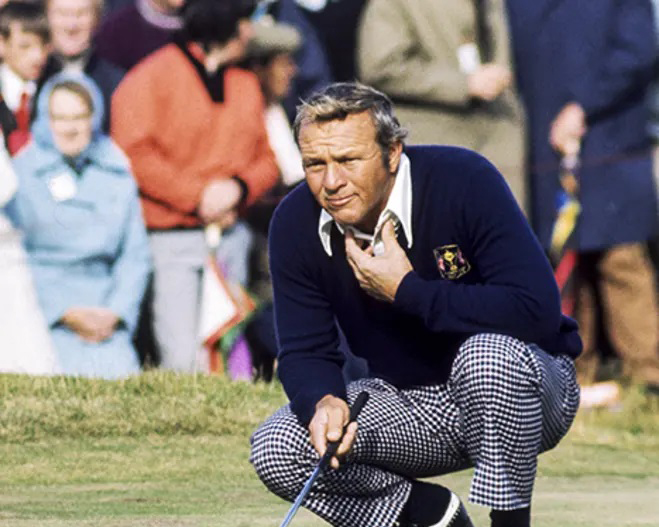
Arnie’s career spanned 55 years from 1949 through his last appearance at The Masters in 2004, and while Tiger has had a huge impact on the popularity of golf in the last 25 years, Palmer brought the game to prime-time—and set the stage for the global appeal that golf currently enjoys. And he was perfect for the role. Photogenic with a big personality, tremendous power and ability combined with a go-for-broke style of play that endeared him to millions—commonly known as “Arnie’s Army.”
Throughout the course of his career, Arnie won 7 major championships and recorded 55 wins on tour. When Jack burst onto the PGA Tour in 1962, Palmer was still in his prime at 32 years and had just won The Masters and The Open Championship—and while Arnie added only one more major win (1964 Masters), he recorded an additional 7 major runner-up’s and 7 Top-10’s through 1970.
Palmer also made the cut in 90% of the tournaments he entered, with a Top-10 percentage of 43.5%.
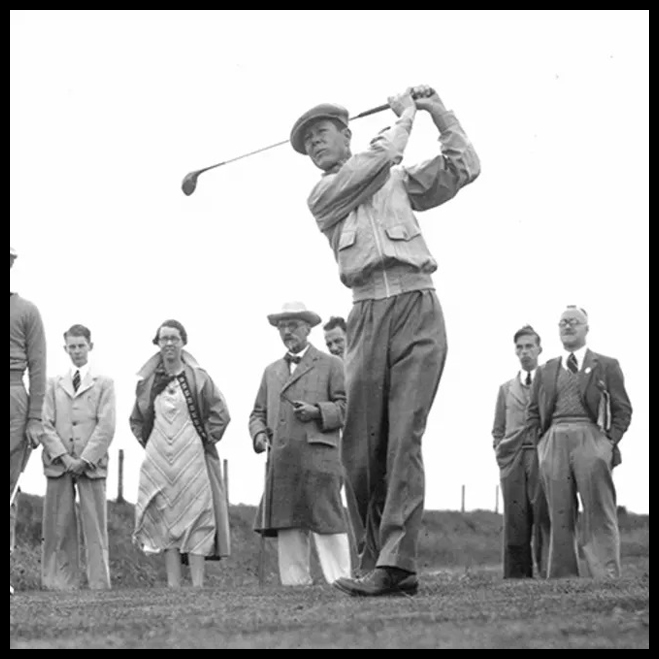
Byron Nelson: No. 6
Keep an eye out for Greats of the Game Volume II, where we will take a look at Gary Player (No. 6), Byron Nelson (No. 7), Walter Hagan (No. 8), Phil Mickelson (No. 9) and Tom Watson at No. 10.
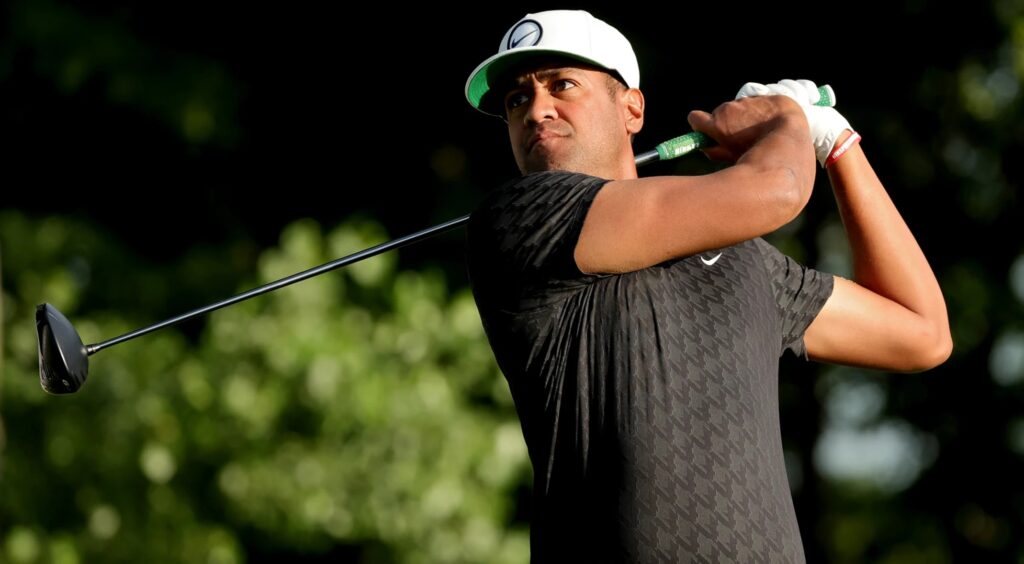
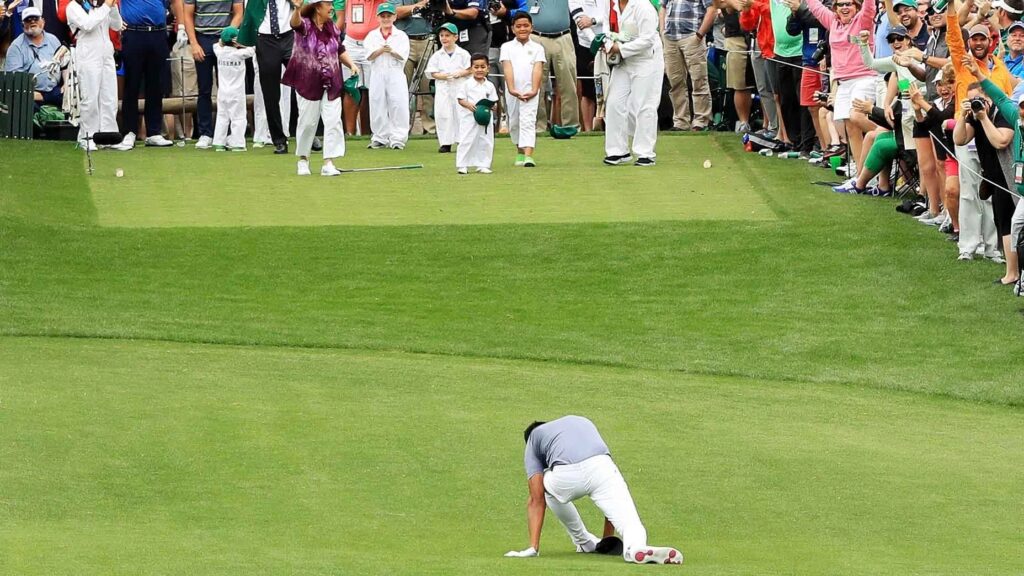
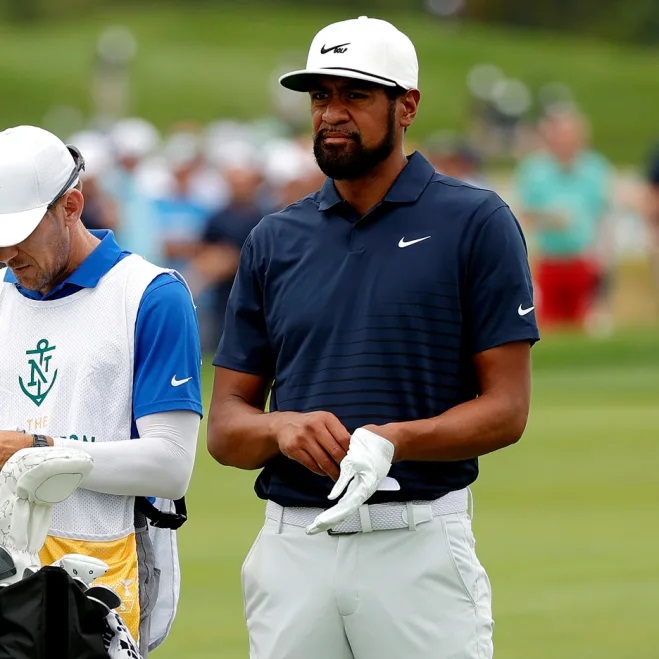
Tony Finau: Back-To-Back wins at 3M and Rocket Mortgage
Tony Finau cruised to victory last week at the Rocket Mortgage Classic, giving him back-to-back wins after his dominant performance at the 3M Open the previous week. His latest win (and 4th on tour), included rounds of 64, 66, 65 and 67—5 shots clear of the field, and a new tournament record score of 26 under par.
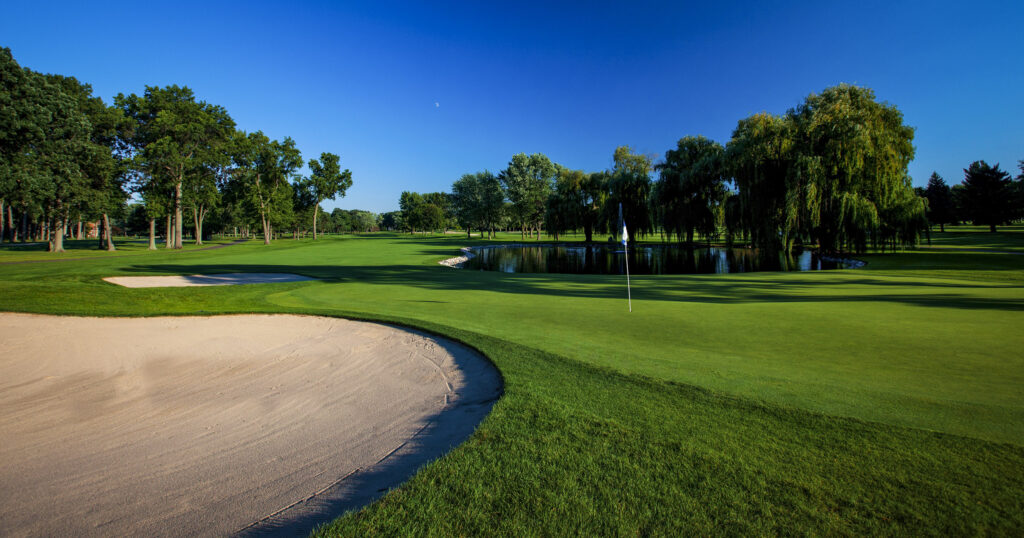
It’s been 3 years since anyone has won consecutive events on the PGA Tour (Brendon Todd did it back in 2019), and Tony’s accomplishment couldn’t have come at two courses that were less alike. The venerable Detroit Golf Club (Rocket Mortgage) was founded back in 1899 and features a classic Donald Ross design, while TPC Twin Cities (3M) is an extremely demanding Palmer design built in 2000. That tells you Finau can win anywhere, on any track, when he’s driving the ball consistently and making a few putts—because there are not many on Tour with his kind of power.
Detroit Golf: Donald Ross Design
Breaking the Jinx
Since Tony’s first full season back in 2014-15, he’s been among the best on tour, making the cut in almost 80% of the tournaments he enters, while averaging 7 Top 10’s a year (and he’s recorded 10 Top 10’s at the major championships). But wins had been illusive—until now. Some believed it was due to the Puerto Rico Open jinx (Tony’s first Tour win was in Puerto Rico), because for a long time only Michael Bradley (the ’09 winner) was able to win again on tour after winning there (and his only other win was in Puerto Rico in 2011). Victor Hoveland (the 2020 winner) first dispelled the jinx by adding a win in 2021 at Mayakoba, and then Tony broke the jinx as well with his win at the Northern Trust in 2021—but notching two wins in a row should put an end to the jinx forever.
The Early Years
Tony was born on September 14, 1989 in Salt Lake City, Utah, and golf first grabbed his attention when he was 7 years old and Tiger burst onto the scene, winning 2 of the first 8 tournaments he entered. Picking up a copy of Nicklaus’ “Golf My Way,” he and his father (who had no knowledge of golf) set about learning the fundamentals of the game. His talent became immediately apparent, and with the support of his mom and dad he played junior tournaments throughout the state, ultimately winning the 2006 Utah State Amateur Championship at just 16 years old.
Although he was offered scholarships to play college golf at Stanford and BYU, and he was sought after to play basketball at Utah State and Webber State, Tony decided to turn pro at 18 and began playing various mini-tour events to get right into the action. In 2009 Finau got his first break—literally—when he landed a place on Golf Channel’s hit show “Big Break.” Although he finished second, golf fans were able to get their first look at Tony’s immense power—and with his grit and determination, it was only a matter of time before he would bring his talent to the PGA Tour.
In 2011, however, Tony’s golf career was put on hold when his mother was tragically killed in an automobile accident. Raised in a close-knit family, the loss of his mother hit him hard and it was almost a year before he could resume competitive golf.
By 2013 he was back, competing on the Canadian Tour where he made the cut in 7 of 8 events including 2 Top 10’s. And in 2014 he qualified for the Korn Ferry Tour, making the cut in 19 of 23 events with 5 Top 10’s including a win—and earned his PGA Tour card for the 2014-2015 season.
PGA Tour
In his first year on Tour Tony racked up 5 Top-10 finishes, including a T10 at the PGA Championship and a T8 at The Memorial. In 2016 he recorded his first win at the Puerto Rico Open, and in 2017 Tony made the cut in 24 of 29 events with 8 Top-10’s and the first of his 5 consecutive trips to the Tour Championship (where he finished with a T7).
Perhaps one of the most defining moments of Tony’s career came at the 2018 Masters, when he dislocated his ankle following an ace at the par 3 tournament on Wednesday, popped it back in, and proceeded to record a T10 with a closing 66 on a purple foot that looked like something from a horror film. At the 2019 Masters Tony shared the 54 lead and played in the final group with Tiger, fulfilling a life-long dream while getting a front row seat of history in the making, as Woods recorded his 15th major championship victory (Tony played well amid the frenzied gallery, posting a final round 72 while finishing 2 stokes back for a T5).
2018 Masters: Tough as Nails
With his back-to-back wins Finau has moved to No. 13 in the World Golf Rankings, and his game could not have rounded into top form at a better time as the FedEx Cup playoffs get under way in two weeks. Tony has made it clear that he has no intention of jumping at the money offered by LIV, and with nearly $3 million in earnings from the last two weeks alone, its seems that his decision was sound from a financial standpoint as well.
Finau Ready for FedEx Cup Run
Tony now holds the No. 7 position in the FedEx Cup standings, just behind Rory McIlroy, and the way he’s playing it would be a surprise if he didn’t move up even further—with the $18 million first place check waiting at the end of the rainbow.
And it couldn’t happen for a more deserving young man.
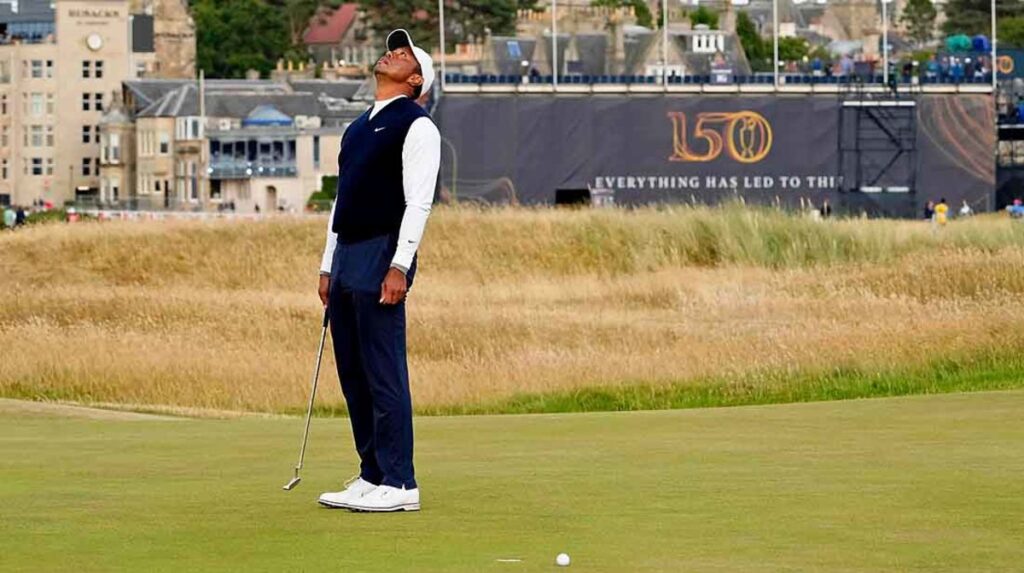
Watching Tiger walk the fairway at the final hole on the Old Course at St. Andrews, where he received a rousing tribute at a place where golf history has been made for centuries, brought back images of Nicklaus when he made his last appearance at The Open in 2005.
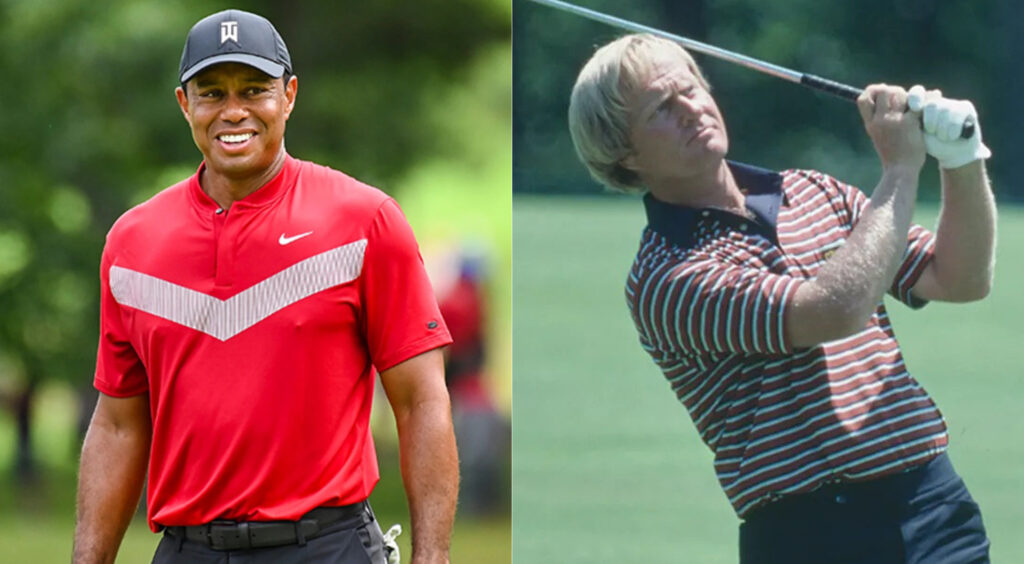
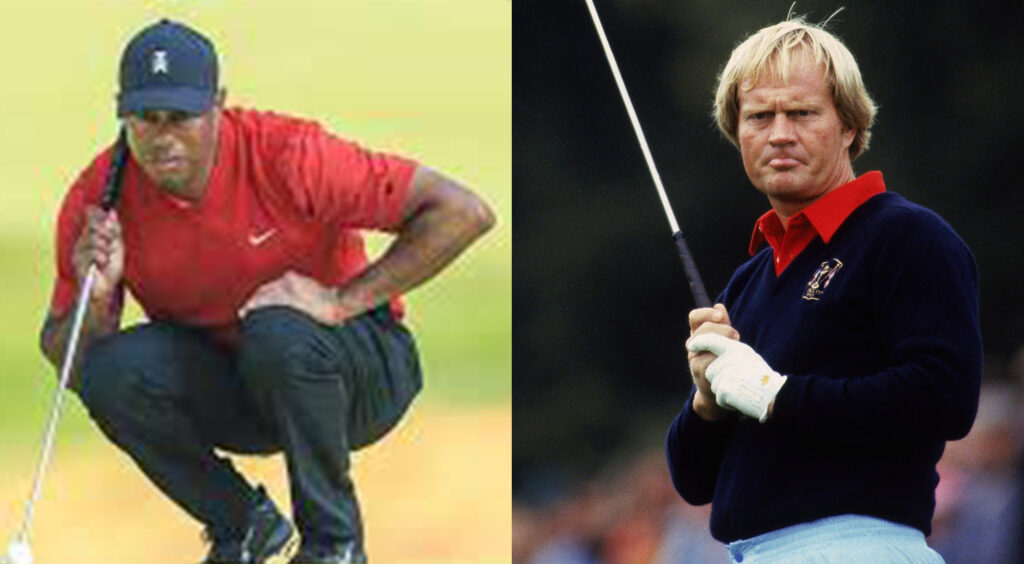
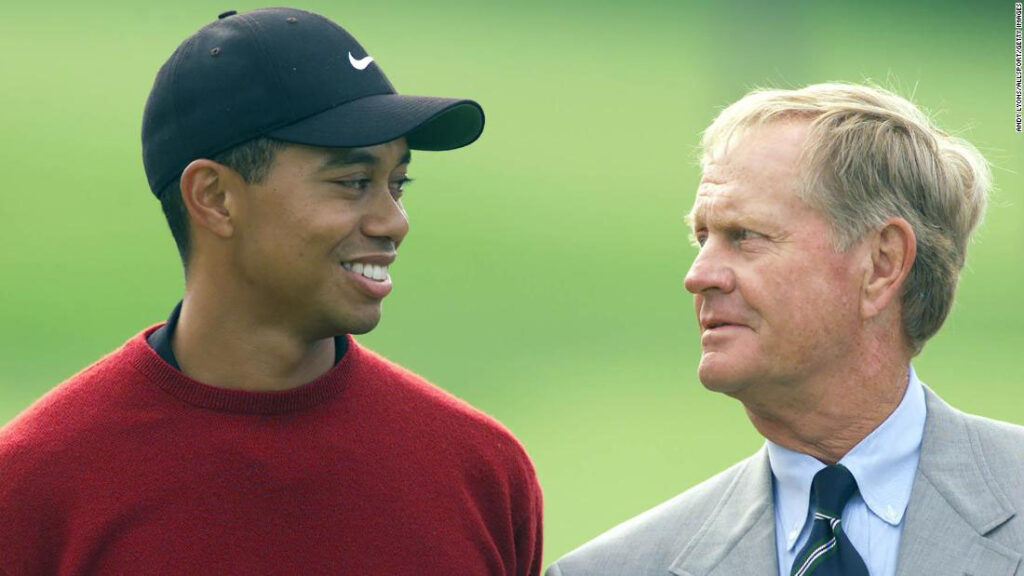
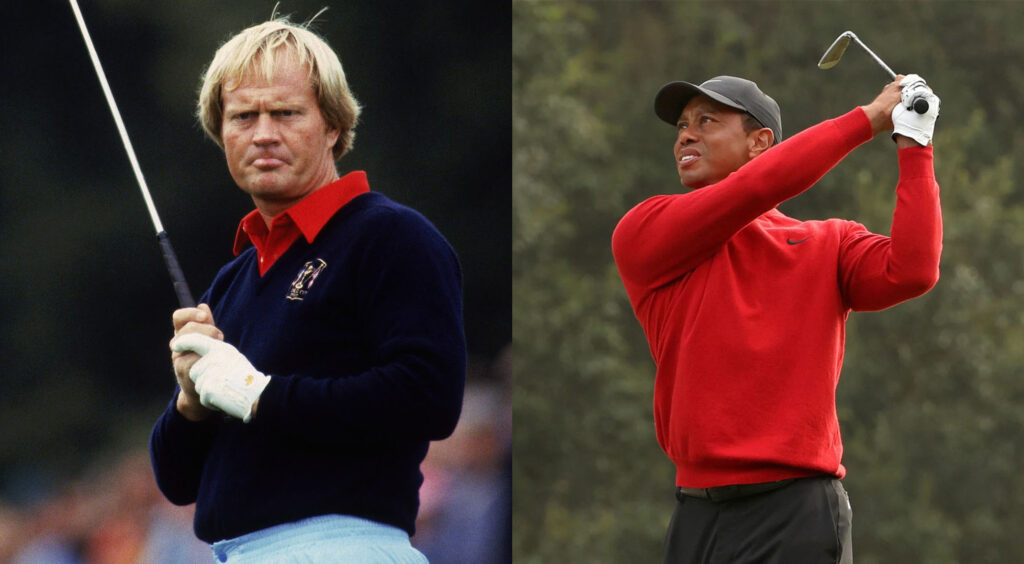
While the 2022 Open may not be the last for Tiger, it seems an appropriate moment to look at the greatest two players in the history of golf side by side—and the similarity is striking.
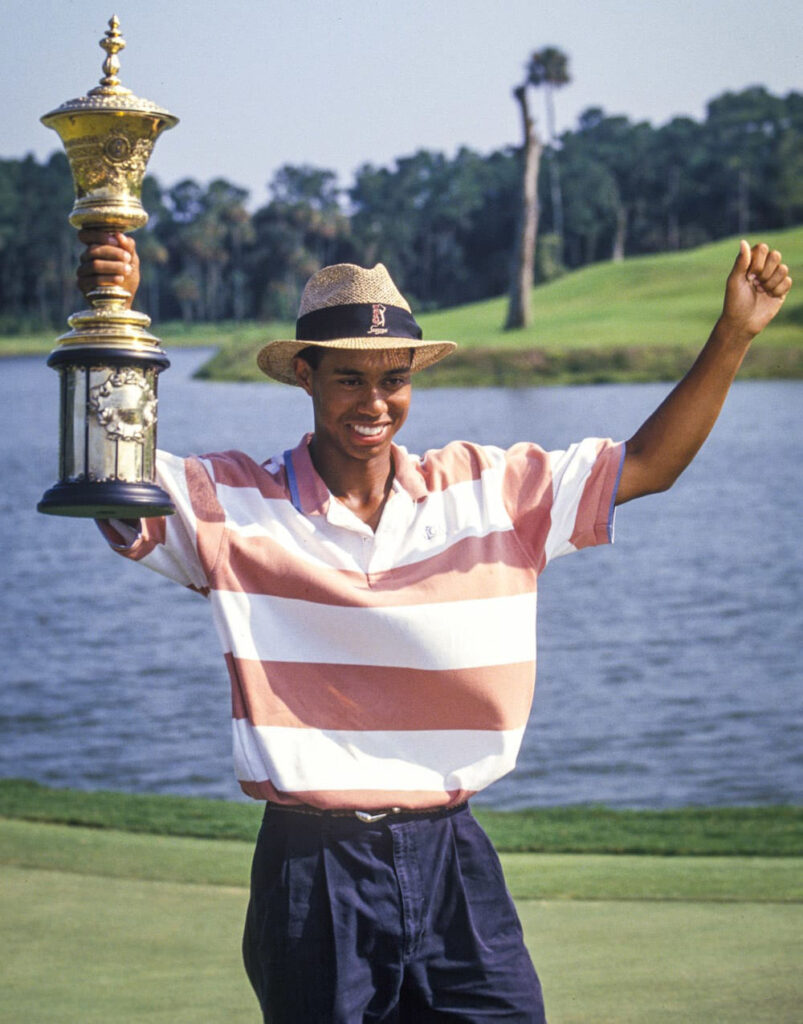
Tiger’s eventual induction to the World Golf Hall of Fame was inevitable from the moment he burst onto the golf scene, as he surpassed Jack with three U.S. Amateur titles (1994-1996), while Jack won only two, losing in the quarter-finals in 1959. Under the carefully scripted guidance of Earl Woods, the father whom he deeply loved and admired, Tiger’s arrival on Tour had been long anticipated (most everyone has seen the famous clip of Tiger, at two years old, putting against Bob Hope on the Mike Douglas Show).
For Tiger though, it was always about Jack. Unlike every other sport, in golf there was never a debate about the best ever—hands down it was Nicklaus. And since Tiger’s goal from when he first picked up a club was to be the greatest ever to play the game, then Jack was the man to beat.
As a boy, Tiger had a list of Nicklaus’ amateur accomplishments hanging on his wall, with Jack’s age when each was achieved. Nicklaus was 17 years old when he first stepped onto the stage at the 1957 U.S. Open, and Tiger made his debut at 16 (the 1992 Nissan Open)—becoming the youngest ever to compete in a PGA Tour event. Expectations were sky high for Tiger as an enormous gallery gathered to follow him, and he also got a glimpse of the future, as the media hounded him relentlessly while exiting the eighteenth green when he completed his first round.
Tiger wins first U.S. Amateur
Amateur Careers
Pushing himself to stay ahead of Jack, however, would be no easy task. In ’93, when Tiger was 17, he entered three PGA Tour events, but missed the cut in each by a wide margin. At 18 he entered three more PGA tournaments, once again missing the cut in each. Jack, at 18, played two events—the U.S. Open (missing the cut), and the Rubber City Classic, where he made the cut and finished in a tie for 15th. Tiger needed to kick it up a notch.
In 1995 at age 19 he did just that—making his first ever cut at a PGA sanctioned event, and ironically it was The Masters, where his star shines the brightest. Jack, at 19, played seven Tour events, including the Masters and U.S. Open, missing the cut in both, but making the cut in all five regular Tour events, including a T12 at the Buick Invitational. But for Tiger and Jack, it’s always all about the majors, so Tiger had nudged ahead.
In ’96, at 20 years old and still an amateur, Tiger entered three tournaments–The Masters, U.S. Open and The Open Championship. He missed the cut at The Masters, but made the cut at the U.S. Open, and tied for 22nd at The Open Championship. In 1960, when Nicklaus was 20 and still an amateur, he also entered three tournaments–the Masters (tied for thirteenth), the U.S. Open (where he famously finished second to Arnie at Cherry Hills), and the Buick Open (making the cut). Again, Tiger would need to elevate his game to stay ahead of Jack, and once again he did exactly that—but with a different approach.
Nicklaus retained his amateur status through his 21st birthday in 1961, recording a T7 at The Masters and a T4 at the U.S. Open, while entering five regular tour events—and making the cut in each (including a T6 at the Milwaukee Open.)
Tiger, on the other hand, decided to turn pro at 20 following the ’96 Open Championship, and immediately dominated the Tour. He made the cut in all eight tournaments he entered, including 2 wins (The Vegas Invitational and The Oldsmobile Classic), a T3 at The Texas Open, T5 at The Quad Cities, and finished up with a trip to The Tour Championship.
For Tiger, his early challenges against seasoned tour pros served only to deepen his resolve, intensify his focus, and set the stage for an assault on the record book that Nicklaus had rewritten. And while Tiger and Jack have much in common, including tremendous power, uncanny putting, and the ability to hit towering long irons and destroy Par 5’s, what sets them apart from all others is a monumental will to win. Who can forget Tiger’s putt on eighteen at Torrey Pines in the 2008 U.S. Open, where he fought through seventy-two holes with a fractured leg and torn ligaments in his knee to defeat Rocco Mediate. Or the putt Nicklaus holed on seventeen at The Masters in 1986, when he fired a back nine 30 on Sunday to win his final major at forty-six years old.
The Chase
Both Tiger and Jack won their first major championship at 22 years old (the ’62 U.S. Open for Jack and the ’97 Masters for Tiger). While in his twenties, Tiger won eight Major’s, including four in a row (the famous “Tiger Slam”) beginning with the 2000 U.S. Open through the 2001 Masters, putting him ahead of Jack’s pace (Nicklaus won seven majors in his twenties).
Curiously, both Jack and Tiger went into a lull at exactly the same time, as neither recorded a major win at 28 and 29 years of age. But Tiger came out of it faster, with four major wins between ‘05 and ’06, giving him a total of 12 major championships at 31 years old, while increasing his margin to 3 over Jack, who had 9 majors at 31.
Tiger added 2 more majors in ‘07 and ‘08, giving him 14 major championship wins at 33 years old as he headed into the 2009 season. Jack had picked up 3 majors between ’72 and ’73, giving him a total of 12 at age 33— so Tiger held a comfortable lead as he prepared to make his final assault on Jack’s record.
Tiger Struggles
The Struggle
Following his incredible win at the 2008 U.S. Open, Tiger underwent surgery to repair the ruptured tendons in his knee, and missed the rest of the season. But with intensive rehab, he was back for the ’09 season and looking like the Tiger of old. He recorded six wins including top 10’s at the Masters and U.S. Open, and a runner up at the PGA Championship. As the season came to a close it seemed certain that he would break Nicklaus’ record for major championship victories.
The runner-up finish at the ’09 PGA, however, would prove to be a turning point, the beginning of what became a long and difficult struggle for Tiger. He went into Sunday as the leader by two shots over Y.E. Yang and Padraig Harrington, having never yielded the lead at a major going to the final round. On this day, however, the clutch putts that had always been Tiger’s trademark failed to fall, and Yang charged past him to take the championship. The veil of invincibility had been lifted.
Within months his world was rocked again by reports of marital infidelity, his pristine image pummeled by the media as past transgressions came flooding out. Shortly thereafter his wife filed for divorce, and sponsors began to abandon him. While Tiger had been able to overcome physical injury, and even the loss of his dad in 2006, the steely mental toughness that defined him had taken a major blow, and he failed to record a single win in 2010 and 2011.
Mounts his Comeback
The Come Back
As the 2012 season got under way Tiger picked himself up, and at 37 years old he was determined to continue his pursuit of Jack. With seventy-one tour wins, he was only two behind Nicklaus, and even though he hadn’t won a major since 2008, he was still on pace to challenge Jack’s record for major championship wins (Jack also had fourteen majors at 37). Tiger recorded three wins in 2012 to pass Nicklaus in regular Tour titles, and added five more in 2013 to put some distance between them. Unfortunately, though, he was unable to take any of the majors (his best finishes were a T3 at the Open Championship in 2012, and a T4 at the Masters in 2013), so for the first time, at 39 years old, Tiger was behind Jack’s pace in his quest for the major championship record (Jack had recorded 15 major wins at age 39).
Tiger Fights Through Injury
The Pain
And then Tiger’s back blew up. It started toward the end of the 2013 season when he was hit with severe back spasms at The Barclays, just as the FedEx Cup playoffs were getting under way. Somehow, he was able to finish second, and make it through the final weeks of the season to the Tour Championship, but the writing was on the wall. Even after a few months of rest and rehab, the pain was only getting worse. Tiger tried to push through it as the 2014 season got underway, but was forced to withdraw from the Honda in early March and underwent his first back surgery shortly thereafter, announcing that he would miss the Masters (and he would miss the U.S. Open as well).
Determined to compete at the remaining majors, Tiger came back for the Open Championship and the PGA, but it was clear that the surgery had been unsuccessful, and even his indomitable will just wasn’t enough. Finishing well back at The Open, and then missing the cut at the PGA Championship, Tiger shut it down for the remainder of the season, opting for rest and rehab once again—but the pain would not subside.
In 2015 he tried to fight his way through once again, but was only able to tee it up 11 times, with his best finish a T17 at the Masters, while missing the cut at the other three majors. And so, at age 40, Tiger found himself 3 behind Nicklaus’ pace for the record in major championship wins (Jack recorded his seventeenth at 40).
Tiger made a decision to have a second back surgery in September, followed by another procedure barely a month later, and the 2016 season was completely lost. When he tried to return in 2017, his back broke down again, leaving him only one alternative for resuming his pursuit—a fourth surgery, this time spinal fusion, and the loss of yet another full season.
Tiger Wins Fifteenth Major Championship
The Resurrection
Most people would have given up at that point, but Tiger is not most people. After the surgery he dedicated himself to an even more rigorous rehab, and returned for the 2018 season ready to go. In 18 events he finished in the top ten 7 times, including a T6 at the Open Championship and a runner-up at the PGA, and then capped off the season with a win at the Tour Championship. But he had failed to move closer in his goal of reaching Jack’s record for major championship wins.
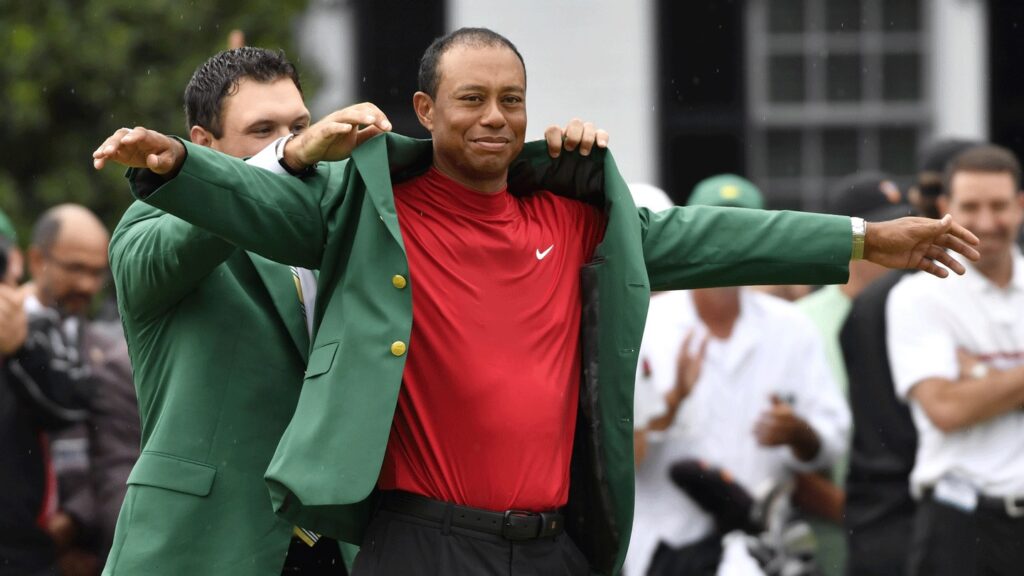
And then Tiger won The Masters in 2019, his 15th major title (and 5th Green Jacket), so at 44 he had suddenly moved back to within two of Nicklaus’ pace (Jack had recorded 17 major wins at 44, with his 18th and final major championship coming at age 46).
As the 2020 season got going Tiger came out strong with a T9 at The Farmers, held each year at Torrey Pines where he had won the 2008 U.S. Open. It looked like Tiger would make his presence felt in a big way at the 2020 major championships when suddenly the pandemic hit, putting the Tour season (and Tiger’s pursuit) on hold. By the time the world began opening up again, only two major championships could be held—The PGA, where Tiger recorded a T37, and the U.S. Open (that had been moved to September), where Tiger missed the cut.
As everyone knows, Tiger was involved in a horrendous automobile accident in February 2021, suffering massive leg injuries from which he is making a slow but steady recovery. At 46, it may appear that Tiger’s chase to match or surpass Jack’s major championship record is over.
Counting Tiger out, however, is never a good idea. You can be sure he has no intention of walking into the sunset just yet, and he’ll be back giving it everything he has. As the saying goes, “if there is a will, there is a way,” and Tiger has proven again and again that there is no one with a greater will to win.
Tiger and Jack
The Recap
With 82 PGA Tour victories, Tiger has surpassed Jack at seventy-three, and matched the record held by Sam Snead. And his 15 major championship wins are second only to Jack’s 18. Regardless of whether Tiger comes back to win another major or breaks Sam Snead’s record for Tour wins, the sports world now has a fierce debate as to the greatest golfer of all time.
Tiger holds 3 U.S. Amateur Championships to Jack’s 2, while Jack holds 18 Major Championships to Tiger’s 15, but Tiger won 82 tour events to Jack’s 73. Some may point to Jack’s overall record at the majors (Nicklaus finished in the top five 56 times, while Tiger recorded 33 Top-5 finishes), and others may say that Tiger faced much deeper fields throughout his career than did Jack.
Much of Tiger’s prime was lost to injury as well, and there is little doubt that he would have matched or surpassed Jack’s major championship win total had he remained healthy. Illness and injury have impacted the careers of great athletes throughout history, however. Lou Gehrig recorded 2,721 hits and had 493 home runs when he was diagnosed with ALS on his 36th birthday. And Bo Jackson, who likely would have been recognized as the greatest athlete in the history of sport, suffered a career ending injury at age 29 (he was selected for both the MLB All-Star team and NFL Pro Bowl—the only athlete ever to accomplish that feat).
Tiger has created a legacy of greatness that is simply remarkable, and while he may fall just short of his ultimate goal all those years ago, he has allowed us to witness golf history in the making— and don’t be surprised if he doesn’t find a way to keep Jack in his sights.
As The Open headed into the back nine on Sunday at St. Andrews, the engraver prepared to etch Rory McIlroy’s name on the Claret Jug. McIlroy stood at 17 under par, having opened up a 3 shot lead over young Victor Hoveland, and he was in complete control of his game. Rory had already recorded a runner-up at the Masters, T8 at the PGA and a T5 at the U.S. Open—and it seemed a certainty that his long awaited fifth major championship was at hand.
Anything can happen, however, on the back-nine of an Open Championship on Sunday, particularly at St. Andrews.
St. Andrews: The Old Course
When a thunderous cheer suddenly erupted from the 11th green, the name to be inscribed on the oldest Trophy in golf would have to wait a bit. Cameron Smith had just rolled in another putt, making consecutive birdies to get within 2 shots of McIlroy. Rory was on cruise control, bombing drives and hitting greens—but making no putts (his only birdie on the back nine came when he drove the green on 10, and 2-putted for a 3). Cam Smith, on the other hand, was making everything. At the 12th hole he drove it to the very front of the green, leaving a difficult eagle putt from over 70 feet—and drained an 11-footer for birdie to pull within 1 shot of Rory. On the 13th, Cam rolled in another birdie, this time from nearly 20-feet, to pull even with McIlroy at 18 under par. And on the Par 5 14th hole Smith completed a stretch of 5 consecutive birdie’s by knocking in a 5-footer that brought him to 19 under par, and the outright lead.
Rory: Top 10 at Four Majors in 2022
The Magic
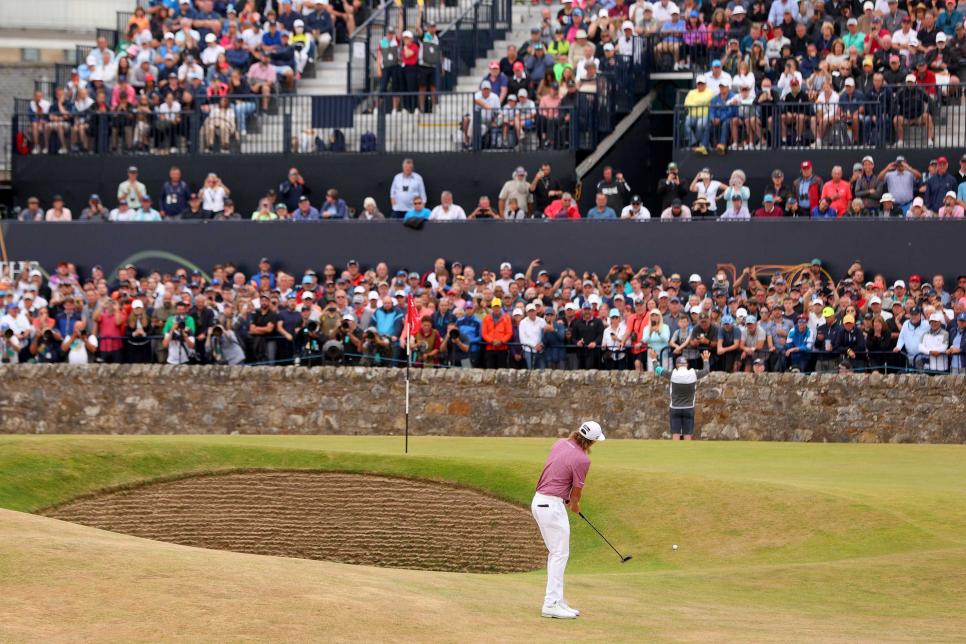
The championship hung in the balance as Smith reached number 17, the famous “Road Hole,” still clinging to a 1 shot lead. A poor approach left him just under the steep faced bunker guarding the front left of the green, and the pin was tucked just behind it. With brilliant touch and steel nerve Cam pulled the putter once again, and using the contour surrounding the bunker, was able to give himself an opportunity to save par from 10 feet—and then calmly knocked it in.
The 18th hole of the Old Course at St. Andrews is reachable with a well-struck tee shot, and one of the most exciting finishing holes in golf. While all eyes were on Rory, however, a powerful young phenom, 25-year-old Cameron Young, had quietly moved back into contention, pulling within 2 shots of Smith’s lead—and they were playing together in the second to last pairing.
After Smith hit a solid tee shot just short of the green, Young unleashed a bomb that settled pin-high with a very makeable eagle opportunity from just 17 feet—a putt that would draw him even with Smith at 19 under and force a playoff. Cam was also fully aware that Rory, still only a shot back at 18 under, was likely to reach the green at 18 and have an opportunity for eagle, or a 2- putt birdie that would move him to 19 under as well.
Facing a 75-foot putt up the slope with a sharp right to left break and maximum Open pressure, Cam smoothly rolled his ball to within 3 feet, where he tapped in to finish at 20 under par, a shot ahead of Cameron Young (who indeed made his eagle putt to finish at 19 under). When Rory failed to eagle the last, Cam added his name to the illustrious group who have won The Open on the Old Course, while setting a new scoring record at St. Andrews.
Cam Smith
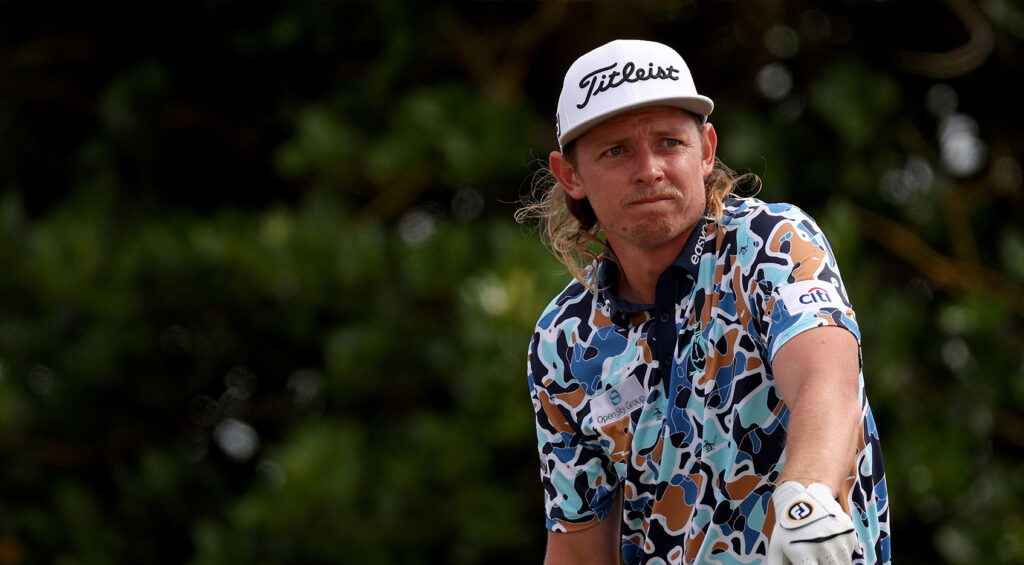
His Open Championship victory is the latest in a breakout year for Cam. He won the Players back in March, and followed that up with a T3 at the Masters, a T13 at the PGA and a T13 at the Memorial. Ranked 7th on Tour in putting, I suppose it should not have been much of a surprise to see him roll it so beautifully at St. Andrews, but when you consider the venue and the pressure of closing at a major, it was a truly spectacular performance.
At 28 years of age, Smith has always carried himself with the confidence and swagger of a PGA Tour veteran. And with 5 Tour wins, including a major championship and Player’s Championship under his belt, Cam is in position to secure a place in the World Golf Hall of Fame—and the putter to make it happen.
Cameron Young
At 25-years old, in only his first season on Tour, Cameron Young will be a force on the PGA Tour for many years to come. In addition to his gutsy runner-up finish at The Open, Young recorded a T3 at the PGA back in May, runner-up finishes at The Genesis and Wells Fargo Championships, and T3’s at both the RBC Heritage and Sanderson Farms Championships.
Cameron Young: Power and Putting
While Young’s primary weapon is the driver (currently ranked 6th in distance from the tee at 318 yards), Cameron is lethal on the greens as well (8th on Tour in putting). That’s a powerhouse combination, and will make him a man to keep an eye on as the season rolls toward the FedEx Cup playoffs.
LIV
The LIV contingent made their presence felt at The Open, erasing a mediocre performance at the U.S Open, and no doubt bringing a smile to Greg Norman’s face. 10 of the 23 LIV players who competed at The Open made the cut, with Dustin Johnson (-13) and Bryson DeChambeau (-12) recording Top 10’s. Abraham Ancer and Sadom Kaewkanjana both finished at -11, among the Top 20.
Their play on Sunday was particularly impressive, as both Ancer and Kaewkanjana fired closing rounds of 65, with Bryson carding a 66.
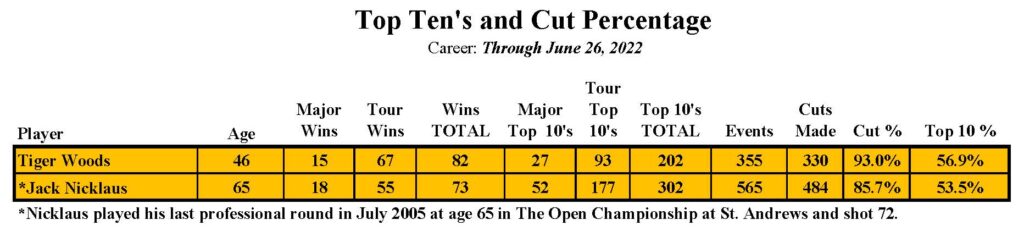
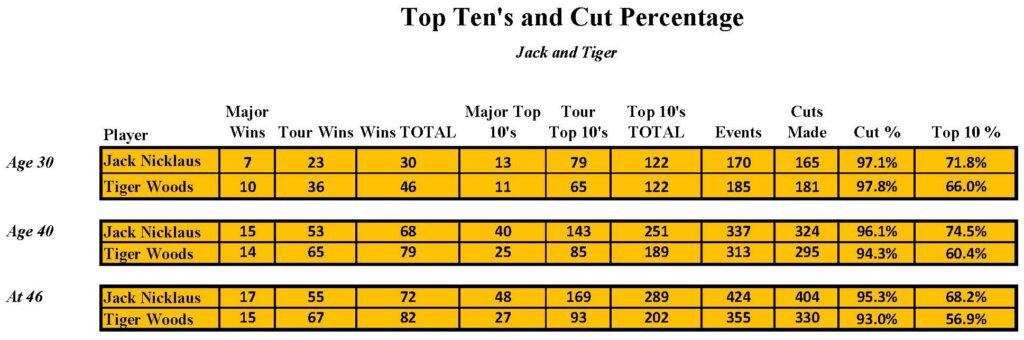
While Major Championships and Tour wins define a player’s legacy, making cuts and recording Top-10’s are the most revealing measurement of success in professional golf. Not surprisingly, Jack and Tiger set the high-water mark for these criteria as well, and they are the standard of comparison when looking at the current group of highly talented young stars.
In the graphic below, Jack’s numbers include the entirety of his career, through his retirement at age 65—and it is particularly impressive that his percentage of Top-10 finishes remains so much higher than any player other than Tiger, even when his twilight years on Tour are included.
Athletes peak at different ages, and unfortunately, injury also plays a significant role. For Jack, his percentage of Top-10’s actually increased throughout his 30’s (his Top-10 percentage was 71.8% on his 30th birthday, and 74.5% when he turned 40). Tiger, on the other hand, built the bulk of his record in his 20’s, with serious physical issues beginning to impact his play almost immediately on turning 30. He lost significant portions of the 2008, 2011, 2014 and 2015 seasons, so although Tiger’s Top-10 percentage stood at 66.0% on his 30th birthday, it fell to 60.4% when he turned 40. And then he lost the entire 2015-2016 season following another back surgery.
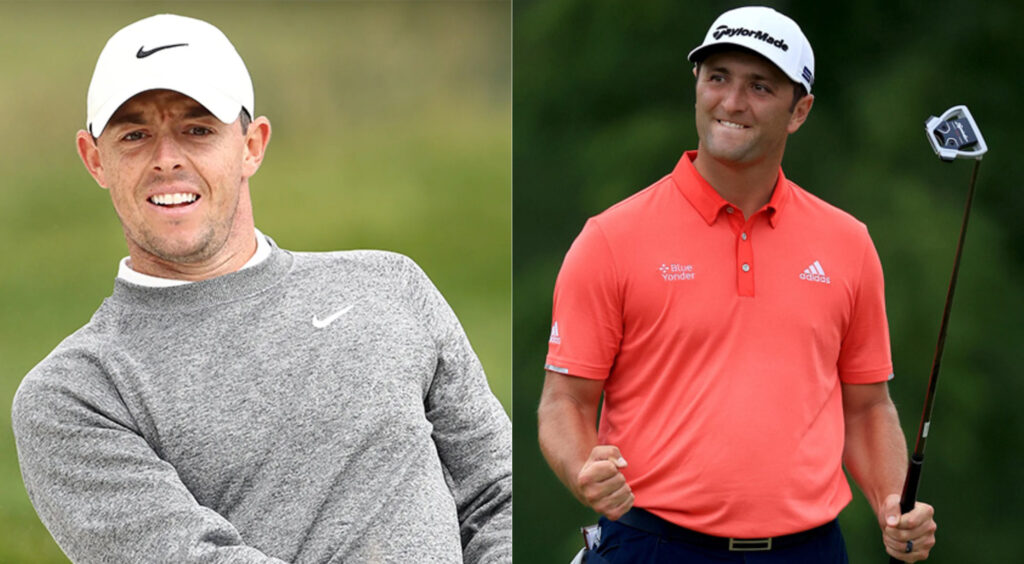
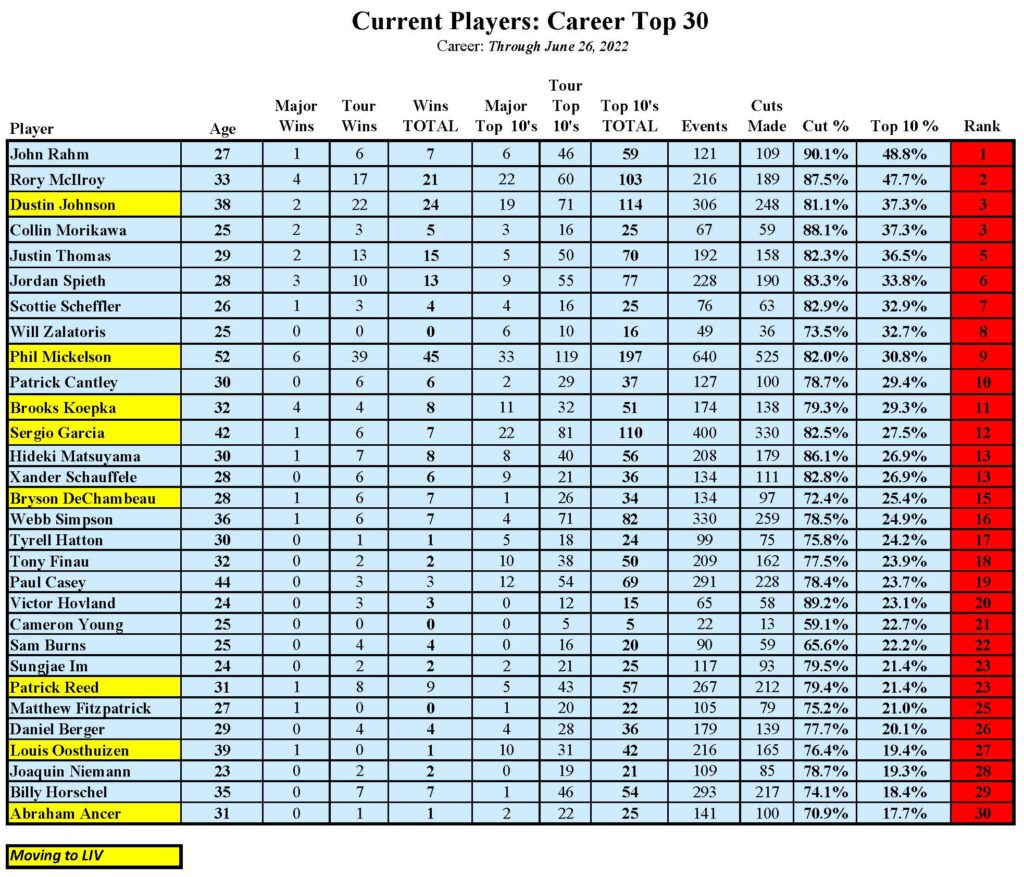
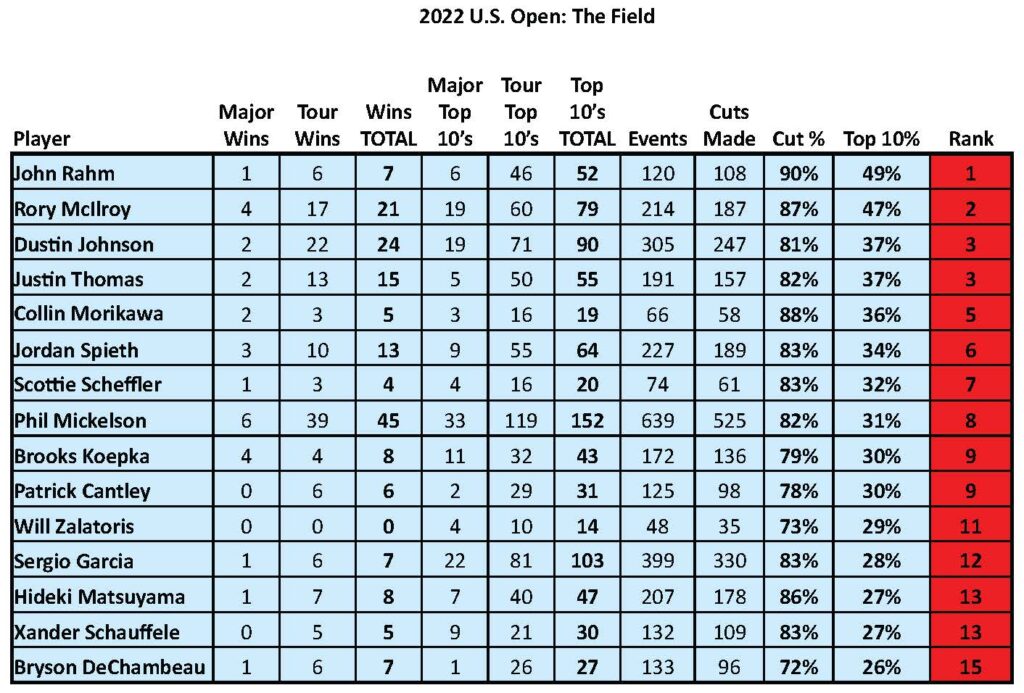
Current players are at different stages in their career, so the best way to view performance is by looking at percentages, rather than just the totals. As shown in the graphic below, there is a vast gulf in Top-10 percentage between Jon Rahm and Rory McIlroy (No.’s 1 and 2), and Dustin Johnson (No. 3).
Rory McIlroy and John Rahm: Separating themselves from the Field
Jon Rahm, at 27 years old, is only just entering the peak performance years of his career, and Rory, at 33, is at the height of his ability. Collin Morikawa, 25 years old, with the same Top-10 percentage as Dustin Johnson and a significantly higher cut percentage, has virtually his entire career before him. It will be fascinating to track the progress of the current group of talented young PGA Tour stars over the next decade and more, when viewed against the eye-popping numbers that Jack and Tiger put up.
Collen Morikawa: Two Majors at 25
Movers
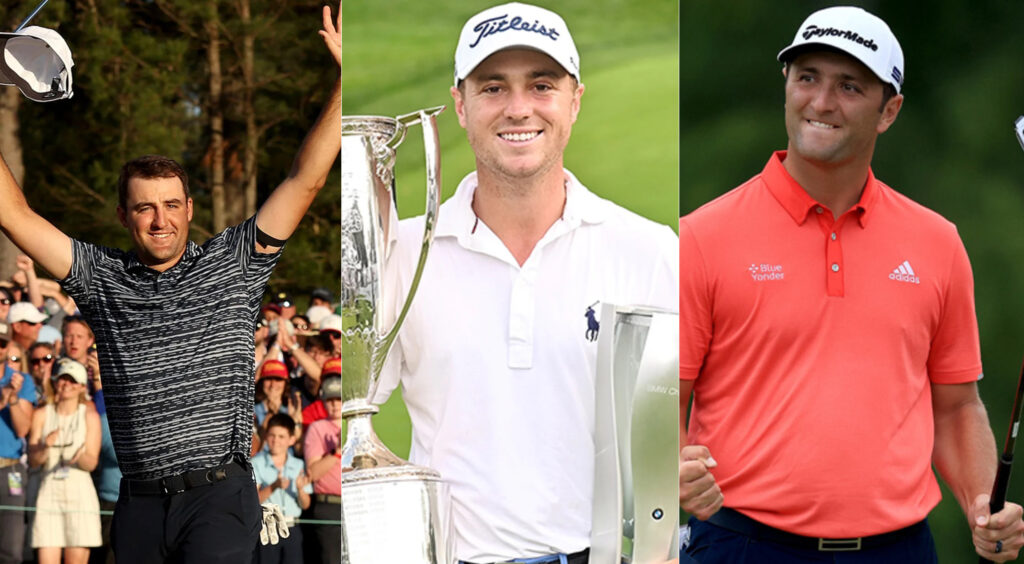
Although Scottie Scheffler has the look of a much more “seasoned” pro, he only just turned 26 on June 21. On top of his Masters victory in April, and strong performance at the U.S. Open (T2), Scottie has made the cut in 18 of the 20 events he’s played this year while recording 9 Top-10’s (including 4 wins). When The Open Championship gets underway at St. Andrews in July, it’s a pretty safe bet that Scheffler will be on the leader board come Sunday.
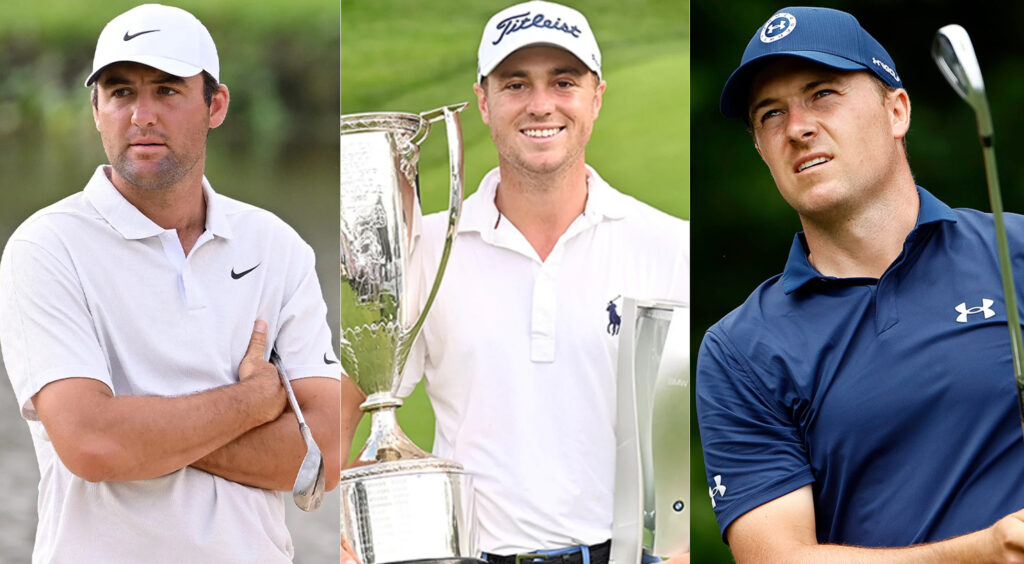
Scheffler, Thomas and Spieth: Moving the Needle
Justin Thomas and Jordan Spieth, boyhood rivals with 5 major championships between them, are both at the top of the list when it comes to making cuts and Top-10 percentage. Still in their 20’s, each is a lock for the World Golf Hall of Fame when the curtain comes down on their careers.
Will Zalatoris (No. 8), at 25 years old, has already recorded 6 Top-10’s in major championships. While he has yet to record his first Tour victory, his ball striking is second to none. Should Will begin to putt with more consistency, the possibilities are virtually limitless.
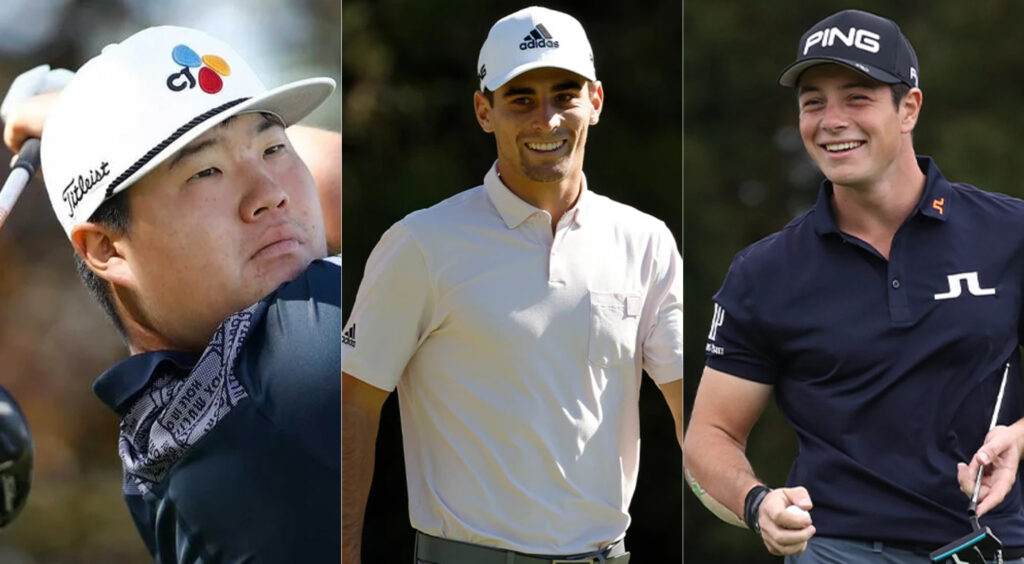
Players with Hall of Fame talent who have yet to reach 25 years of age include Victor Hoveland (No. 20), Sungjae Im (No. 23), and Joaquin Niemann (No. 28).
With so much talent currently on the PGA Tour, challenging the records of Jack and Tiger would seem an impossible task—but it makes for tremendous excitement week in and week out.
LIV
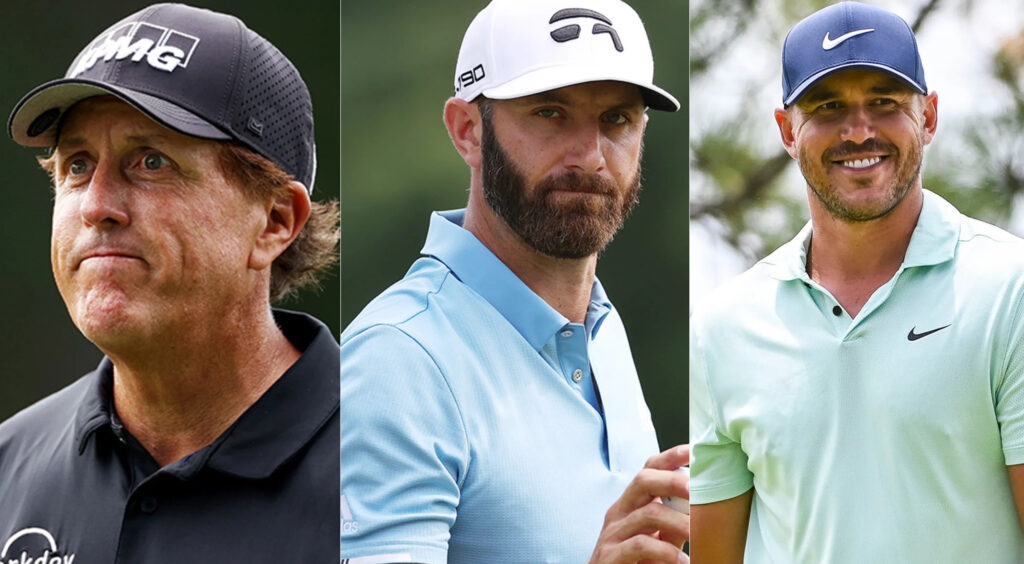
While LIV has picked off 7 of the Career Top 30, closer inspection reveals that the Tour hasn’t given up a whole heck of a lot. As a group, the PGA ex-pats played a total of 99 events in the 2021-2022 season, making just 66 cuts (66%) along with a grand total of 10 Top-10 Finishes (10%). Surprisingly, the star of the show is Abraham Ancer with 3 Top-10’s.
Mickelson, Johnson and Koepka: 4 Top-10’s combined in 2022
Perhaps it’s mostly related to age, with just one defector under 30 years old (Bryson DeChambeau). Two are soon to be 40 (Louis Oosthuizen–39 and Dustin Johnson–38), Sergio is 42, and Phil just turned 52.
Phil and Dustin have already punched their ticket to the World Golf Hall of Fame, but with only 1 major and 6 Tour wins, Sergio has become an extreme long shot (although his 22 worldwide wins give him an outside chance). Pat Reed with 1 major and 9 Tour wins, has removed himself from any consideration. Koepka, with 4 major championships, has closed out his PGA Tour career with a total of only 8 wins—so his chances of getting to the Hall are now very much in doubt.
The Saudi’s have paid a boatload of money with this venture, but the quality of their purchases have thus far been questionable to say the least.
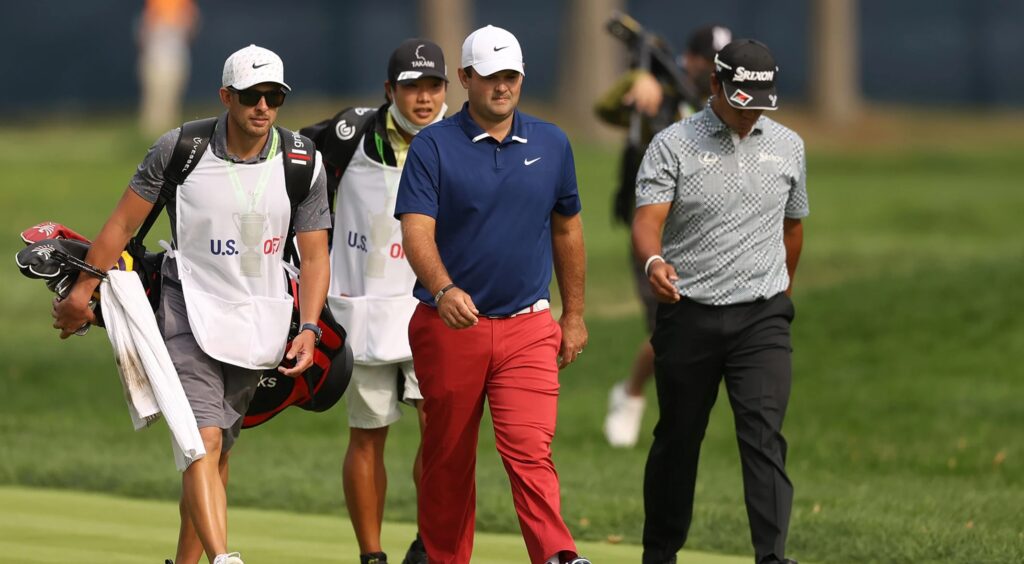
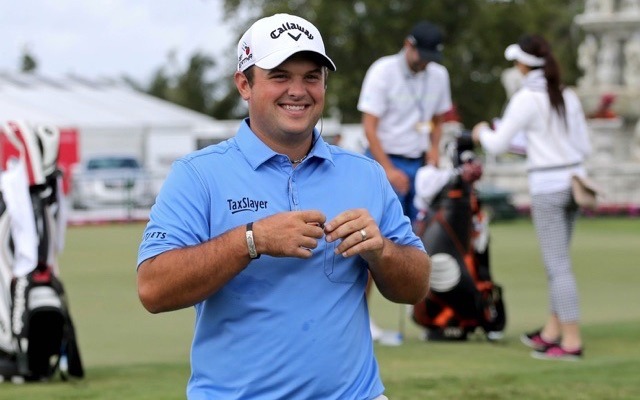
With Patrick Reed becoming the latest big name to join LIV Golf, Phil Mickelson will have to relinquish the bad-guy role he’s been shouldering thus far. Phil can only claim a few months of questionable decisions and unfortunate remarks after decades of good deed and immense popularity. Reed, on the other hand, can point to a vast resume of unsavory incidents and eyebrow-raising episodes going back a great many years.
Even the swarthy new look that Phil introduced for the LIV event in London, and the testy attitude he displayed at the U.S. Open press conference, won’t change the fact that he will eventually return to his natural nice guy habitat. And while Reed has not done or said anything recently to draw the spotlight, you can be sure it won’t be long—and the media will have an enormous reservoir of ammunition to work with.
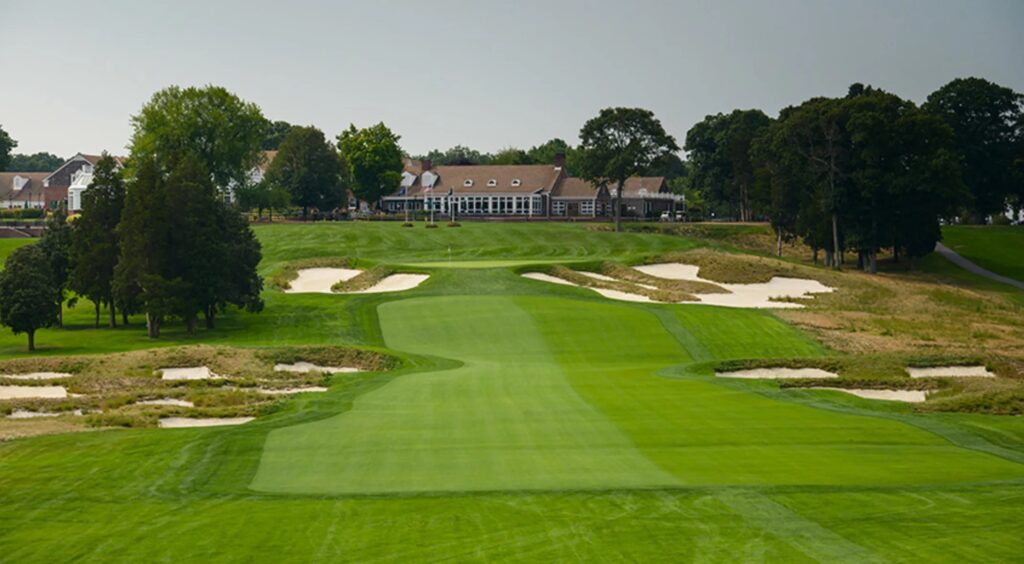
Bethpage Black, Farmingdale, NY
The Incidents
Most everyone is aware that Reed has been called out a number of times over the years for skirting the rules to improve his lie and gain an advantage on the field. The first was in 2016 during the Barclays Championship at Bethpage, when he was faced with a 300-yard second shot from heavy rough on the long par-5 13th hole. The ball was sitting down, and it was clear that Reed would have no choice but to lay back with an iron. After placing a wedge behind the ball 4-5 times as if preparing to hit the shot, all the while depressing the tall grass, he suddenly reached into his bag and whipped out a wood—an option that was originally out of the question—and striped it down the fairway to set up a short approach. He didn’t receive a penalty, because there was no official near-by and his playing partners didn’t see it.
Peter Kostis: “By the time he was done, he hit a freaking 3-wood out of there, which when I saw it, it was a sand wedge layup originally.”
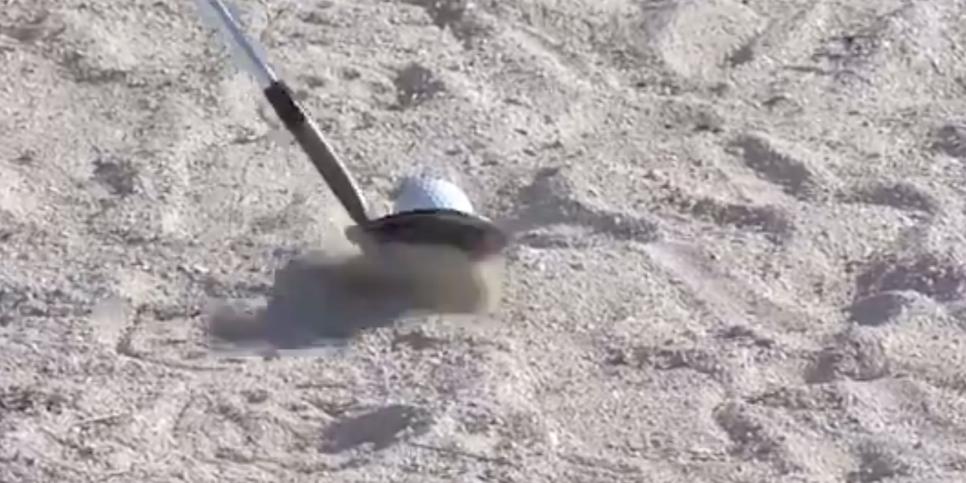
2019 Hero Challenge: Building Sand Castles Golf Digest (golfdigest.com)
Another episode occurred at the 2019 Hero Challenge, when Reed prepared to hit his third shot from a waste area on the par-5 11th hole. Sand was piled behind his ball, so he placed his wedge behind it and took a couple of “practice” back swings, sweeping the sand away to allow a nice clean strike. This time he was hit with a 2-stroke penalty, because it was simply too flagrant and observed by thousands watching the telecast.
Brooks Koepka: “…there’s no room for intentional rule breaking…Yeah. I don’t know what he was doing, building sand castles in the sand. But you know where your club is.”
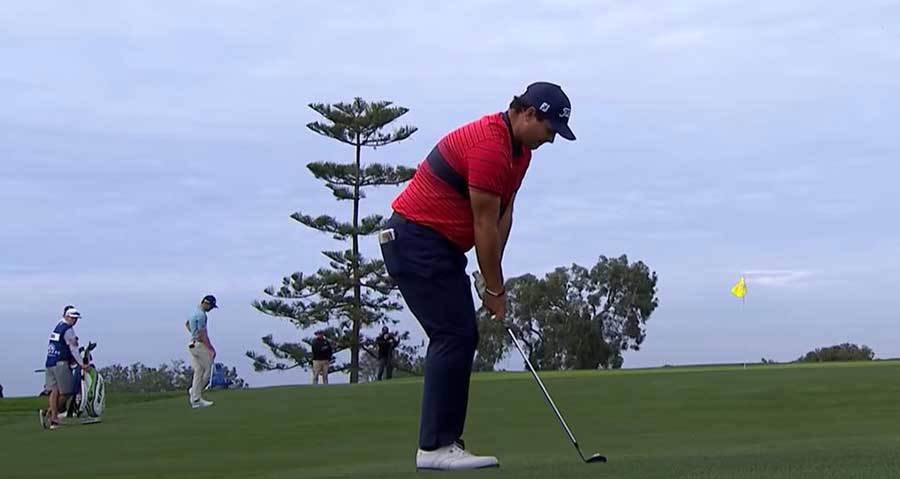
The most recent blow-up came during the 2021 Farmers Insurance Open at Torrey Pines, when Reed hooked his approach well left into thick, damp rough. After seeing his ball sitting well down in the grass with little chance of getting his third shot anywhere near the pin, he asked a near-by volunteer if the ball had bounced before coming to rest. When told it had flown directly into the grass without a bounce, making it possible for the ball to be embedded (which would justify relief), he quickly scooped it up and began probing with his finger—determining that it “broke ground” and was therefore entitled to a free drop. He then called for an official to examine the area where he had been probing, and received a favorable ruling. The problem is that television coverage clearly showed that the ball took a low trajectory bounce forward before coming to rest, making the chance that the ball would then “embed” in the ground extremely remote. In light of his prior infractions, more than a few eyebrows were raised.
Xander Schauffele: “Obviously, the talk amongst the boys isn’t great, but he’s protected by the Tour and that’s all that matters, I guess.”
Reed then threw Rory McIlroy under the bus, claiming he had done exactly the same thing. Indeed, Rory had taken embedded ball relief on a shot that bounced before coming to rest. The difference was that Rory’s ball had also been stepped on by a volunteer while he was trying to locate it—and of course, there has never been a question about McIlroy’s integrity.
Reed’s tremendous talent and laser focused desire to win have always been unquestioned, as illustrated by the success he’s had at every level of golf—but his tendency for rubbing people the wrong way, combined with an abrasive public persona, have fueled his “bad guy” image. Patrick was born in San Antonio, TX and his family moved to Baton Rouge, LA when he was in his mid-teens. His record as a Junior was outstanding, leading his high school golf team to state championships in 2006 and 2007, and he reached the semi-final of the US Amateur in 2008. After High School Patrick opted to play his college golf at The University of Georgia, where his current public persona began to take shape. Confidence is a critical element for success, and Reed possessed it in abundance. His supreme confidence, however, soon morphed into what might be called “disagreeable arrogance,” impacting team chemistry. Following an alcohol related incident that would not typically result in dismissal, Reed was dropped from the program while still in his freshman year.
Jason Payne (Georgia Golf Coach): “While getting to know Patrick through the recruiting process as a coach, a few character issues came to light, that we as coaches thought we could help Patrick with,” he said. “Once Patrick was on campus for a few months, it became clear that Patrick was not going to mesh with the make-up of the team at that time, and he was dismissed from the team.”
Reed promptly transferred to Augusta University, where he led the Jaguars to consecutive NCAA Division I golf titles (2010 and 2011), while going undefeated in match play (6-0). The second championship, ironically, came when the Jaguars bested Georgia in the final, with Reed defeating Harris English in the deciding match. The win over English, who also went on to a successful PGA Tour career, burnished Reed’s reputation as a hard-nosed competitor—but his image among peers remained less than stellar.
Kevin Kisner:“They all hate him—any guys that were on the team with him hate him and that’s the same way at Augusta…. I don’t know that they’d piss on him if he was on fire, to tell you the truth.”
Following the second NCAA championship in 2011, Reed turned pro, earning exempt status on the PGA tour by 2013. Throughout his career, Patrick has recorded 9 Tour wins, including a major championship (2018 Masters) and 43 Top-10’s. He has also been outstanding at the Ryder Cup and Presidents Cup, with a combined record of 11 wins, 6 losses and 4 ties (particularly when he defeated Rory McIlroy in 2016, one of the greatest matches in Ryder Cup history).
His successes, however, have been accompanied by statements and episodes that made Reed less than appealing in the public eye, beginning in 2014 when he declared himself to be one of the top 5 players in world after winning his 3rd tournament at 23 years old (he was No. 44 in the World Golf Rankings at the time, although the win moved him up to No. 20). At Bay Hill in 2018 an official refused to grant him relief when his ball landed in a bush, at which point he turned to the gallery and said “I guess my name needs to be Jordan Spieth.”
As P.T. Barnum said, “there is no such thing as bad publicity,” so Patrick Reed and LIV may well be a match made in heaven.
Brooks Koepka Joins LIV
LIV Update
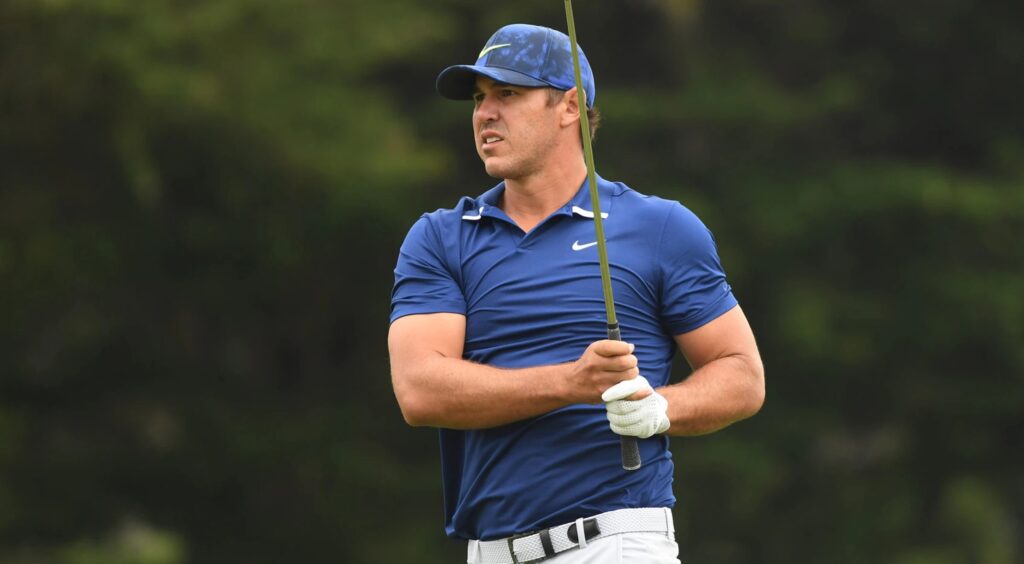
Brooks Koepka and Abraham Ancer have become the latest PGA Tour players to announce their intention to join LIV Golf. Following a dismal finish at the U.S. Open, in the midst of a disappointing season in which he’s recorded only 2 Top-10’s and missed the cut in 6 of the 15 events played, Brooks’ departure does not come as a complete shock. Koepka has always focused primarily on the major championships, and with 4 major wins at 32 years of age, still has the opportunity to add to his record and etch his name among the greats of the game. While the USGA allowed LIV members to compete at the U.S Open, and the R&A has announced that they will be allowed to compete at the Open Championship in July, the position of the powers that be at Augusta National and the PGA of America are less than clear with regard to the 2023 Masters and PGA Championship. Should joining LIV prevent him from participating in 2 of the 4 majors going forward, Brooks may have deep regrets over his decision to take the money.
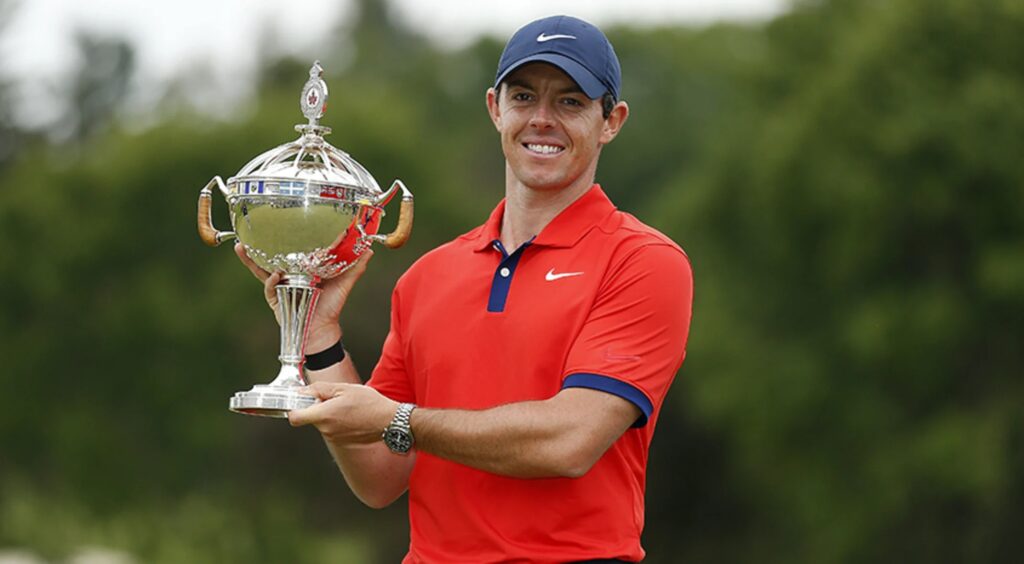
With his impressive performance at the Canadian Open, it appears that Rory McIlroy is firing on all cylinders in pursuit of his fifth major championship heading into the U.S. Open. Unlike the PGA Championship where he opened with a magnificent 65 and then glided through the second and third rounds with 71 and 74 before finishing with a solid 68 (8th place), Rory kept his foot firmly on the gas from beginning to end last week, with rounds of 66, 68, and 65 before closing with a sizzling 62 (19 under total). Justin Thomas, brimming with confidence in the wake of his second major championship victory at the PGA, refused to make it easy for Rory in the final round, however. Thomas began the day 2 shots back of Rory at 9 under, and after reeling off six straight birdies from 6 through 11 and adding another at 14, he got to 17 under—within a shot of Rory’s lead. When McIlroy fanned his tee shot into the bunker on the par 3 16th and made bogey, they were tied going to the last two holes—and Rory had a downcast look about him as he left the green that’s been all too common in recent years.
By the time he reached the 17th tee Rory had gathered himself and, deciding to let the big dog eat, unleashed a 367-yard bomb that left only a wedge from 127 yards. He then stiffed his approach to 2 feet, and tapped in for birdie. When Thomas faltered with a bogey, Rory carried a 2-shot lead going to the last. At 18 he ripped another 300+ yard drive to the right fairway, once again stiffing his approach (4 feet this time), and tapped in for birdie and his second consecutive Canadian Open Championship.
When Rory kicks it up a notch in the face of a full-on stress test applied by the reigning PGA Champ, it should give the field at The Country Club something to ponder and have golf fans chomping at the bit.
Scottie Scheffler, Justin Thomas and John Rahm
The Contenders
Rory certainly looks to be in full control of his game, and it will be shocking if he is not among the leaders come Sunday. He will have a monumental task ahead though, because the field for the 2022 U.S. Open may be the deepest ever assembled for a golf championship. In addition to the red-hot Thomas, Scottie Scheffler, reigning Masters Champion, is at the top of his game as well—and no doubt casting a keen eye toward backing up his win at Augusta with another major championship. The most dangerous player in the field, however, may be Jon Rham. The career numbers Rham has put up on the PGA Tour thus far are eye-popping, and he is past due for his second major. In 120 starts, Jon has finished in the Top 10 an astounding 49% of the time—the highest of any player in the field. In addition, he’s made the cut in 90% of the events he’s entered—so he’s rarely off his game.
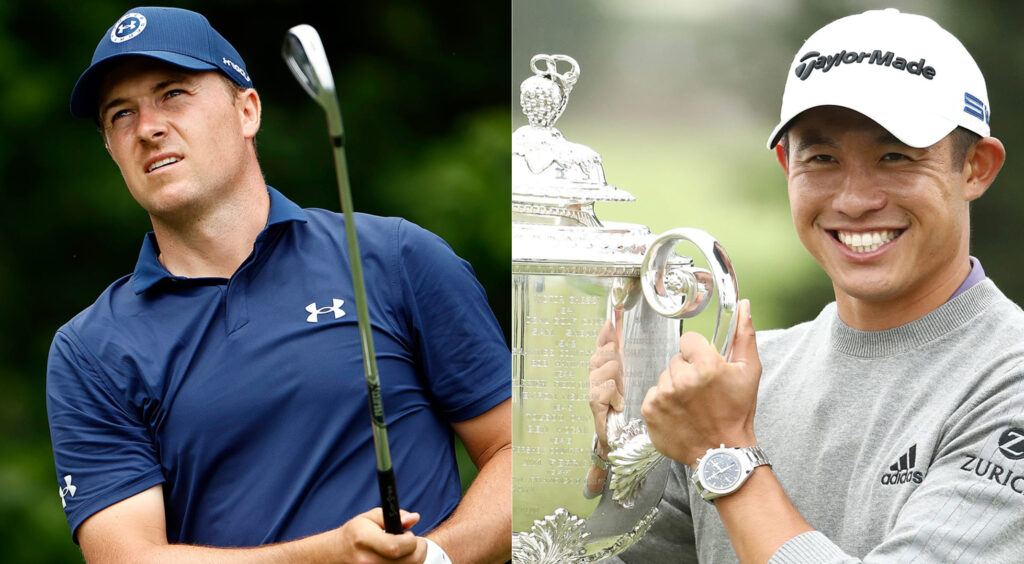
Although Jordan Spieth missed the cut at The Masters, he’s recorded a Top 10 in 3 of his last 5 starts, including a win at The Heritage, a runner-up at the Byron Nelson, and a T7 at the Charles Schwab Challenge. With 3 major championships on his resume, Jordan knows how to close under pressure—and his putter is second to none. Although Collin Morikawa has been treading water while making cuts since his strong finish at the Masters (5th), his driving accuracy and precision iron play is exactly what the USGA looks for in an Open Champ.
Jordan Spieth and Collin Morikawa
Based on his dismal season thus far, one might assume that Brooks Koepka will be lacking confidence when he tees it up at the 2022 U.S. Open today. Don’t count on it. After missing the cut as an amateur back in 2012, Koepka, has played the Open 7 times—recording 2 wins (back-to-back in 2017 and 2018), a runner up (2019), 2 T4’s (2014 and 2021) as well as a T13 in 2016 and a T18 in 2015. Koepka lives for major championship golf, and a win this week would go a long way toward healing the pain of yet another injury-plagued season. Perhaps, Tiger-like, he’ll summon a great performance with sheer will and fortitude.
Based on his uninspired performance at the LIV event in London, and with money no longer an incentive, it will be interesting to see what Dustin Johnson brings to the table at the Open. With so few opportunities to achieve anything meaningful in golf going forward, perhaps Dustin will make a statement. It would seem unlikely, but the talent is still there.
Young Guns: Sungjae Im, Joaquin Niemann and Victor Hoveland
The 2022 U.S. Open will also feature a host of mega-talented young stars on the verge of breaking loose at a major—and you can be assured a few will appear on the leaderboard as the championship rolls into the weekend. Will Zalatoris has already recorded 4 Top-10 finishes at major championships in only his second season on Tour, and 24-year-old Victor Hoveland has recorded 3 Tour wins while making the cut in 58 of the 64 events he’s played (91%). Sungjae Im, also 24 years old, has recorded 23 Tour Top-10’s, including 2 wins and a T8 at Augusta in April. Joaquin Niemann, 23 years old, has racked up 21 Top-10’s including 2 wins, and 25-year-old Sam Burns has already notched 4 wins on Tour (3 wins in 2022).
With McIlroy, Thomas, and Scheffler at the top of their game, and so many bright young stars who are poised to burst through at a major, this U.S. Open promises to be memorable indeed—and we are in for a spectacular weekend of golf.
It is hard to see “LIV Golf” (Greg Norman’s Saudi-backed series of golf tournaments) posing much of a threat to the PGA Tour over the long term. At some point it will likely go the way of the USFL and the Canadian Football League, but for right now Dustin Johnson and Phil Mickelson have hit the jackpot. That’s not to say that there isn’t plenty of room in the marketplace for an alternative golf experience, and perhaps Greg Norman’s brainchild is just the ticket for engaging broader appeal. The field for the first event this weekend in London is a bit thin though, so the individual stroke-play portion of the format is not likely to generate much excitement–unless a handicap system is implemented to give the field a fighting chance against DJ.
The “team” element, on the other hand, may provide a dynamic and emotional outlet not generally found at PGA Tour events—with the exception of the Phoenix Open of course. Fans only have a chance to let their hair down and root for a “team” once a year at the Ryder Cup or Presidents Cup. 12 teams will be competing at each LIV tournament, and each have a team name, logo and color scheme—with DJ’s team announced as the “4 Aces” and Phil’s squad the “High Flyers.” Perhaps “The Gunslingers” might have been a better choice for DJ as he sidles’ up to the first tee (complete with cowboy hat), and “Dark Thrill” for Phil’s squad, now that he’s been cast in the bad guy role (their team color could be all black—which Phil often wears anyway). And when Ricky Fowler finally makes up his mind to jump, perhaps his team can be called the “Biker Boys.”
Phil Makes it Official
Keep in mind that professional sport is essentially entertainment, and contemporary golf fans comprise a diverse cross-section of society, not just the high-brow country club set who expect serious golf in deadpan silence with a smattering of polite applause.
The Venues
The LIV Invitational Series will consist of eight events, with the first being played at Centurion Club in the UK just outside of London. Five of next seven will be held in the United States (two being Donald Trump courses—Trump National Bedminster in NJ and Trump National Doral, FL). The other two will be at international venues—one of which being Royal Greens Golf & Country Club in Jedda, Saudi Arabia (no surprise) and the other Stonehill Golf Club in Bangkok, Thailand.
Centurion Club, UK
The Format
Each event will include a field of 48 players, with both an individual and a “team” component over 3 rounds totaling 54 holes and no cut. The total purse for each event will be $25 million, with $20 million divvied up among the field for the individual competition, and $5 million split between the top 3 finishers in the team competition. The individual component is straight forward, with the winner for each event determined by the lowest 54-hole score. Individual winners will also accumulate “ranking points,” and the player with the most points will be named the over-all individual champion after the first 7 events have been completed (the overall champion will take home an additional $18 million).
The team component is a little harder to follow. Each event will include twelve 4-man teams, comprised of a “Captain” (named by “LIV”) and 3 additional players who will be selected by the captain in a “draft” prior to each tournament. Team competition is also based on stroke play, and for the first two rounds the team score will be the total of the 2 team members carding the lowest scores, with the third-round team score being the total of the 3 team members carding the lowest scores. The team with the lowest aggregate score after 54 holes will be the winner. Once the first seven events have been completed, the teams will be “seeded” and the final event will be a match play tournament held over 4 days in October at Trump National Doral, FL—with no individual competition.
The structure for the match-play finale is a bit baffling, however. Since the fields will vary for each event, and captains will be named from players among the individual fields, it is unclear how the final 12 “captains” are to be determined for the Match Play tournament (perhaps they are permanent, and required to participate in all 7 events). It is also unclear how the composition of the teams themselves will be determined—since there will be a separate draft of players held prior to each regular event (so players may end up on different teams for each event—unless previously drafted players are permanent members of a particular team, with the draft only applying to new players being added when a team player isn’t participating in a particular event). The basis on which “seeding” will be determined for the Match Play finale is equally mysterious—but all will no doubt be revealed in good time.
Kevin Na
The Field
Dustin Johnson, Phil Mickelson, Louis Oosthuizen, Sergio Garcia, Lee Westwood and Kevin Na comprise the list of familiar names. DJ made the cut in 7 of the 10 tournaments he played this year on the PGA Tour, with 2 Top 10’s (his best being a 4th at the Match Play and a T9 at the Players). Phil hasn’t played since he missed the cut at the Farmers back in January, and Louie Oosthuizen hasn’t recorded a Top 10 since last season. Sergio has 1 Top 10 this year (a T7 at Mayakoba) and Lee Westwood missed the cut in 5 of the 9 events he’s played.
That leaves Kevin Na (9 of 12 cuts made on Tour this year with 2 Top 10’s) standing in Johnson’s path for the $4 million individual first place check. No wonder DJ had that Cheshire cat smile on his face at the LIV press conference.
The Motivation
Johnson is reported to have received a $125 million bonus for making the move, and based on the competition, he’ll very likely pocket a great deal more. At the LIV press conference, DJ stated “I don’t want to play for the rest of my life,” so it would seem he just can’t get by on the $74 million he’s already won on the PGA Tour. On the other hand, DJ may also have looked around at Scottie Scheffler, Justin Thomas, and a host of mega-talented young guns currently on Tour, and thought it was an opportune time to cash in his chips and slip out the door.
Phil received a signing bonus in the neighborhood of $200 million, and even though he’ll turn 52 in a couple of weeks, the light-weight fields without a cut will give him the opportunity to earn a great deal more. And since his skill with games of chance appears to be quite a few notches below his ability with a wedge, perhaps he simply needs the money.
DJ and Phil Hit The Jackpot
The Future
The second LIV event will be played June 30–July 2 at Pumpkin Ridge Golf Club, a great track in North Plains, OR designed by Bob Cupp and Andy Johnson. It’s been reported that Bryson DeChambeau and Patrick Reed will be joining the field, which should spice things up a bit. Chances are also pretty good that a few additional name players will announce their intention to jump over to LIV following the U.S. Open (and one of them is likely to be Ricky Fowler, who no longer enjoys exempt status on the PGA Tour).
When asked his reaction to LIV Golf at the Canadian Open press conference, Scottie Scheffler said “I haven’t really noticed anyone missing this week. Maybe outside of DJ.” Come on Scottie, you didn’t notice Kevin Na wasn’t around anymore?
The 2022 PGA Championship was one of the most exciting final rounds at a major we’ve seen in a long time. Justin Thomas, looking for his second major championship, roared up the leader board with 3 birdies on the closing nine holes to shoot a brilliant 67, tying Will Zalatoris at 5 under par to force a 3-hole playoff. The first playoff hole was the par 5 thirteenth, and after Zalatoris narrowly missed an eagle putt, Thomas calmly knocked in a six-footer for birdie to stay even. The second was the 302 yard seventeenth, and Thomas drove the green, making another birdie to take a one-shot lead going to final hole. With a beautiful tee shot and solid approach, he two-putted for par and the Wanamaker trophy as Zalatoris’ birdie effort failed to fall. With 5 birdies on the final 12 holes of a grueling test at Southern Hills, Justin Thomas earned his second major championship in classic style. And while Will Zalatoris came up just short, he maintained his composure and executed magnificently under stifling pressure down the stretch—so you can expect this 25-year-old to be a force at major championships for many years to come.
Another big story to emerge from the 2022 PGA Championship is Mito Pereira, the talented young South American player who led the championship through the first 3 rounds. A costly double bogie on the final hole denied him a chance to win, but the ball striking and putting stroke he demonstrated throughout the week opened everyone’s eyes—and you can be sure he’ll be lifting a championship trophy in the not very distant future.
Focus and Intensity
Justin Thomas
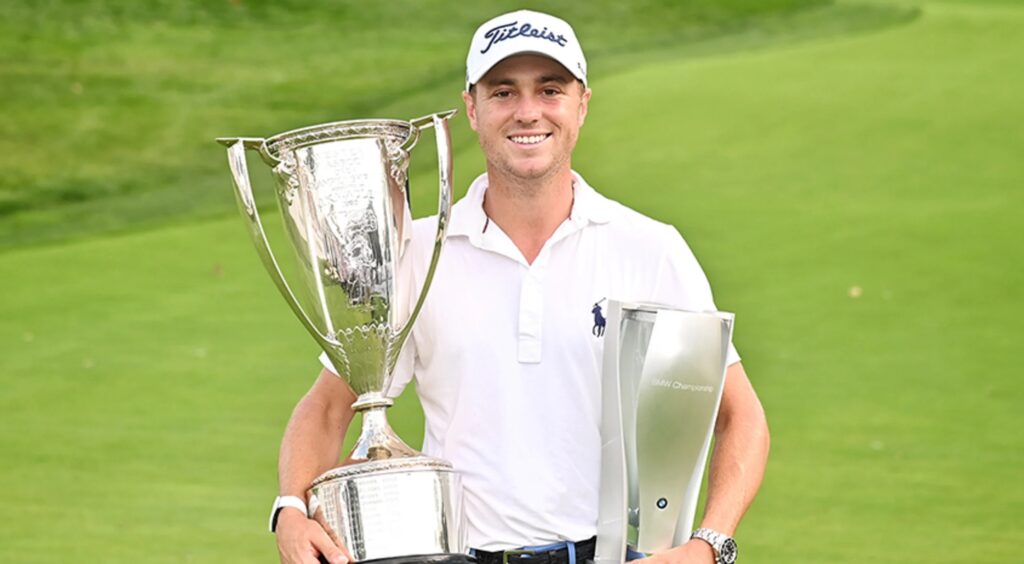
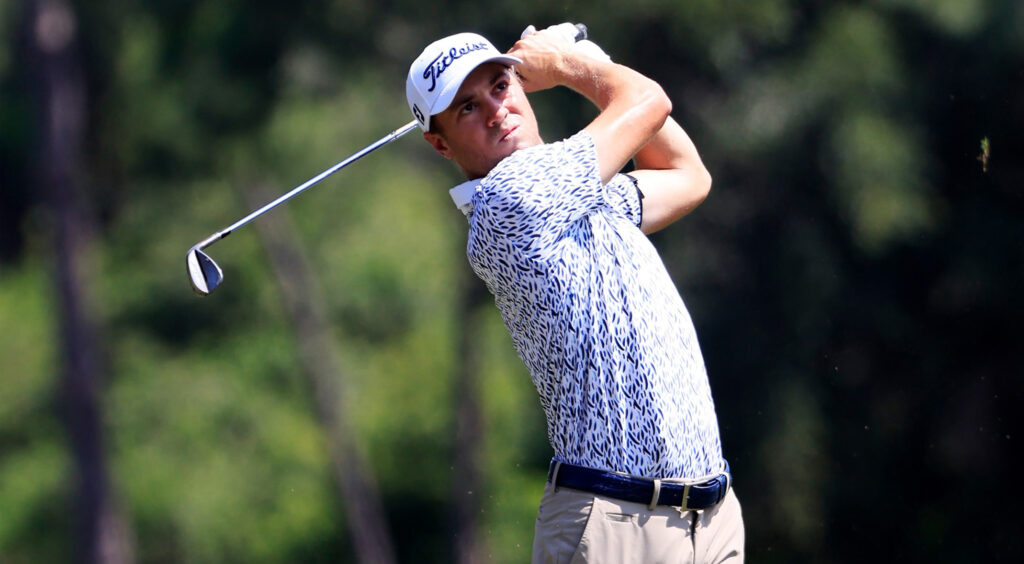
Justin’s victory at the PGA Championship comes on the heels of a solid performance at the Masters, where he finished in a tie for 8th. He has not missed a cut in any of the 13 events he’s played this season, while recording 8 Top-10 finishes. While everyone’s attention was drawn to the fabulous year Scottie Scheffler’s had, capped off by his win at The Masters, Thomas was quietly putting together one heck of a year as well—and then he brought out the megaphone at Southern Hills. With 15 wins including two major championships, Thomas is headed for the World Golf Hall of Fame—the only question is how far he can climb in the record books toward the all-time greats of the game. He is certainly poised for a monster year, particularly with his powerful showing at the first two majors. There is an abundance of young talent currently on tour who will stand in his way, so Thomas will need to maintain the Tiger-like drive and focus he displayed at the PGA Championship to muscle them aside. Justin only just turned 29, and the book won’t be closing any time soon—but his path for posting career numbers to rival Tiger and Jack will not get any easier. He delivered a powerful message to the young guns on Tour though—and it will be a lot of fun to see how they take it.
Will Zalatoris: Consummate Ball Striker
Will Zalatoris
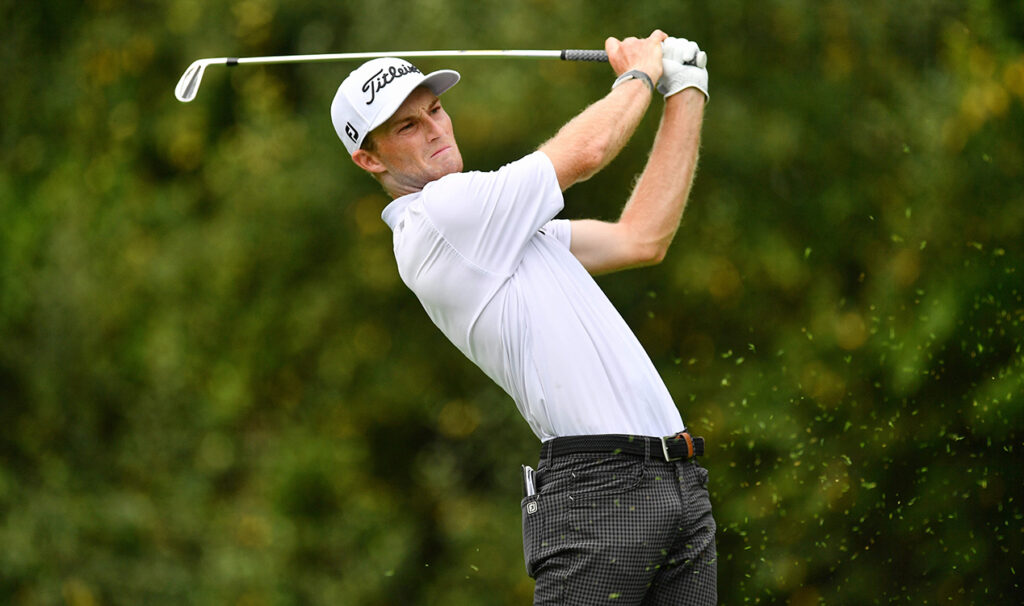
Will Zalatoris has not recorded a win on the PGA Tour yet, but it won’t be long—and once the dam breaks, watch out for the flood. Just a few months beyond his 25th birthday, this Dallas Texas native can flat out play. After making the cut in all 16 events he entered on the Korn Ferry Tour in 2020, with 10 Top-10’s including a win, Will earned his PGA Tour card and recorded a T6 in his first event—the 2020 U.S. Open played at Winged Foot in the Fall. In his first season on tour, Zalatoris made the cut in 21 of the events he played, including 8 Top-10’s. The big eye opener is his performance in major championships, where he has recoded 4 Top-10’s in the 9 majors he has played. Will has always been long off the tee, and one of the best ball strikers you’ll ever see (currently 14th in driving distance and 5th in greens in regulation), but the putter has always held him back (in 2020 he ranked 170th on tour in putting)—so he went to work on the practice green where the effort paid immediate dividends as he rolled his ball beautifully at Southern Hills. If Will’s putting continues to come around with the game he plays tee-to-green, it will be an explosive combination, and it should come as no surprised if he blows away the U.S Open field at The Country Club in June.
Mito Pereira: Big Things To Come
Mito Pereira
Virtually unknown in the U.S. prior to bursting onto the scene at Southern Hills, Pereira’s outstanding play came as no surprise to golf fans in his native Chile. After winning multiple junior titles, including a victory on the Chilean Professional Tour in 2013 as an Amateur, Mito climbed to number 5 in the official World Amateur Golf Rankings in 2015 at twenty years old. After some time on the Latinoamerica Tour, Pereira joined the Korn Ferry Tour in 2021, and recorded 9 Top-10’s, including 3 wins, earning his Tour card for the 2022 season. Thus far Mito has made the cut in 14 of the 19 events he has played, but showed signs that his game was heating up prior to the PGA with a T13 at the Valero Texas Open and a T17 at the Byron Nelson, where he opened with a 64 in the first round. Pareira currently ranks 4th on the PGA Tour in greens in regulation, but 143rd in putting—a pretty clear indicator of why he hadn’t had more success coming into the PGA. He certainly putted well at Southern Hills, particularly under pressure. With his ball striking ability and the experience gained by contending at a major championship on Sunday, look for Mito to begin appearing among the leaders at PGA events on a regular basis (along with his countryman, Joaquin Niemann, who is due to brake out at a major championship in the near future).